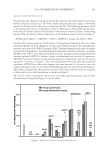
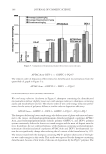
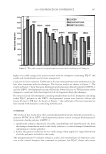
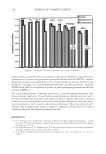
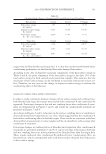
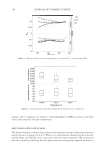
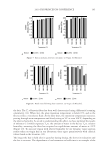
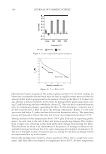
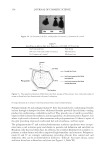
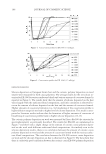
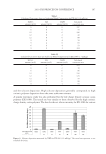
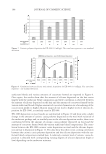
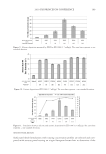
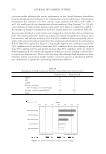
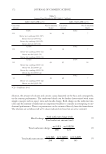
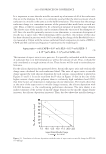
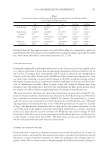
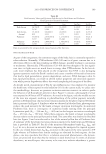
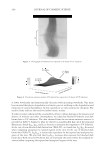
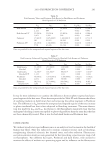
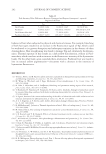
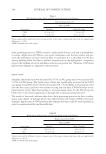
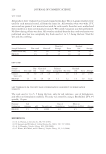
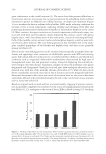
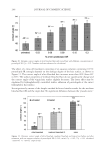
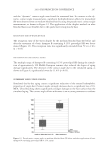
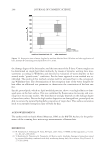
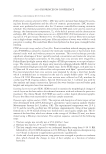
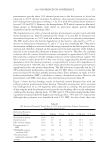
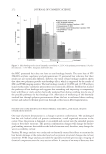
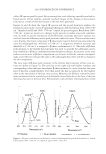
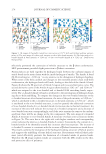
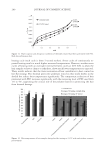
JOURNAL OF COSMETIC SCIENCE 206 Table II Break Stress of Hair before and after the Application of the Product User group Break stress of hair (MPa) Mean ± SEM* Baseline After 16 weeks CNO 198.70 ± 7.4a 201.4 ± 5.9a NU 20.20 ± 5.8a 182.00 ± 5.3b Values indicated by different letters in superscript in the same column and same row are signifi cantly different ( p 0.05). *SEM: Standard error of the mean. daily grooming practices. CNO is mostly a triglyceride of lauric acid and is hydrophobic in nature. Application of CNO as a pre-wash conditioner coats the hair surface and pre- vents the penetration of water into hair fi ber. A small part of it is absorbed into the hair during washing when the fi ber is swollen. Introduction of the hydrophobic component reduces the swelling of cuticle and hence reduction in protein loss. Therefore, CNO users had less hair damage as compared to the non-users. BREAK STRESS Similarly, the break stress was decreased by 9.55% in NU group and it was increased by 1.35% in CNO group. The break stress of hair was signifi cantly increased in the CNO user group versus NU after 16 weeks of treatment (P 0.05) (Table 2). Penetration of oil into the hair cuticle prevents water from entering into the fi ber. CNO also helps in the plasticization of hair fi ber thus leading to increased break stress. In the NU group the break stress is decreased suggesting its damage due to daily grooming practices. The results of the study indicates that due to daily grooming practices the hair is under- going some degree of damage which was refl ected from the values of HBI and tensile strength. Application of CNO prevents the damage and thus could be used regularly in order to maintain healthy and beautiful hair. Table I Hair Breakage Index before and after the Application of the Product User group Hair breakage index (%) Mean ± SEM* Baseline After 16 weeks CNO 12.23 ± 1.13a 7.12 ± 1.26b NU 9.25 ± 0.92a 10.13 ± 1.63a Values indicated by different letters in superscript in the same column and same row are signifi cantly different ( p 0.05). *SEM: Standard error of the mean.

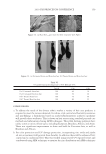
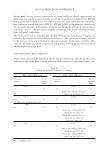
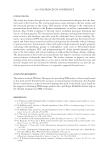
2010 TRI/PRINCETON CONFERENCE 207 CONCLUSIONS HBI can be used as a tool for assessment of hair damage. • It offers a fast and reliable non destructive option against the normal destructive • methods for assessment of hair damage. The advantage of this method over the other hair damage assessment techniques is that • it can performed directly on human volunteers and is helpful in evaluating the effi cacy of the product in clinical trials. REFERENCES (1) J. A. Swift, Fundamentals of Hair Science (Micelle Press, Weymouth, Dorset, England, 1997). (2) C. R. Robbins, Chemical and Physical Behavior of Human Hair (Springer Verlag, New York, 1994). (3) M. L. Tate, Y. K. Kamath, S. B. Ruetsch, and H. D. Weigmann, Quantifi cation and prevention of hair damage, J. Soc. Cosmet. Chem., 44, 347–371 (1993).
Purchased for the exclusive use of nofirst nolast (unknown)
From: SCC Media Library & Resource Center (library.scconline.org)