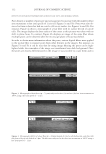
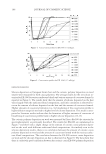
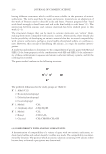
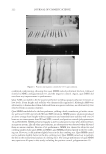
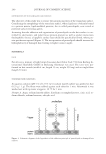
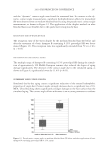
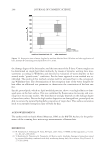
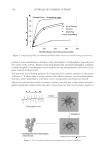
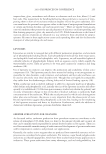
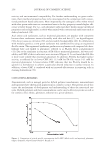
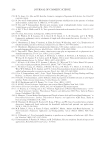
JOURNAL OF COSMETIC SCIENCE 204 are time consuming and are performed in vitro. In the present study, the extent of hair damage was determined by a cross-sectional trichometer which allowed a quick and non invasive assessment of hair and is time saving. The cross-sectional trichometer is a new device that enables the measurement of hair loss and hair growth, or simply measures the quantity of hair that is present in a particular area of scalp. It works on the principle that there is a change in hair diameter in the se- lected area of scalp due to breakage by different practices like washing and combing. These grooming practices damage more to the distal portion of the hair strand as com- pared to the proximal end of hair. Therefore, the diameter in the distal end will be lower as compared to the proximal end. This difference is represented by HBI which is mea- sured as follows HBI = (distal cross-sectional area / proximal cross-sectional area) × 100 In the present investigation, the HBI was used as an alternative tool to determine the extent of protection offered by the application of CNO versus the NU group. Increase in HBI value is an indicator of hair damage. Two groups of female volunteers in the age group of 20-30 years (30 each) were included in the study. One group received daily ap- plication of CNO for 16 weeks and the other group did not receive any oil application. The subjects continued with their normal hair maintenance regimen of shampooing and combing their hair during the study period. The subjects assigned to the coconut hair oil group used the oil before shampooing as a pre-wash conditioner. The effectiveness of this method was evaluated by comparing the HBI values with the changes in tensile parameters and a correlation between these two techniques was drawn. MATERIALS AND METHODS STUDY DESIGN Sixty volunteers (female) in the age group of 20-30 years were included in this study. These were subjects who did not use hair oil but used a shampoo for cleansing hair. They also did not use any other conditioners or styling products. These subjects were divided into two groups of 30 each. One group applied coconut oil daily while the other group did not apply any product. The primary assessments included measurement of HBI at the baseline and after 16 weeks of treatment. Few hair fi bers were collected during each visit to determine the break stress of hair. DETERMINATION OF HBI HBI was measured using a hair check instrument, which is a mechanical device that pre- cisely measures the cross-sectional area of a bundle of hair on the scalp. During this study, the HBI of a specifi c area of the scalp was determined using a marking template in order to measure the HBI of same area after treatment. Initially, the hair fi bers around the marking template were separated carefully and then the measurement was taken 1 cm

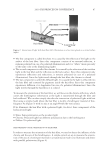
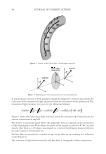
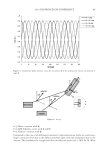
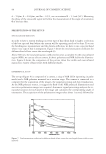
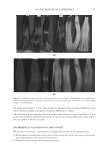
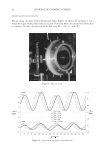
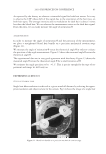
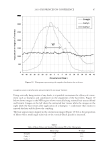
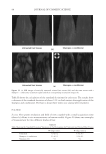
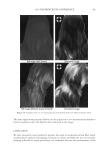
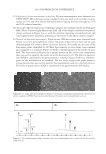
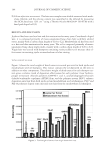
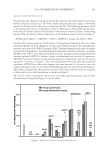
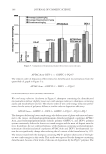
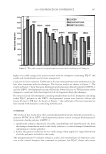
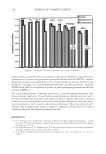
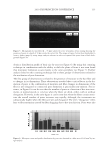
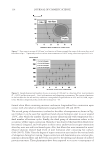
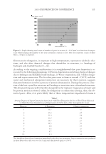
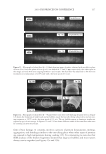
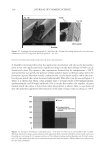
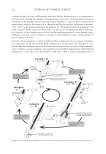
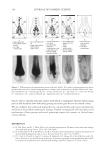
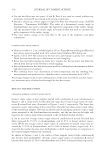
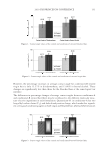
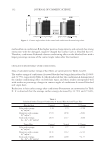
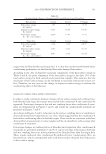
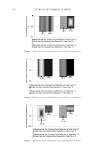
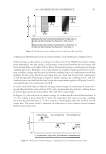
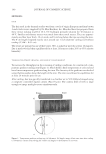
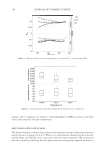
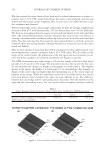
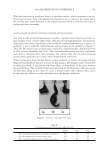
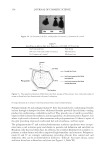
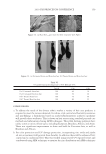
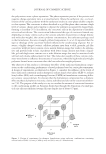
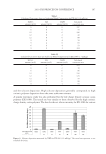
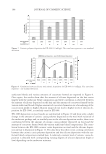
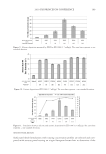
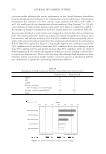
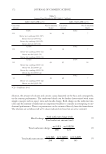
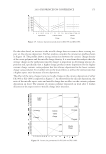
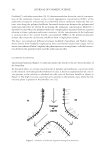
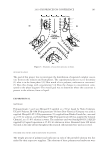
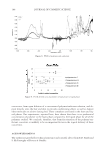
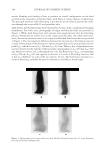
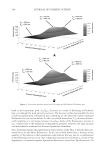
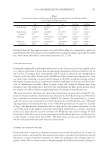
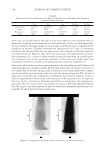
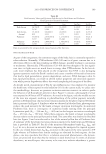
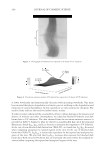
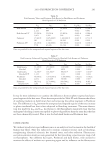
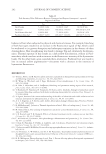
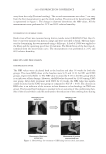
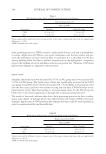
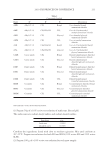
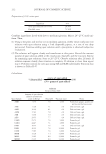
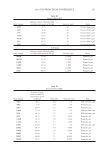
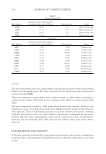
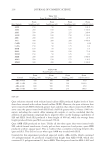
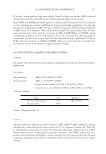
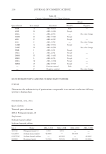
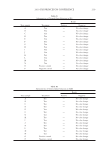
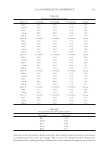
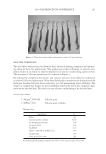
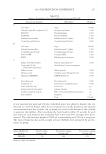
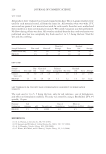
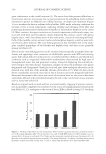
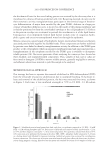
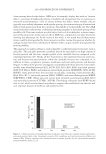
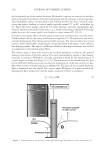
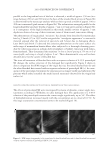
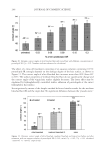
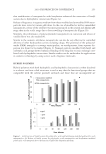
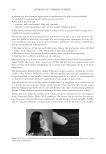
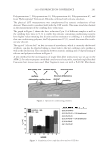
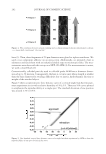
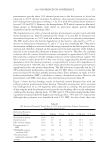
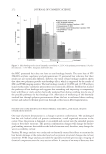
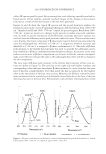
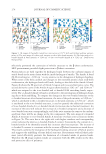
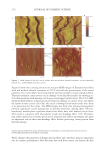
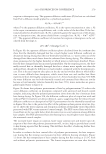
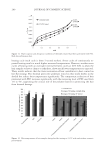
2010 TRI/PRINCETON CONFERENCE 205 away from the scalp (Proximal reading). The second measurement was taken 7 cm away from the fi rst measurement to get the distal reading. The protocol for determining HBI is represented in Figure 1. The change in diameter determines the HBI values. All the measurements were performed at 21°C and 60% relative humidity. DETERMINATION OF BREAK STRESS Break stress of hair was measured using Instron tensile tester (URM/LRX Plus). Hair fi - bers (3 cm) were mounted on Instron crimps and were stretched to break. The hair diam- eter for determining the was measured using a folliscope. A load of 100N was applied to the fi bers and the operating speed was 10 mm/min. The Break Stress of the hair was de- termined from the stress-strain curve. The measurements were performed at 21°C and 60% relative humidity. RESULTS AND DISCUSSION HAIR BREAKAGE INDEX The HBI values were calculated both at the baseline and after 16 weeks for both the groups. The mean HBI values at the baseline were 9.25 and 12.23 for NU and CNO groups, respectively (Table 1). The HBI value increased by 9.5% in the NU group which is an indicator of hair damage. However, the HBI value decreased by 41.8% among CNO user group. After daily treatment with CNO for 16 weeks, the HBI value was signifi - cantly decreased in the CNO user group as compared to NU (P 0.05). The decrease in HBI value is an indicator of the increase in hair diameter or less breakage in CNO user group. The lowered hair breakage is assumed to be an outcome of the conditioning ben- efi ts of the oil and which could be attributed to the reduction of the combing force during Figure 1. Methodology for assessment of HBI using the hair check instrument.
Purchased for the exclusive use of nofirst nolast (unknown)
From: SCC Media Library & Resource Center (library.scconline.org)