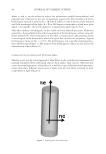
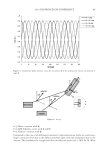
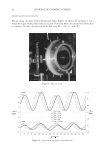
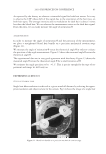
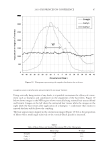
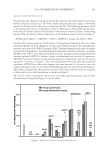
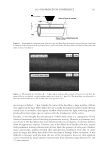
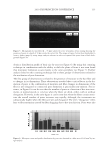
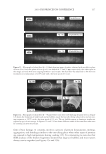
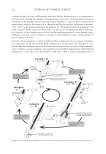
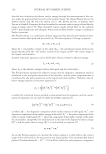
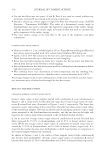
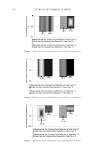
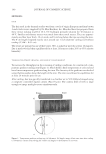
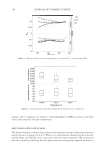
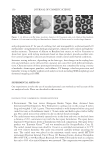
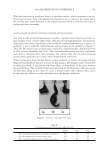
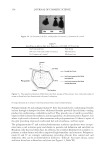
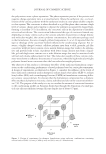
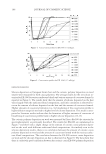
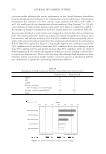
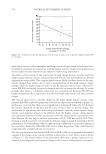
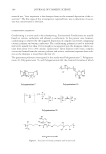
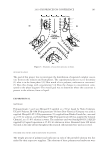
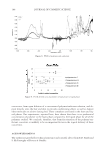
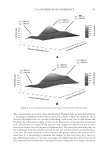
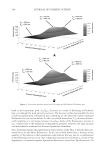
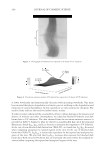
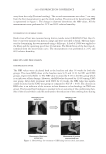
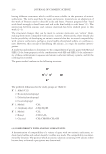
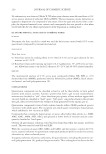
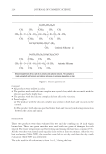
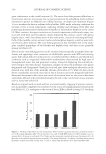
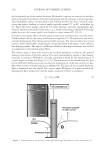
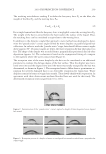
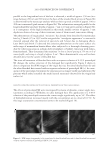
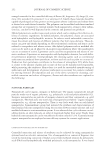
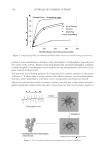
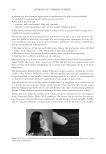
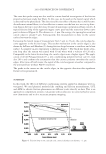
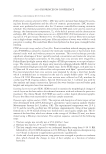
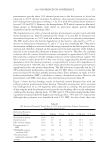
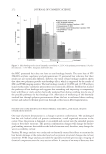
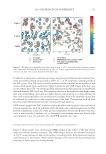
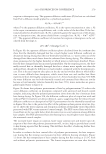
JOURNAL OF COSMETIC SCIENCE 238 the hydrophobicity of the surface decreases. Hydrophilic regions are induced on the fi ber surface through the oxidation of the lipid end groups and the exposure of protein patches. Thus hydrophilic effects increase along a hair towards the fi ber tip due to removal of lip- ids on the surface, leading to contact angles typically around 70° or 80° at the fi ber tip (9). These effects are mainly caused by UV light exposure, intensive shampooing, me- chanical abrasion and chemical processes, e.g., oxidative bleaching. Oxidative bleaching might decrease the contact angles even further to values around 40° (10,11). In order to investigate effects of daily aging on hair more systematically a recently estab- lished multiple day-by-day stress simulation was applied (12). This automatic test device includes shampooing, blow drying and sun light exposure. The test procedure was carried out by a robot, which offers a high degree of reproducibility with respect to the induced hair damage profi les. The impact of different oxidative bleaching treatments was studied in comparison to the natural aging effects. The contact angle of hair with water is an excellent parameter to indicate the general damage constitution of the hair surface. It is easily measurable by means of the dynamic principle according to Wilhelmy, a broadly published method for the determination of contact angle on single hair fi bers (9–11,13). Determination of the wettablility of a hair by the Wilhelmy balance principle involves the measurement of the vertical force on hair fi ber when contact with the liquid is established (9). The forces F are recorded while the fi ber is immersed into the liquid. The contact angle Θ (Figure 1) is now accessible by knowing the fi ber perimeter L and the surface tension γ of water according to LV F Lcos4 Z J (1) Figure 1. Determination of the dynamic contact angle Θ of single hair fi bers in contact with water (13).

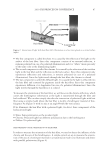
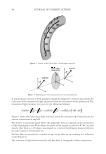
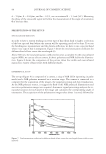
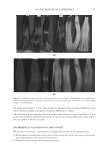
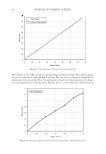
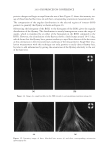
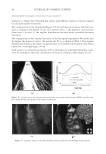
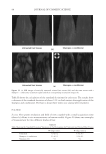
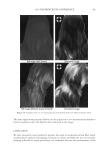
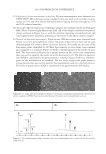
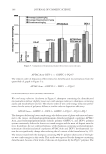
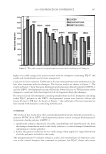
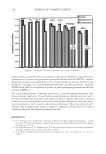
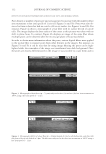
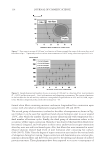
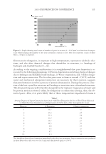
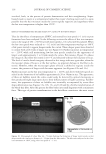
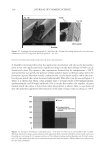
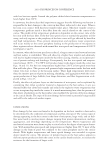
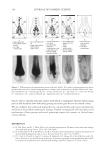
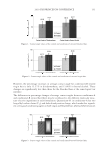
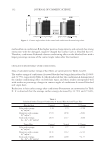
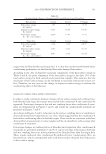
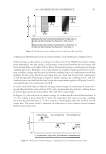
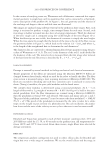
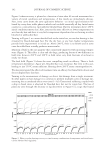
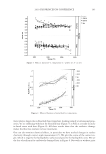
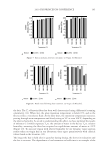
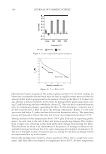
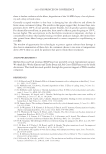
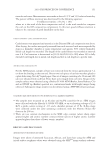
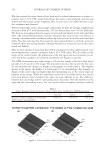
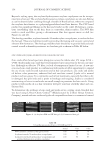
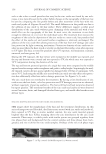
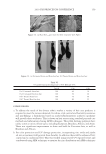
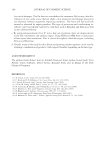
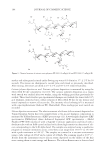
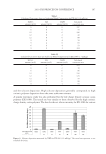
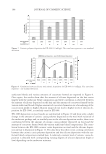
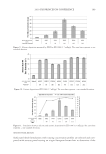
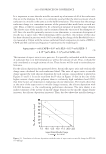
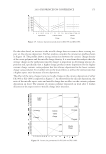
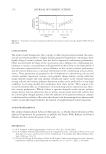
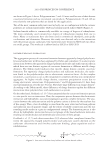
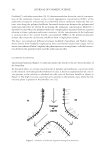
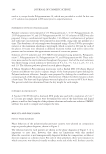
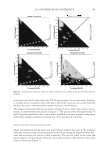
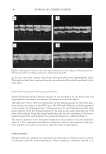
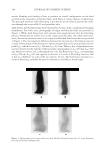
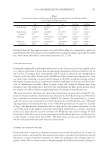
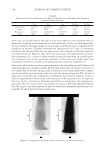
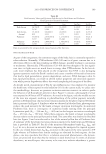
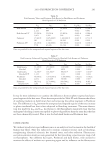
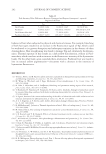
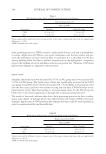
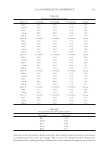
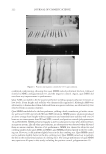
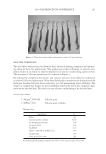
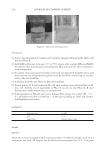
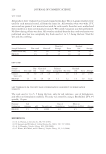
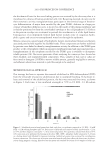
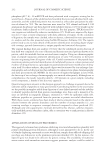
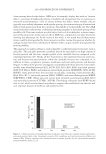
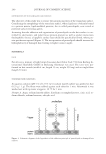
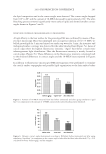
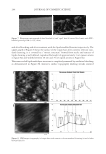
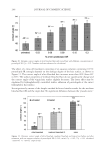
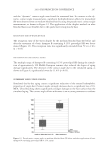
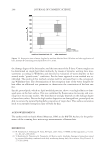
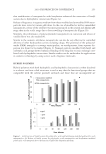
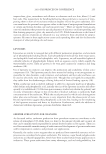
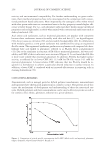
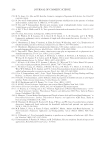
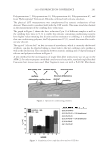
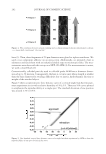
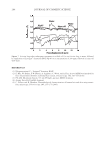
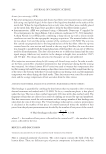
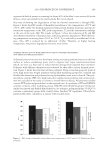
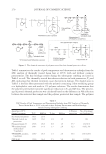
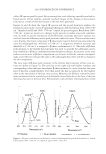
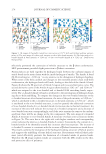
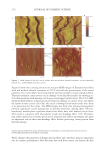
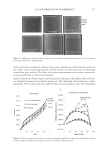
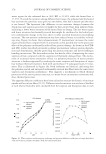
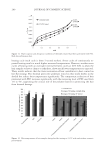
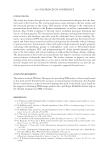
2010 TRI/PRINCETON CONFERENCE 239 The resulting microbalance reading F includes the buoyancy force Fb on the fi ber, the weight of the fi ber Fg, and the wetting force Fω: ω b g F F F F (2) For a single human hair fi ber the buoyancy force is negligible versus the wetting force Fω. The weight of the hair is zeroed before the hair touches the surface of the liquid. Thus, the resulting force can be considered as equivalent to the wetting force. In addition to the dynamic single fi ber approach a new method was developed to deter- mine the "pseudo static" contact angle formed by water droplets on parallel aligned hair collectives. In order to reach the "pseudo-static" stage, hair should deliver contact angles above approx. 80°. If contact angles are lower, the water resorption by hair takes place too fast. The shape of the droplet was recorded from a perpendicular positioned directly after deposition (approx. 1s). The evaluation is based on the asymptotical fi tting of a tangent to the segment where the water contacts hair (Figure 2). The resorption time of the water droplet by the hair can be considered as an additional parameter to evaluate the damage degree of the hair surface. Thus the droplet was moni- tored over time and the elapsed time until the water was totally resorped by the hair was determined, as shown in Figure 3. The resorption kinetic differs from a spontaneous re- sorption for severely damaged hair to no detectable resorption for virgin hair. Water droplets remain for hours on virgin hair strands. They slowly shrink with evaporation. In agreement with these observations medium bleached hair was used for this study. The determined resorption times ranged from 10 to 100 s. Figure 2. Determination of the “pseudo-static” contact angle of a droplet of water deposited on an aligned hair strand. Figure 3. Resorption process of a droplet of water on an aligned hair strand recorded from a perpendicular camera angle.
Purchased for the exclusive use of nofirst nolast (unknown)
From: SCC Media Library & Resource Center (library.scconline.org)