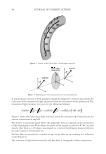
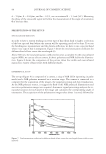
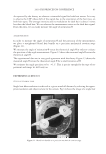
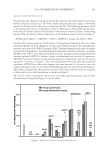
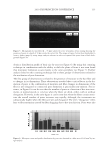
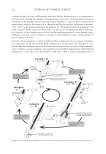
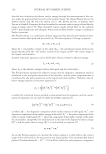
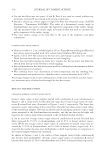
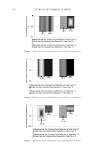
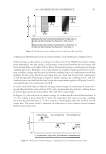
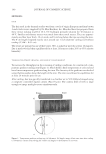
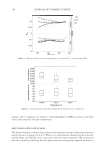
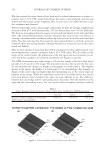
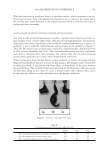
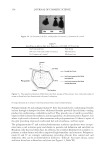
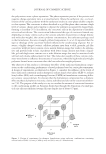
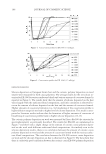
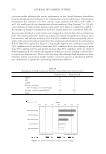
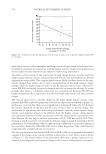
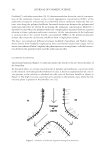
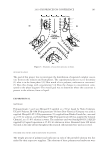
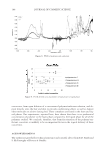
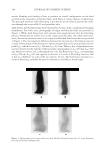
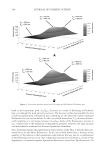
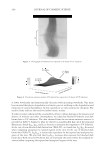
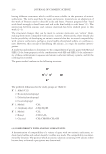
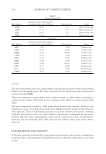
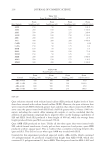
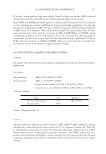
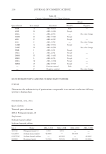
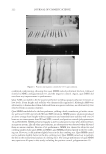
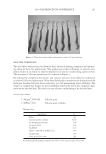
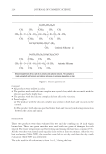
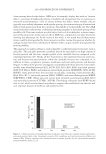
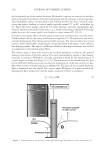
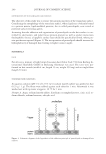
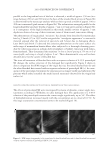
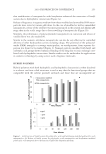
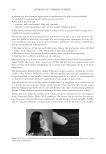
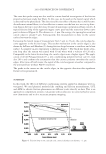
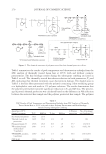
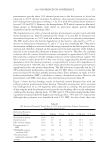
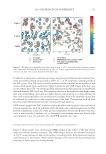
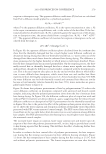
JOURNAL OF COSMETIC SCIENCE 240 RESTORATION OF THE DAMAGED HAIR SURFACE The objective of this study was to restore the natural properties of the virgin hair surface. Considering the morphology of the outer hair surface, where lipids are covalently bound to a protein matrix, lipid-modifi ed proteins, the so called proteolipids, were tested as potential surface restoring agents. Assuming that the adhesion and organization of proteolipids on the hair surface is con- trolled by electrostatic and polar forces (protein-protein) as well as apolar interactions (hydrophobic forces), a lipophilic surface layer should be specifi cally formed, where pro- tein patches are exposed (Figure 4). The incorporation of proteolipids should increase the hydrophobicity of damaged hair, leading to higher contact angles. MATERIALS HAIR For all tests a mixture of light brown Caucasian hair (Color Code 7/0) from Kerling In- ternational Haarfabrik GmbH in Backnang (Germany) was used. The tests were per- formed on hair strands (width 4 cm, length 13 cm, weight 250 mg) and on single fi bers (length 30 mm). STANDARD HAIR CLEANSING An aqueous solution (pH 5.5) of 12.5% (w/v) sodium laureth sulfate was applied on hair (0.25 g / 1 g). The fi bers were rubbed against each other for 1 min. Afterwards it was washed out with tap water at approx. 30 °C for 1 min. Shampoo A. Aqua, sodium laureth sulfate, disodium cocoamphodiacetate, citric acid, so- dium chloride, sodium benzoate, salicylic acid. Figure 4. Schematic diagram of the hypothesis of the adhesion principle of proteolipids on damaged hair surfaces.

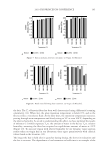
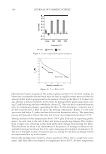
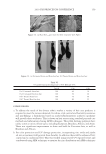
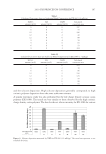
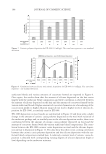
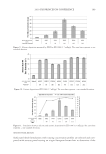
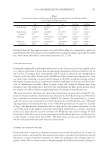
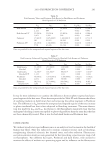
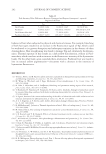
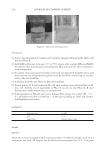
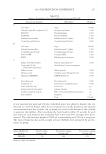
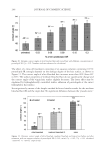
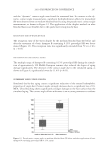
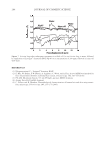
2010 TRI/PRINCETON CONFERENCE 241 Shampoo B. Aqua, sodium laureth sulfate, disodium cocoamphodiacetate, citric acid, so- dium chloride, sodium benzoate, proteolipid SR, salicylic acid. Proteolipid SR. All investigations were performed with proteolipid CR which consists of an alkyl chain derived from coco palm oil (C8–C18), a hydrolyzed protein present in wool keratin and a quaternized adapter group (cocodimonium hydroxypropyl hydrolyzed ker- atin). Proteolipid SR is water soluble. METHODS MULTIPLE DAILY STRESS SIMULATION The stress simulation, consisting of shampooing, drying and sun exposure, was automatically run by the RV E2 robot from Mitsubishi Electric Corporation, Tokyo (Japan). Firstly all hair samples were immersed into 160 ml of a solution of shampoo A for 3 min at a temperature of 38°C. Afterwards the hair samples were removed from the vessel and rinsed with 20 liter tap water at a temperature of 38°C for 2 min and dried with an air heater (LE 10000S, Leister Process Technologies, Kaegiswil, Switzerland) at 80 °C for 30 min. Sun exposure was simu- lated for 60 min at 764 W with an ATLAS Suntest (CPS+, Chicago, USA). The time for one cycle was approx. 2.5 h. Fifty cycles in total are run automatically within 5 days (12). ULTRA BLEACHING Hair strands were treated for 45 min with a mixture of 6% hydrogen peroxide (Hyprox 500®, Evonik) and 3% potassium persulfate (KPS-5®, Evonik) at pH 10. This mixture was spread by using a brush and washed out with tap water at approx. 30 °C for 3 min. MEDIUM BLEACHING (I) Hair strands were treated for 50 min with 7% hydrogen peroxide (Hyprox 500®, Evonik) at pH 8.8. This mixture was spread by using a brush and washed out with tap water at approx. 30 °C for 3 min. MEDIUM BLEACHING (II) Hair strands were treated for 25 min with 3% hydrogen peroxide (Hyprox 500®, Evonik) at pH 9.5. This mixture was spread by using a brush and washed out with tap water at approx. 30 °C for 3 min. QUANTIFICATION OF COVALENTLY BOUND LIPIDS The hair samples were subjected to a 16 h extraction chloroform/methanol azeotrope in a Soxhlet apparatus. Alkaline catalyzed total hydrolysis of the hair material was performed with 2M alcoholic potassium hydroxide solution and the lipids were recovered by repeated
Purchased for the exclusive use of nofirst nolast (unknown)
From: SCC Media Library & Resource Center (library.scconline.org)