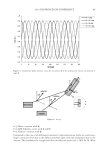
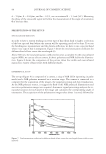
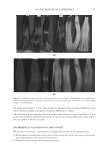
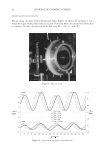
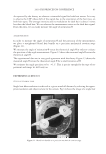
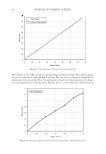
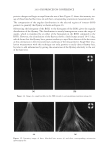
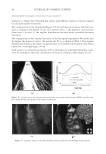
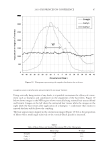
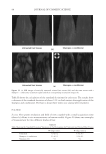
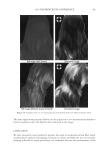
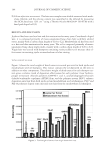
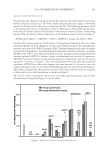
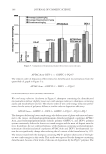
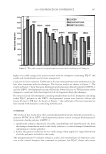
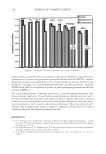
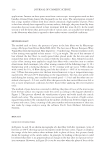
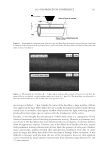
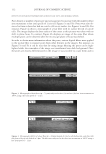
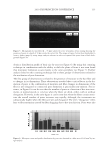
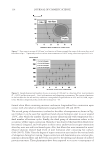
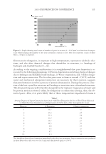
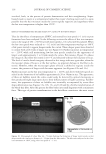
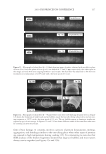
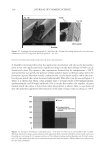
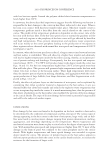
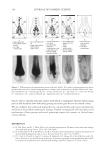
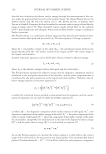
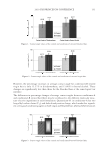
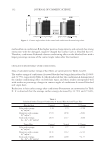
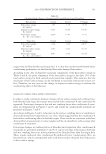
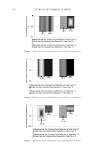
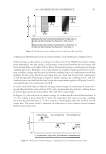
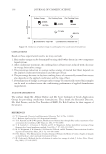
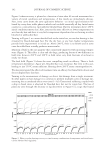
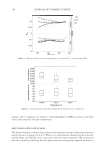
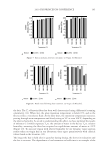
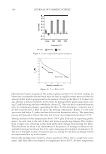
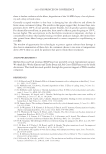
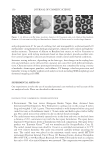
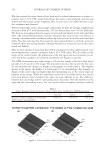
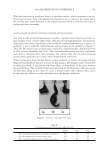
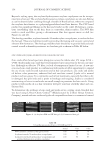
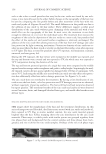
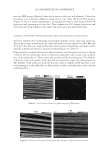
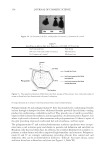
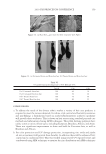
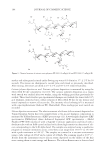
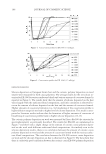
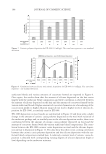
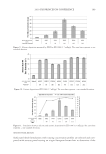
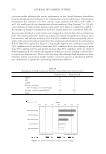
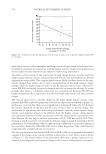
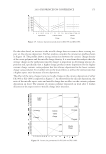
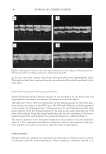
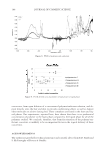
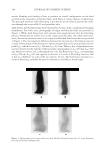
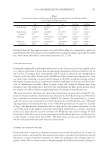
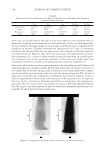
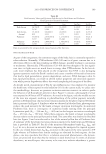
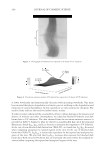
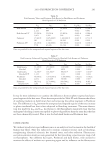
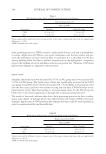
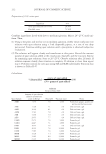
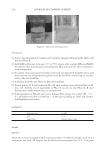
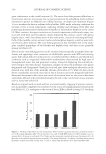
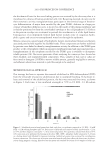
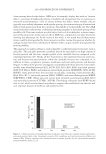
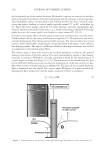
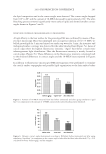
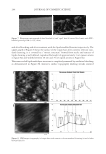
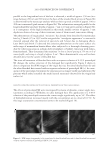
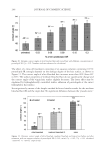
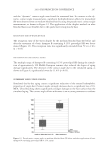
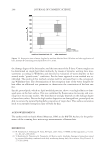
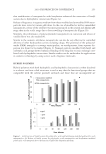
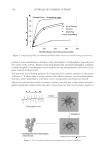
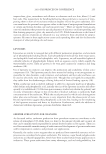
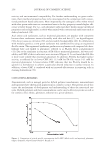
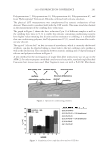
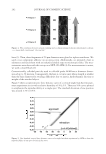
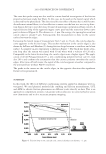
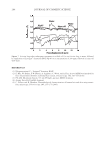
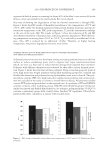
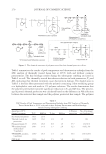
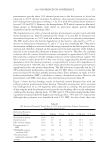
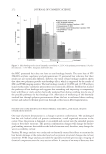
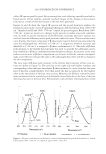
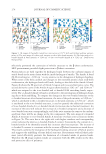
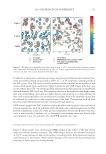
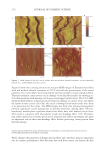
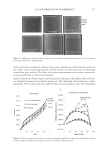
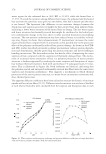
JOURNAL OF COSMETIC SCIENCE 248 Figure 13. Resorption time of water droplets by medium bleached hair (II) before and after application of basic shampoo B containing proteolipid SR (0.15%, m/m). the damage degree of the hair surface and the intactness of the F-layer. Contact angles can be determined on single hair fi bers indirectly by means of dynamic wetting force mea- surements according to Wilhelmy and directly by evaluation of water droplets on hair strands under “pseudo-static” conditions. For the latter approach a new method was es- tablished. The results of this method correlate well for untreated hair to the correspond- ing Wilhelmy-data. The determination of the resorption time of the water droplets by hair offers an additional test parameter to characterize the constitution of the hair sur- face. Specifi c proteolipids, which are lipid modifi ed proteins, show a very high affi nity to dam- aged areas on the hair surface. This was confi rmed by fl uorescence microscopy and scan- ning force microscopy studies. The distribution strongly depends on the damage degree of outer hair surface. Due to the high surface deposition on damaged hair, proteolipids are able to restore the natural hydrophobic properties of virgin hair. This surface restoration leads to an extended resorption time of water by hair. ACKNOWLEDGMENTS The authors wish to thank Ahmed Mourran, DWI an der RWTH Aachen, for the perfor- mance of the scanning force microscopy measurements of human hair. REFERENCES (1) H. Tanamachi, S. Tokunaga, N. Tanji, M. Oguri, and S. Inoue, 18-MEA and hair appearance, J. Cosmet. Sci., 61, 147–160 (2010). (2) Y. Masukawa, H. Tsujimura, H. Tanamachi, H. Marita, and G. Imokawa, Damage to human hair caused by repeated bleaching combined with daily weathering during daily life activities, Exog Dermatol, 3, 273–281 (2004).

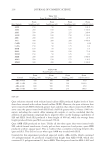
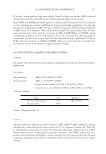
2010 TRI/PRINCETON CONFERENCE 249 (3) C. M. Carr, I. H. Leaver, and A. E. Hughes, Photoelectron spectroscopy and the surface chemistry of wool, Text. Res. J., 56, 457 (1986). (4) A. Körner and G. Wortmann, Isolation of 18-MEA containing proteolipids from wool fi bre cuticle, Proceedings 11th Int. Wool Textile Res. Conf., Leeds (UK), September 4–9, 2005. (5) A. P Negri, H.J Cornell, and D.E. Rivett, A model for the surface of keratin fi bres, Text. Res. J., 63, 109–115 (1993). (6) L. N. Jones and D. E. Rivett, The role of 18-methyleicosanoic acid in the structure and formation of mammalian hair fi bres, Micron, 28(6), 469–485 (1997). (7) J. A. Swift and J. R. Smith, Microcopical investigation on the epicuticle of mammalian keratin fi bres, J. Microscopy, 204, 203–211 (2001). (8) R. A. Lodge and B. Bushan, Wetting properties of human hair by means of dynamic contact angle measurements, J. Appl. Polym. Sci., 102, 5255–5265 (2006). (9) Y. K. Kamath, C. J. Dansizer, and H.-D. Weigmann, Wettability of keratin fi ber surfaces, J. Soc. Cosmet. Chem., 28, 273–284 (1977). (10) R. Molina, F. Comelles, M. R. Julia, and P. Erra, Chemical modifi cations on human hair studied by means of contact angle determination, J. Colloid Interface Sci., 237, 40–46 (2001). ( 11) E. Schulze zur Wiesche, Specifi c characterization of the human hair surface and infl uences of cosmetic relevant agents, PhD Thesis, Rheinisch-Westfälische Technische Hochschule, Aachen, Germany, 1998. (12) E. Schulze zur Wiesche, T. Gassenmeier, D. Fischer, E. Poppe, P. Somfl eth, K. Schäfer, and A. Körner, Specifi c repair of aging hair keratin, IFSCC Magazine, 11(4), 317–320 (2008). (13) F. J. Wortmann, G. Wortmann, and E. Schulze zur Wiesche, Spatial probing of the properties of the human hair surface using Wilhelmy force profi les, Langmuir, 26(10), 7365–7369 (2010). (14) E. S. Cooperman and V. L. Johnsen, Penetration of protein hydrolysates into human hair strands, Cosmet. Perfumery, 88, 19–22 (1973). (15) R. T. Jones and S. P. Chahal, The use of radio labeling techniques to measure substantivity to, and pen- etration into, hair of protein hydrolysates, Int. J. Cosmet. Sci., 19, 215–226 (1997). (16) S. N Magonov, V. Elings, and M.-H. Whangbo, Phase imaging and stiffness in tapping mode atomic force microscopy, Surf. Sci. Lett., 375, 385 (1997). (17) J. R. Smith, Use of atomic force microscopy for high-resolution non-invasive structural studies of human hair, J. Soc. Cosmet. Chem., 48, 199–208 (1997).
Purchased for the exclusive use of nofirst nolast (unknown)
From: SCC Media Library & Resource Center (library.scconline.org)