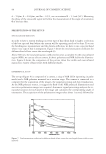
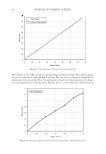
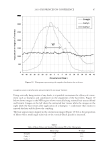
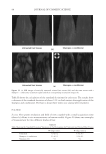
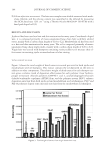
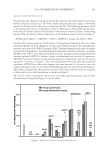
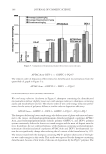
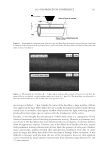
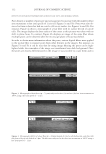
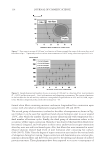
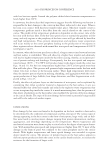
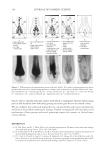
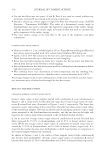
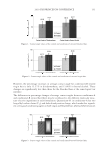
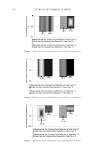
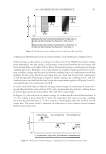
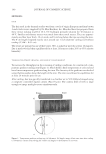
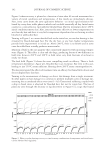
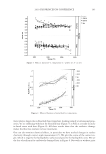
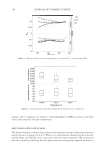
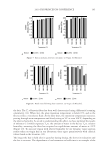
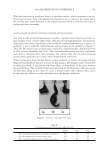
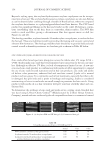
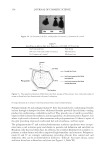
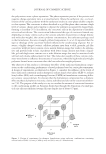
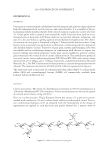
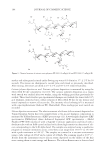
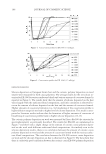
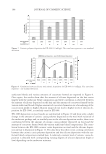
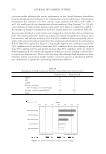
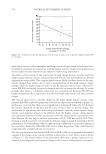
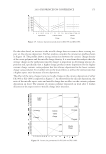
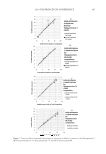
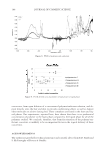
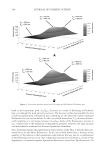
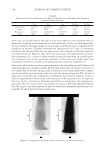
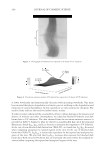
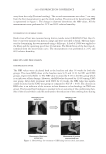
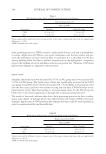
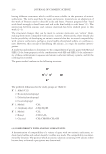
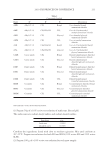
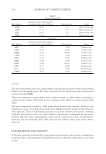
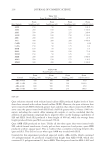
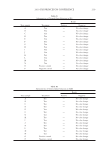
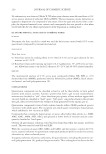
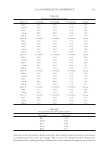
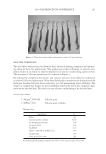
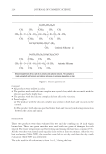
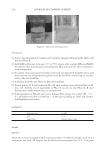
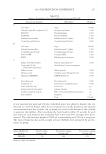
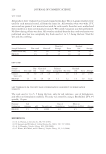
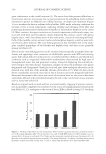
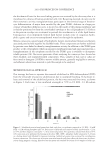
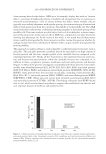
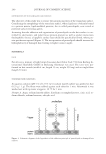
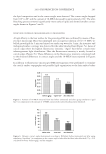
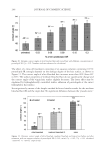
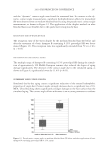
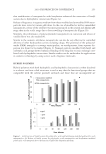
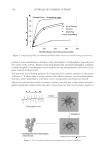
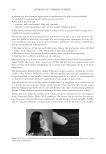
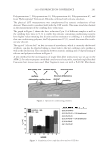
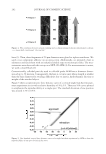
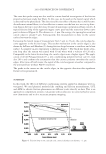
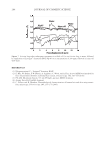
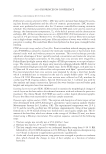
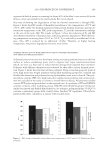
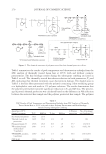
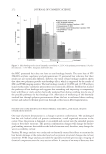
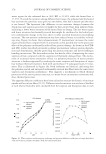
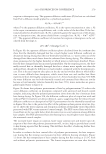
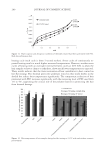
JOURNAL OF COSMETIC SCIENCE 246 The effect of a rinse-off treatment consisting of an aqueous solution containing 0.15% proteolipid SR strongly depends on the damage degree of the hair surface, as shown in Figure 11. The contact angle of ultra bleached hair increases more than 40% (from 48° to 69°). The surface properties of medium bleached hair do not signifi cantly change and the contact angle of the virgin hair surface slightly decreases. The latter effect may be explained by hydrophobically controlled surface adhesion of proteolipids at the intact hydrophobic hair surface. Investigations by means of the droplet method delivered similar results for the medium bleached hair (II) and the virgin hair. No signifi cant difference between the “pseudo-static” Figure 10. Dynamic contact angles of ultra bleached hair and treated hair with different concentrations of proteolipid SR (*p 0.05. Numbers indicate references for calculation). Figure 11. Dynamic contact angle of ultra bleached, medium bleached and virgin hair before and after treatment with an aqueous solution of proteolipid SR (0.15%, m/m) (*p 0.05 **p 0.01 calculated “untreated” vs. “treated,” respectively).

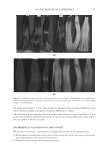
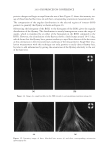
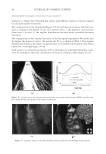
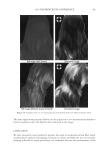
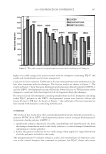
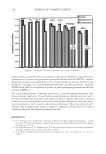
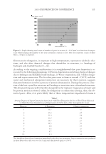
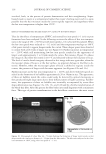
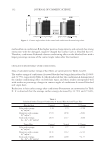
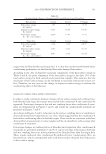
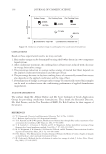
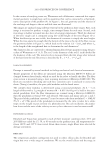
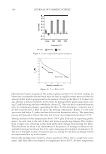
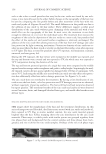
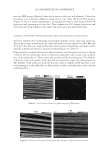
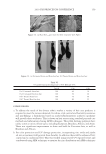
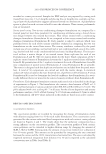
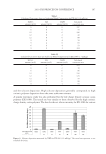
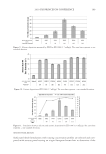
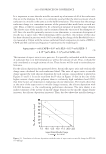
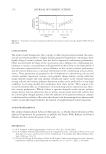
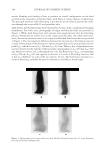
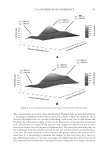
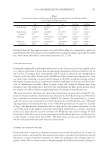
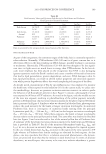
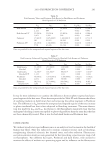
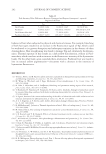
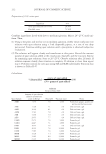
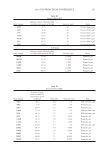
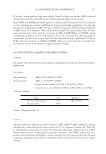
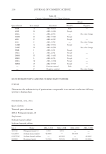
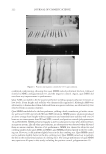
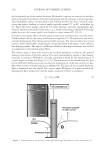
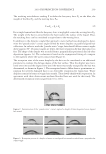
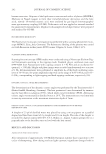
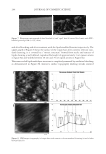
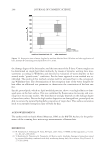
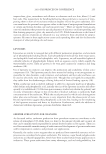
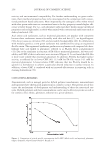
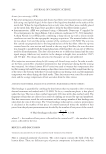
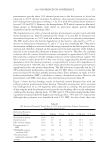
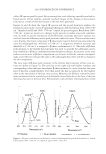
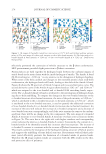
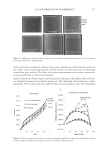
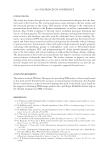
2010 TRI/PRINCETON CONFERENCE 247 and the “dynamic” contact angle were found for untreated hair. In contrast to the dy- namic contact angle measurements, signifi cant hydrophobization effects for proteolipid SR were observed even on medium bleached hair by using the pseudo-static contact angle measurement, as shown in Figure 12. The application of the droplet method on ultra bleached hair is not feasible due to the quick water resorption by hair. RESORPTION TIME OF WATER BY HAIR The resorption time of the water droplet by the medium bleached hair (II) before and after the treatment of a basic shampoo B containing 0.15% proteolipid SR was deter- mined (Figure 13). The resorption time was signifi cantly extended from 79 s to 140 s (p 0.05). PREVENTION OF HAIR SURFACE AGING The multiple usage of shampoo B containing 0.15% proteolipid SR during the simula- tion of approximately 100 Middle European summer days reduced the degree of aging damage signifi cantly. The decrease of the contact angle due to the simulated aging, as shown in Figure 6, signifi cantly lowers by 11.4% (p0.05). SUMMARY AND CONCLUSIONS Simulated day-by-day aging causes a signifi cant reduction of the natural hydrophobic properties of virgin hair. Contact angles strongly decrease due to a signifi cant loss of 18- MEA. Ultra bleaching shows signifi cantly stronger damage on the hair surface than the simulated aging. The contact angle of hair with water is an accurate parameter to evaluate Figure 12. Pseudo-static contact angle on medium bleached hair (II) before and after application of basic shampoo B containing proteolipid SR (0.15%, m/m).
Purchased for the exclusive use of nofirst nolast (unknown)
From: SCC Media Library & Resource Center (library.scconline.org)