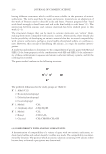
JOURNAL OF COSMETIC SCIENCE 252 nanogel materials for the controlled delivery of fl avors (8), fragrances (4), drugs (9), vita- mins (10), steroids (10), proteins (11), or enzymes (12). Ideally these materials should be capable of prolonged activity, protect actives against adverse conditions and release them at desired site with desired stimulus. The polymers can be modifi ed with functionalized groups that are responsive to external stimuli. Such nanoparticles, owing to their submi- cron size, can also be well dispersed in the cosmetic and personal care products Hybrid polymers are another nano-sized system which can be employed for effective de- livery of cosmetic ingredients. In hybrid polymers, the polymeric chains are associated with hydrophobic and hydrophilic moieties. In order to avoid unfavorable contacts be- tween the solvent and moieties of different polarity, they form nano-domains. These do- mains can grow and shrink depending on the enviromental conditions and hence can be utilized to encapsulate and release actives. Also hybrid polymers such as modifi ed sili- cones can be used as an oil phase for oil-in-water nanoemulsions where the nanodroplets can act as carriers of actives. Liposomes can be used for encapsulation and release of cos- metic attributes. Liposomes are nanocapsules with hydrophobic domains, but with differ- ent permeation properties. Correspondingly the cleansing agents such as conventional surfactants are produced from petroleum, or from seed oils such as palm or coconut oil. Production from petroleum contributes to the release of atmospheric CO2 while there is a limit to the amount of palm and coconut oil that can be manufactured responsibly, while preserving the rainforest. Hence there is a need for sustainable manufacturing of surfactants and development of greener surfactants is necessary for cosmetic industry for moving forward. Developement and use of the above systems for cleansing, con- trolled extraction and release of fragrance, fl avors and other attributes are explored in the following: NANOGEL PARTICLES Nanoparticles can be organic, inorganic or hybrid type. The organic nanoparticles include particles made out of organic polymers, e.g. poly(acrylic acid) and poly(acrylamide) (32). Inorganic nanoparticles are particles of inorganic elements and their compounds, e.g. gold nanoparticles. The third and a very novel class of nanoparticles are hybrid - organic/inorganic nanoparticles, e.g. silicone nanoparticles. There is very little work done on such hybrid nanoparticles. Somasundaran’s group had initiated the synthesis and characterization of functionalized silicone nanoparticles using the reactions between amino silicones and acid modifi ed silicones in a microemulsion system. It was observed that cyclic silicones can sol- ubilize skatole, an odor molecule, an order of magnitude higher than water. Clearly these hybrid silicone nanoparticles can be very effective for odor control (13,14). Currently mostly organic nanoparticles are employed as nano-delivery systems for cosmetic applications. EXTRACTION AND RELEASE OF ATTRIBUTES Controlled extraction and release of attributes can be achieved by using nanoparticles systems based on selective interaction. Use of nanoparticles as carriers of fragrance was tested by monitoring extraction of linalyl acetate from methanol solution by poly(acrylic acid) (PAA) and hydrophobically modifi ed poly(acrylic acid) nanoparticles. It was found

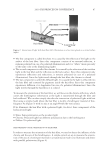
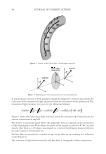
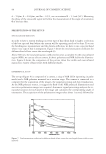
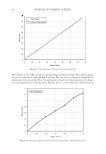
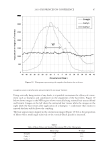
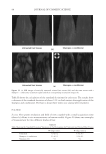
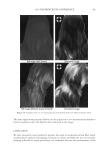
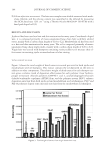
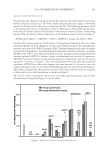
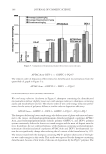
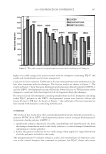
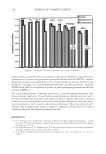
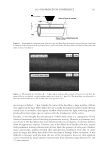
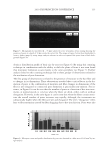
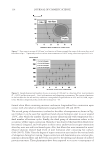
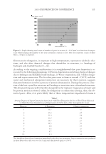
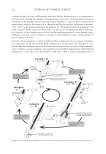
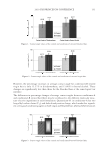
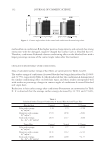
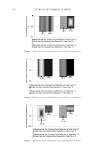
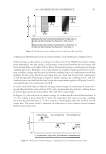
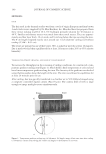
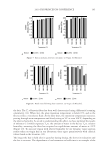
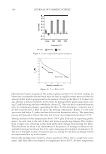
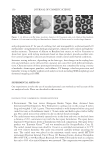
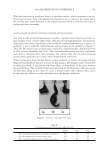
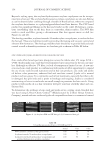
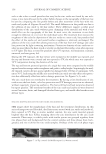
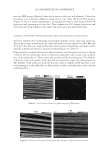
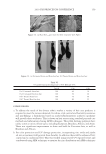
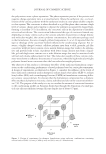
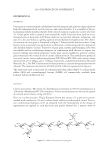
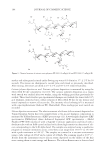
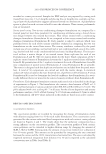
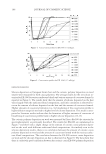
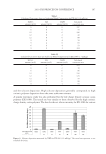
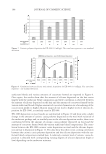
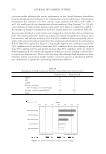
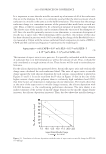
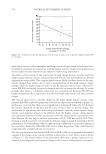
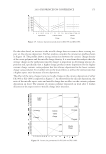
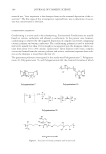
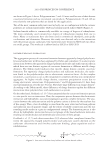
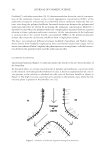
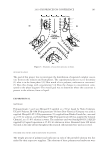
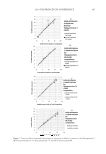
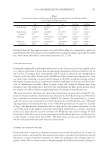
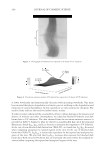
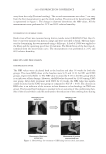
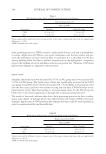
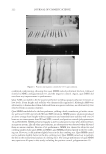
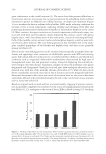
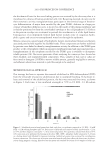
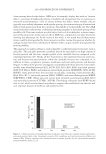
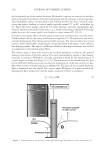
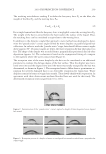
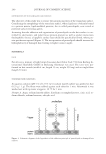
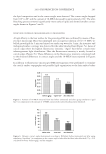
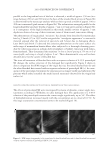
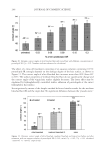
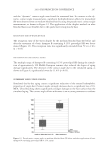
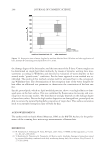
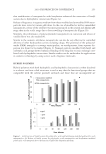
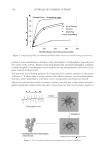
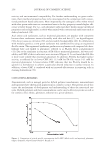
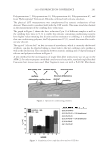
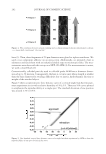
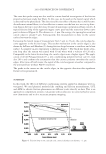
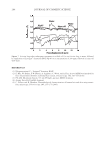
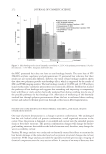
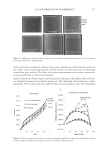
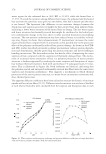
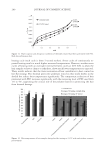
2010 TRI/PRINCETON CONFERENCE 253 that modifi cation of nanoparticles with hexylamine enhanced the extraction of linalyl acetate due to hydrophobic interactions (Figure 1a). Release of fragrances in aqueous medium from these modifi ed and unmodifi ed PAA nano- particles were tested at various pH values. In the case of modifi ed as well as unmodifi ed nanoparticles, release of the attribute was more pronounced in the neutral and alkaline pH range than in the acidic range due to better swelling of nanoparticles (Figure 1b). Similarly, the performance of poly(acrylamide) nanoparticles in extraction and release of vanillin fl avor was also studied (4). Similar to the cosmetic attributes, nanoparticles can also be very effective for controlled delivery of other hydrocarbon actives including drugs. The potential of the polyacryl- amide (PAM) nanogels to scavenge amitriptyline, an antidepressant, from aqueous dis- persion was found to be marked (Figure 2). Nanogel particles modifi ed with hexyl and carboxylic acid groups showed enhanced binding to the drug due to ionic exchange com- bined with hydrophobic interactions. Similar studies can be undertaken for applications in cosmetic technology by using actives such a fragrance molecules. HYBRID POLYMERS Hybrid polymers with both hydrophilic and hydrophobic characteristics when dissolved in a solvent can form coiled structures in such a way that the functional groups that are compatible with the solvent protrude outwards and those that are incompatible are Figure 1. (a) Extraction of linalyl acetate by poly(acrylic acid) and hexylamine modifi ed poly(acrylic acid) nanoparticles. (b) Release of linalyl acetate by poly(acrylic acid) nanoparticles and hexylamine modifi ed poly(acrylic acid) nanoparticles as the function of pH of the dispersion medium.
Purchased for the exclusive use of nofirst nolast (unknown)
From: SCC Media Library & Resource Center (library.scconline.org)