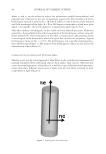
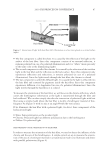
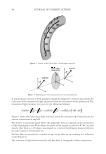
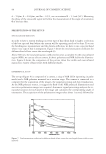
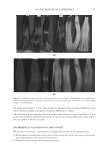
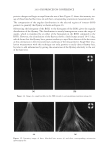
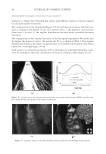
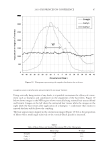
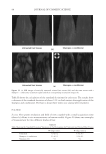
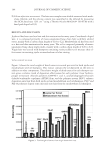
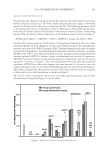
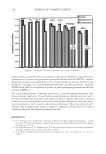
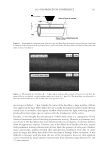
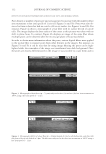
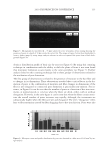
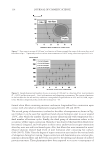
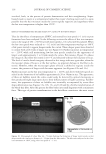
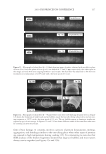
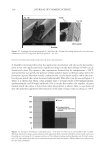
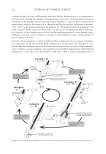
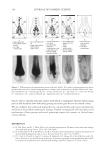
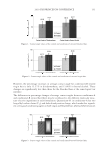
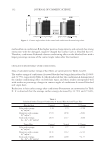
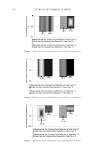
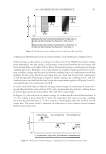
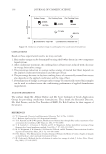
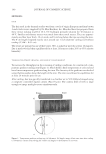
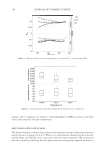
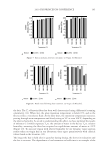
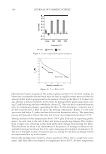
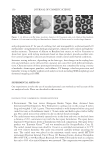
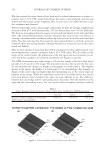
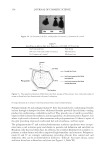
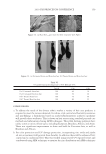
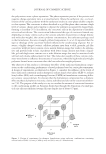
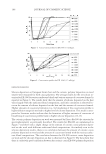
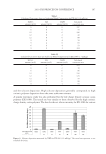
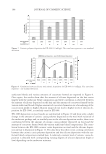
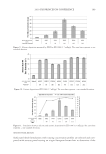
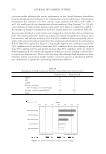
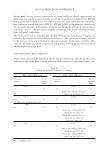
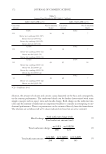
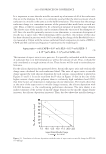
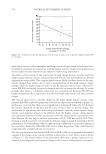
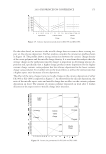
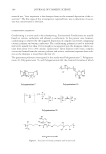
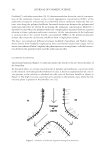
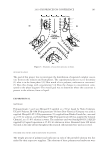
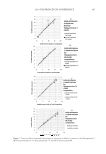
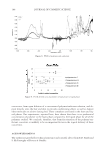
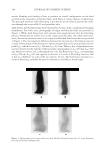
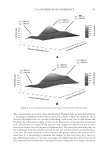
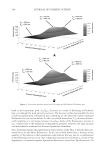
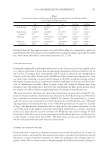
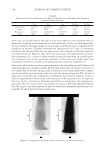
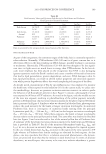
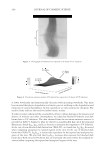
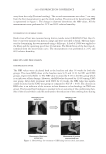
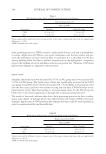
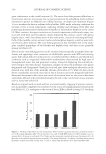
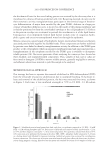
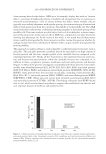
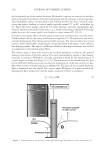
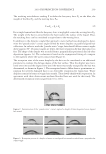
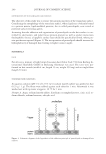
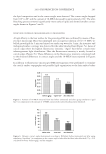
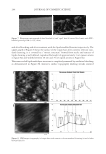
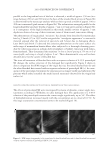
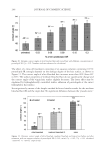
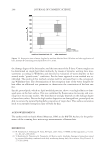
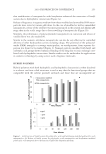
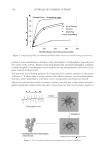
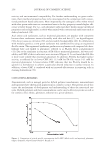
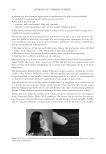
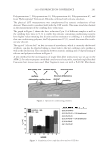
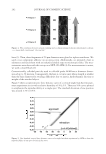
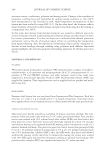
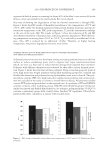
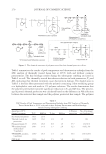
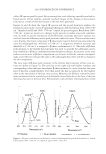
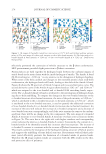
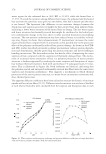
JOURNAL OF COSMETIC SCIENCE 254 packed to form nanodomains, which are either hydrophilic or hydrophobic depending on the nature of the solvent. Ability of the hydrophobically modifi ed hydrophilic polymers to from oleophilic nanodomains can be utilized for the encapsulation and release of or- ganic sensory attributes (16). The potential use of hybrid polymers for formulation of cosmetic products is illustrated in Figure 3. It shows that in polar solvents the hybrid polymers can form hydrophobic domains, where hydrophobic attributes can be incorporated and released as desired. Hybrid silicones are also useful in cosmetic industry not only due to their selective hydro- phobic/oleophobic character but also due to their structure they can be used as agents to Figure 3. Use of a hybrid polymer for encapsulation of cosmetic attributes. Figure 2. Drug binding ability of PAM and modifi ed PAM as a function of residual drug concentration.

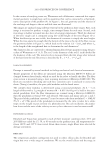
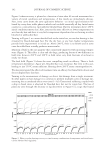
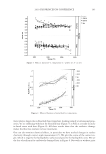
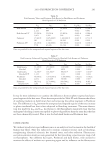
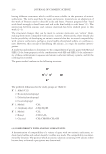
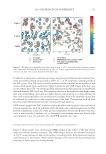
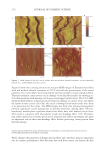
2010 TRI/PRINCETON CONFERENCE 255 impart shine, gloss, smoothness and silkiness to substrates such as a skin, fi bers (33) and hair nails. One requirement for handling/delivering these polymers is necessity of trans- porting them in form of micro/nano emulsion droplets (42) to the given substrates. Sili- cone emulsions for personal care appears either in the form of antiperspirant formulations or creams and lotions for skin care and sun protection34. These are mostly water-in-sili- cone-oil emulsions that possess the special properties of silicones: excellent spreading and fi lm-forming properties, gloss, dry nonsticky feel (35). Polish formulations in the form of water-in-silicone emulsions are obtained in a way similar to those described for antiper- spirants. Silicones in these applications create easily spreading fi lms and also facilitate the transport of other polishing oils and waxes. LIPOSOMES Liposomes are similar to nanogels but with different permeation properties, and are made up of phospholipids building blocks. Each phospholipid molecule has three major parts, one hydrophilic head and two hydrophobic tails. Liposomes, are self-assembled spherical colloidal vehicles of phospholipids bilayers with an aqueous cavity, which engulfs the water-soluble actives. They are proven to be very good carriers for cosmetics and drug attributes (18). Use of liposome in cosmetics can improve the permeation and availability of skin active components (19). The liposome particles have means for binding to microorganisms re- sponsible for skin disorders, scalp irritation, and underarm and foot odor and hence can be used to selectively treat these disorders (20). Though they are highly biocompatible, they suffer from the disadvantages of being leaky and of limited loading capacity (18). When a surfactant such as dodecyl sulfonate is added to a liposome made up of phospha- tidyl choline and phosphatidic acid, initially the size of the liposome increases and subse- quently it is solubilized (21). Electron spin resonance studies have shown the polarity and viscosity of liposomes change to that of micelles of dodecyl sulfonate at suffi ciently high concentrations of the surfactant. While the actual processes by which such disintegration takes place are not known, the process is very important from the release point of view. Recent experiments suggest that phosphatidic acid exits fi rst, leading to the weakening of the liposome structure and hence its dissolution. Furthermore, while the addition of cholesterol stabilizes liposomes, proteins destabilize them (22). GREENER SURFACTANTS FOR CLEANSING As discussed earlier, surfactant production from petroleum resources contributes to the release of atmospheric CO2 while there is a limit to the amount of palm and coconut oil that can be manufactured responsibly for natural derived surface active agents. There is a need for sustainable manufacturing of surfactants and development of greener surfactants will be important in cosmetic and personal care applications. Generally, the surface active reagents that are produced from renewable resources or bio- processes are considered to be green surfactants. For instance, sugar based polyglucosides and amino acid based lipopeptides, which have been studied toward many applications in industries. These green surfactants have many advantages, such as biodegradability, low
Purchased for the exclusive use of nofirst nolast (unknown)
From: SCC Media Library & Resource Center (library.scconline.org)