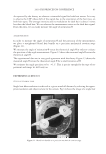
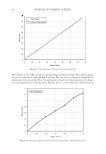
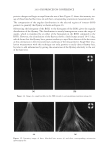
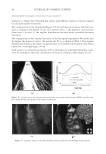
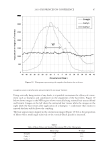
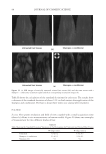
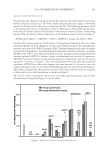
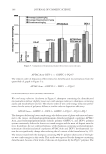
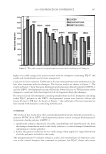
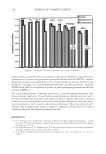
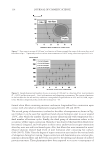
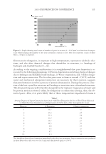
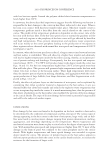
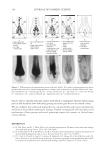
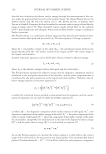
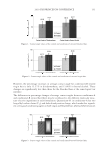
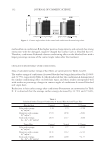
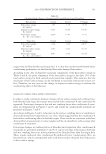
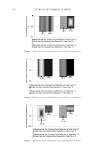
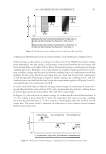
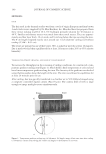
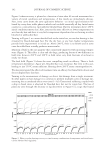
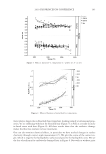
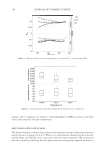
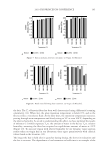
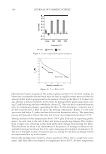
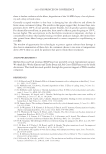
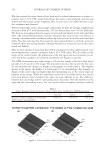
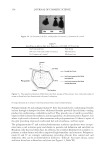
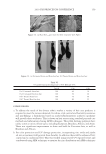
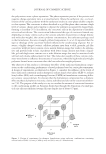
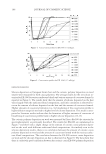
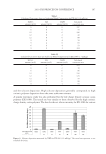
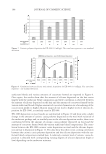
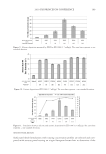
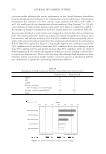
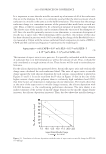
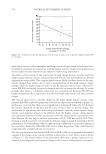
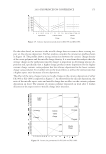
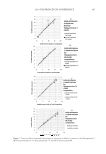
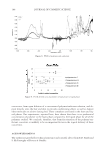
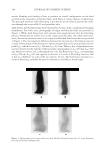
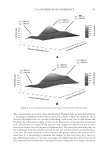
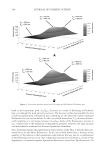
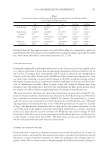
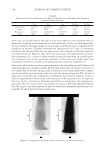
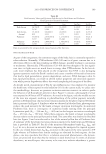
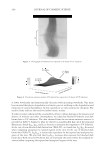
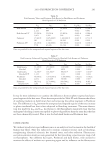
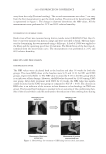
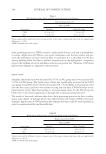
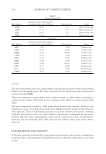
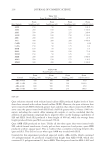
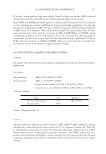
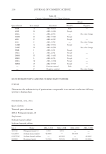
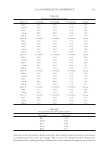
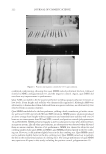
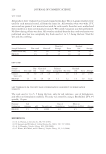
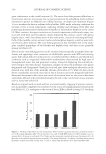
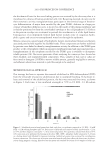
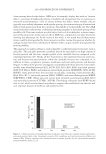
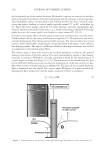
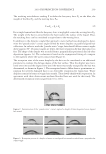
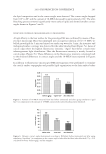
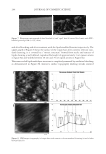
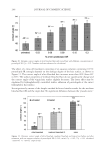
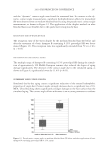
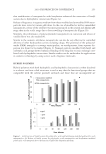
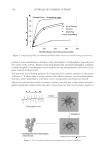
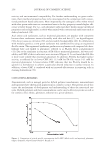
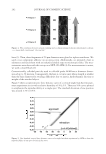
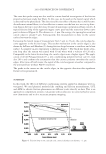
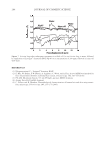
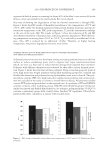
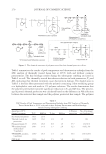
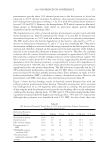
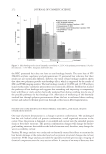
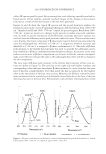
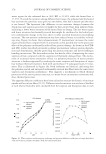
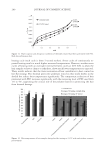
JOURNAL OF COSMETIC SCIENCE 280 heating cycle (each cycle is three 5-second strokes). Seven cycles of continuously re- peated heating result in much higher measured temperatures. However, another seven cycles of heating with an overnight interval between cycles at 60% RH, to allow the hair samples to have a chance to rehydrate, show much lower temperatures as expected. These results indicate that the water restoration of hair contributes to heat control on hot fl at ironing. The thermal protective polymers tested in this study shown in the shaded box reduce hair temperatures signifi cantly. The temperature reduction of hair pretreated with PEC increases signifi cantly with the increasing level of PEC used from 1% to 4%, supporting the critical role of the polymer barrier in protecting the hair from thermal damage. Figure 12. Hair temperatures of hair samples during hot fl at ironing at 232°C with and without cosmetic pretreatment. Figure 11. Water sorption and desorption isotherms of thermally treated hair fi bers pretreated with PEC. Dark brown European hair.

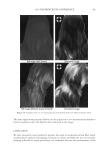
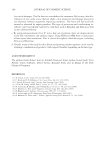
2010 TRI/PRINCETON CONFERENCE 281 CONCLUSIONS This study has shown through the use of various instrumental techniques that the ther- mal insult of hair from hot fl at ironing appliances causes damage to the hair surface and the structural proteins in the cortex. One measure of this damage is the conversion of proteins from the α helical to the β-sheet conformation, as well as a measurable loss of protein. Also evident is damage to the hair cuticle including micropore formation and cuticle cell disintegration. The internal and surface damage resulting from thermal treat- ment increases hair breakage especially with the additional stress of hair combing. Dy- namic vapor sorption (DVS) data indicate that thermally damaged hair has reduced water regain and lower water retention possibly resulting from the thermally induced changes in protein structure. Pretreatment of hair with selected high molecular weight polymers containing fi lm-modifying groups or hydrophobic units such as VP/acrylates/lauryl methacrylate copolymer, PEC, and polyquaternium-55 clearly provide thermal protec- tion to the hair surface and cortex resulting in reduced hair breakage during combing. The pretreatment of hair with selected polymers also improve moisture restoration and water retention of thermally treated hair. The studies continue to improve our under- standing of the many changes that occur on, and in, the hair fi ber with thermal stress and provide insights into the mechanisms whereby polymer pretreatments can provide sig- nifi cant protection to the hair fi ber as it is exposed to repeated thermal stress. ACKNOWLEDGMENTS The authors to thank William Thompson for providing SEM analysis of hair samples used in this work, Grisel Tumalle for her assistance in measuring hair temperature, Jean Karolak for her contribution to some of the anti-breakage data used in this work, Larry Senak for his support in obtaining FTIR image analysis data, and Roger McMullen for his help in the thermal imaging and AFM techniques. REFERENCES (1) S. B. Ruetsch and Y. K Kamath, Effect of thermal treatment with a curling iron on hair fi ber, J. Cosmet. Sci., 55, 13–27 (2004). (2) R. McMullen and J. Jachowicz, Thermal degradation of hair. I. Effect of curling ironing, J. Cosmet. Sci., 49, 223–244 (1998). (3) R. McMullen and J. Jachowicz, Thermal degradation of hair. I. Effect of selected polymers and surfac- tant, J. Cosmet. Sci., 49, 245–256 (1998). (4) P. Milczarek, M. Zielinski, and M. Garcia, The mechanism and stability of thermal transition in hair keratin, Colloid Polym. Sci., 270, 1106 (1992). (5) C. R. Robbins and K. Chesney, Hysteresis in heat dried hair, J. Cosmet. Sci., 32, 27 (1981). (6) R. Rigoletto, Y. Zhou, and L. Foltis, Semi-permanent split end mending with a polyelectrolyte com- plex, J. Cosmet. Sci., 58, 451–476 (2007). (7) R. Rigoletto, Y. Zhou, and L. Foltis, Mending hair damage with polyelectrolyte complexes, US Patent 7,837,983. (8) J. A. Swift, “Fundamentals of Human Hair Science,“in Cosmetic Science Monographs, No.1, Hilda Butler, Series Ed. (Micelle Press, Weymouth, Dorset, England, 1997), pp. 25. (9) F.-J. Wortmann, C. Springob, and G. Sendelbach, Investigations of cosmetically treated human hair by differential scanning calorimetry in water, J. Cosmet. Sci., 53, 219–228 (2002). (10) C. R. Robbins, Hair breakage during combing. I. Pathways of breakage, J. Cosmet. Sci., 57, 233–243 (2006).
Purchased for the exclusive use of nofirst nolast (unknown)
From: SCC Media Library & Resource Center (library.scconline.org)