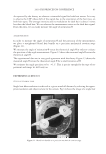
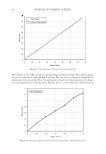
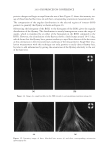
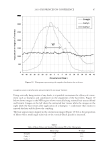
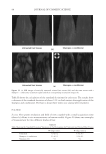
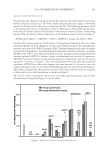
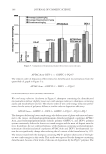
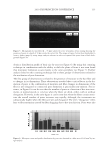
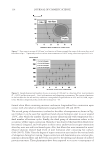
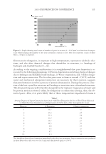
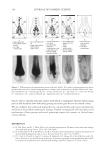
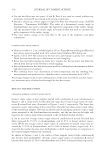
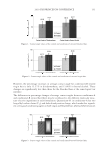
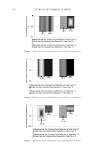
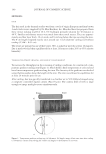
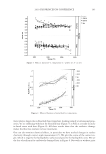
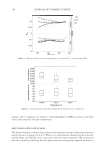
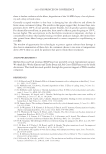
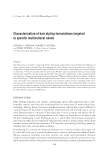
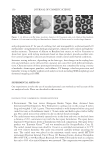
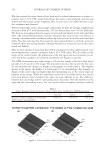
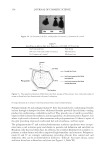
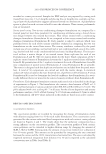
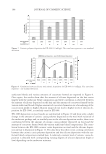
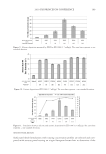
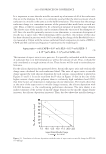
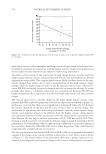
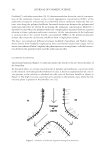
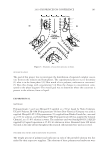
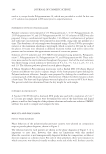
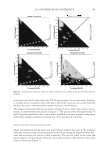
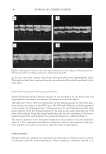
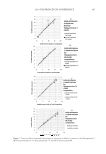
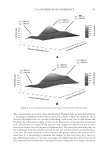
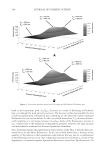
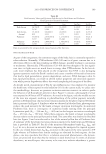
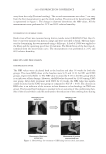
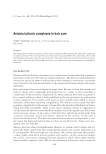
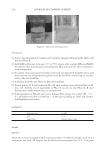
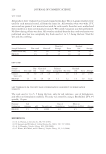
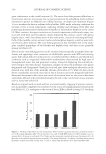
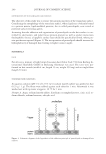
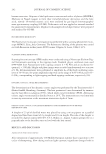
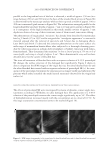
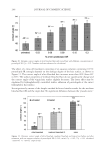
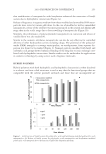
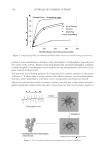
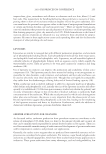
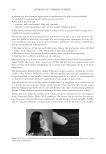
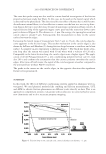
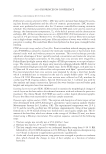
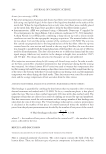
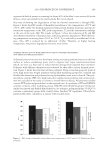
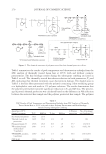
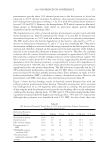
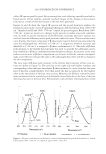
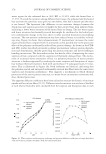
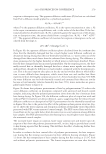
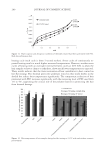
JOURNAL OF COSMETIC SCIENCE 278 water regain for the unheated hair at 90% RH is 21.95% while the heated hair is 17.27%. To avoid the variation among different hair tresses, the unheated and the heated hair are from the same hair tress split into two halves. One half is heated and the other is not heated. The hysteresis (the difference in net moisture changes between the desorption and sorption processes) is higher for heat-treated hair than unheated hair, indicating a lower water retention of the heated hair on drying. The less water regain and lower retention for thermally treated hair might be attributed to the helical pro- tein conformation change to the beta sheet or other uncoiled denatured cross-linking structure. The new protein conformation may have reduced water accessibility or bind- ing sites. Figure 9a shows that polyquaternium-55 pretreatment increases the water regain of heated hair compared with its untreated control possibly due to the protective effect of the polymer on thermally induced hair protein damage. As shown in the FTIR and DSC studies described previously, polymer pretreatment reduces protein degrada- tion and denaturation, thereby protecting the protein structure and native hydrogen bonding interactions. The data indicates that this has the effect of improving the water sorption of hair, compared with the unprotected thermally damaged hair. The mecha- nism of increased water restoration of hair via polymer protection of native protein structure is further supported by studying the water sorption and desorption of virgin hair without thermal treatment, both with and without 1% polyquaternium-55 treat- ment. This is illustrated in Figure 10a. Both isotherms are identical, indicating that the polymer treated and untreated unthermally-stressed hair fi bers have the same water sorption and desorption performance. This supports a mechanism in which thermal protection of the native protein structure is a major factor in moisture restoration and, thus, thermal protection. The apparent diffusion coeffi cients have been utilized to measure the kinetics of moisture uptake and loss in hair fi bers (12,13). Diffusion rates for moisture into and out of the fi ber at each relative humidity were calculated from the sorption and desorption data in each Figure 10. Water sorption and desorption isotherms and apparent diffusion coeffi cients of virgin hair fi bers with and without polymer treatment. Dark brown European hair.

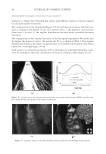
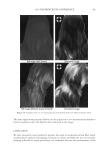
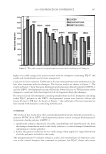
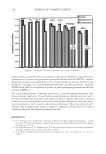
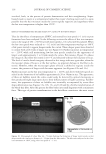
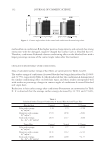
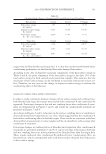
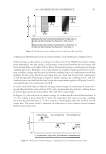
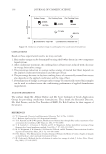
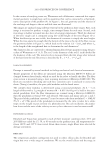
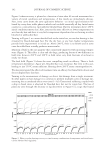
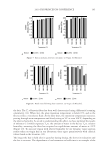
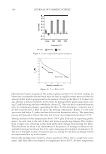
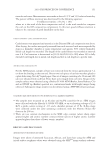
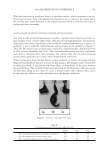
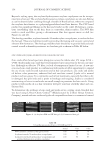
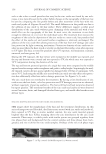
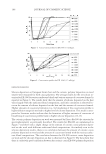
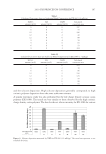
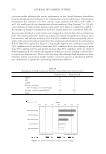
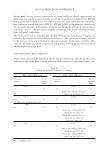
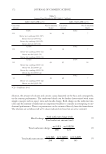
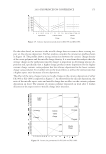
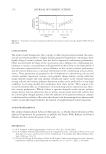
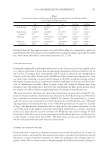
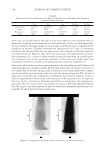
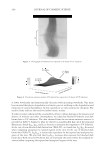
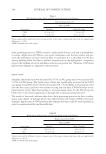
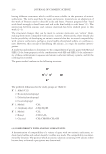
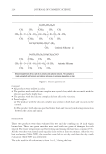
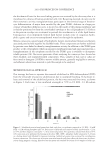
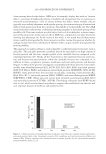
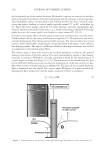
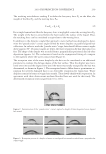
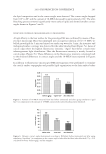
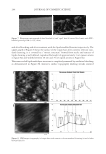
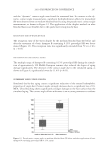
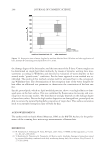
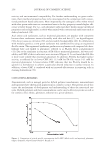
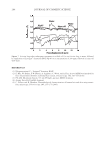
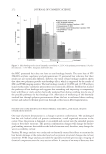
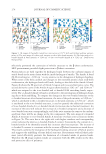
2010 TRI/PRINCETON CONFERENCE 279 sorption or desorption step. The apparent diffusion coeffi cients (D) for hair are calculated from Fick’s diffusion model applied to a cylindrical geometry: Mt/Mf = 4(Dt/πr2)1/2 where D is the apparent diffusion coeffi cient, Mt is the vapor concentration at time t, Mf is the vapor concentration at equilibrium, and r is the radius of the hair fi ber. If the frac- tional absorbed or desorbed water, Mt/Mf, is plotted against the square root of the absorp- tion or desorption time, the points should form a straight line: Mt/Mf = 4/π1/2 r((D)1/2 (t)1/2. The apparent diffusion coeffi cient of moisture for sorption or desorption can be cal- culated from the slope as 2 2 ( /16)( ) D r slope c/s2m = π In Figure 9b, the apparent diffusion coeffi cient plots calculated from the isotherm data show that the thermally damaged hair has a much higher water diffusion coeffi cient on desorption during drying than the non-thermally-treated hair, i.e. water comes out of the damaged hair fi bers much faster than the unheated hair during drying. The difference is more pronounced at the higher humidity at which water is multi-layer absorbed. There- fore the heat damaged hair has increased permeability. On the sorption process, the ther- mally treated hair or thermally damaged hair has a slower water uptake rate than the unheated hair, though the difference is much smaller, compared with the desorption pro- cess. This is because sorption takes place in the dry and un-swollen fi bers in which diffu- sion is more diffi cult than desorption, which starts from wet and swollen hair fi bers experienced from the lengthy sorption process (12). At low humidity less than 30% RH, the water diffusion rate for both thermally treated and untreated hair fi bers are similar because at low humidity (relative humidity less than 25%), water molecules are princi- pally bonded water to hair (14). Figure 9b shows that polymer pretreatment of hair by polyquaternium-55 reduces the water diffusion coeffi cient on desorption compared with untreated and heated control samples, indicating that the polymer pretreatment slows down the loss of moisture from hair during drying. In Figure 10b, the diffusion coeffi cient plots of virgin hair with and without PQ-55 treatment are almost identical, again, suggesting that the reduced water diffusion coeffi cient on desorption by PQ-55 pretreatment for the thermally treated hair in Figure 9b is due to the protective effect of the polymer on hair protein structure. Fig- ure 11 shows the water sorption and desorption isotherm of thermally treated hair fi bers pretreated with PEC versus untreated control sample. The PEC-treated hair and the un- treated hair are the two split halves from the same tress to avoid variation among different hair samples. The PEC-pretreated hair after heating has a much higher water regain than the untreated control samples. The increased water regain on sorption, faster vapor sorption rate and slower vapor de- sorption of hair from the polymer pretreatment will, in turn, help to provide heat control to hair during repeated hot fl at ironing. This will have the effect of reducing further ther- mal damage. In order to evaluate the heat control effect of polymer pretreatment, the hair tempera- ture during hot fl at ironing was measured in three different heating schedules. Figure 12 shows the hair temperature of hair samples during hot fl at ironing at 232°C with and without polymeric pretreatments. The lowest temperatures are seen after the fi rst
Purchased for the exclusive use of nofirst nolast (unknown)
From: SCC Media Library & Resource Center (library.scconline.org)