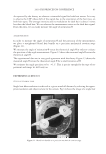
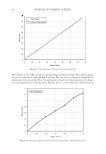
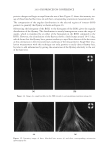
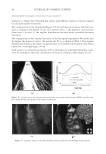
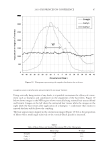
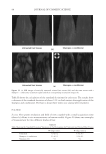
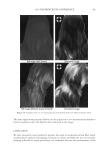
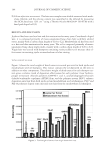
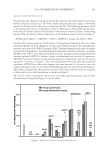
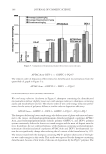
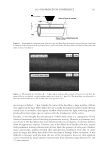
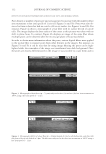
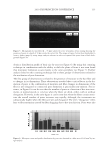
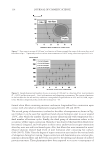
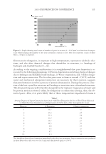
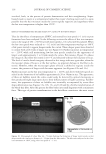
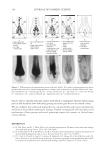
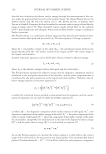
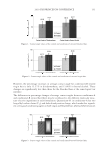
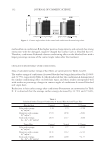
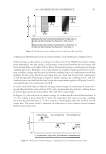
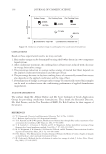
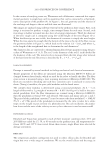
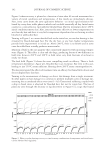
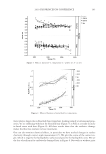
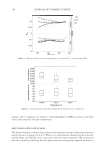
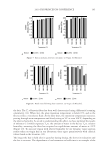
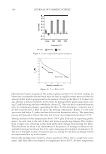
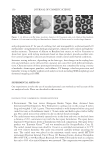
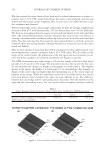
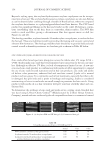
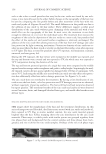
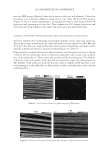
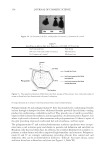
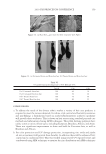
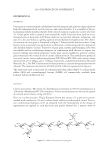
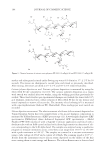
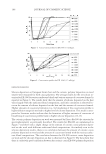
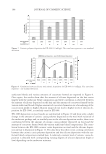
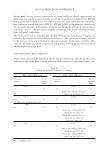
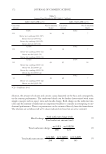
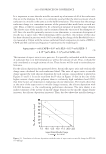
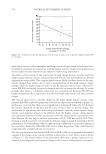
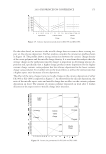
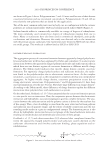
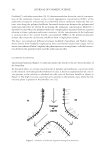
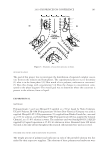
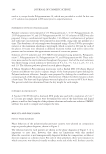
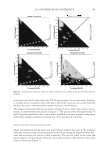
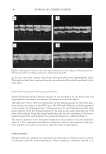
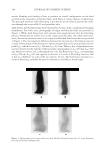
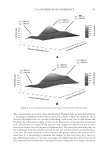
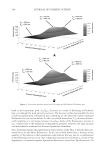
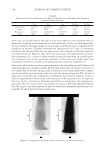
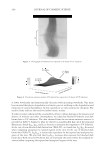
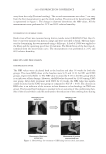
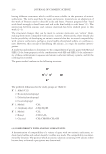
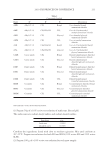
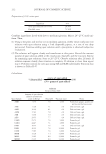
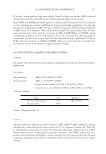
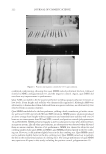
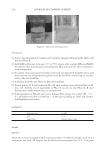
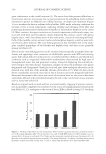
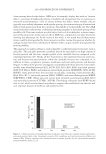
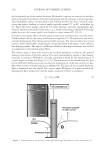
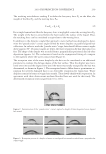
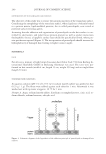
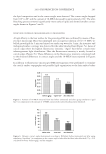
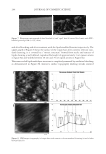
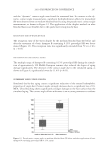
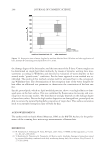
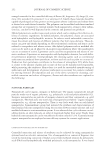
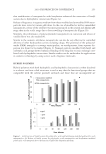
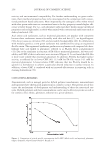
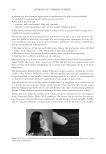
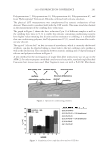
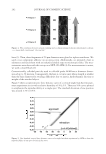
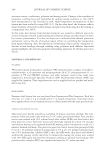
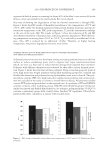
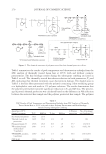
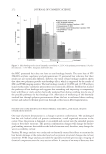
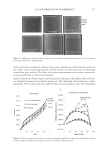
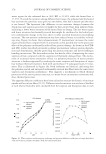
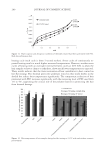
JOURNAL OF COSMETIC SCIENCE 118 EFFECTS OF SOME POLYMERS AND OILS ON THE HAIR SURFACE It should be mentioned here that the application of polymers and oils on the hair surface prior to hot iron application had a signifi cant impact on the heat damage of both cuticle sheath and cortex. For instance, the experiments showed that for temperatures 180°C and normal hot iron speeds, the presence of thick polymer layers on the hair surface led to the formation of pores that were mostly confi ned at the cuticle sheath surface, while the num- ber of pores inside the cortex decreased substantially. This effect can be seen in Figure 14 where it is shown that when a thin polymer layer (~0.5 μm thick) of N-vinylpyrrolidone methacrylamide and N-vinyl imidazole (16) is on the hair surface the number of pores formed inside the cortex is lesser than when the polymer is absent. Also, it was observed that this polymer suppressed the formation of the type of large voids occurring at 210°C Figure 13. Scanning electron micrograph of a hair fi ber (φ~ 68 μm) after being subjected to four hot-iron treatments at 220°C using a low hot-iron speed of ~ 0.2 in/s. Figure 14. Averages of total pore count from areas ~ 0.06 mm2 for two sets of ten hair fi bers (φ~ 72 μm). The bars represent average counts obtained with untreated fi bers (control) and fi bers treated with a leave-on formulation containing 0.1% aqueous solution of N-vinylpyrrolidone methacrylamide and N-vinyl imida- zole (13) after application the excess solution was squeezed with the fi ngers. All hair fi bers were subjected to fi ve hot-iron treatments.

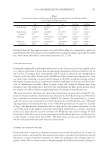
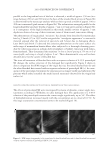
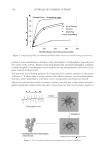
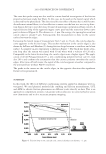
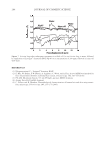
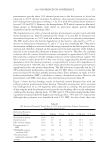
2010 TRI/PRINCETON CONFERENCE 119 with low hot-iron speeds. Instead the polymer shifted their formation temperatures to levels higher than 220°C. In summary, the above described experiments suggest that the following mechanism is responsible for heat damage to the cortex in hair fi bers subjected to hot irons. When a hot iron is in contact with hair heat transfer takes place. This heat transfer creates a temperature gradient inside a hair fi ber from the cuticle sheath to the center of the cortex. The profi le of this temperature gradient is dependent on the contact time of the hot iron with the hair fi ber. If the hot-iron speed is fast or normal the gradient will be steep, and only regions at the periphery of the hair cortex will get affected by heat fl ow and high temperatures. Thus, protein denaturation and explosive water evaporation will occur mainly at the cortex periphery leading to the production of micropores in these regions such as observed with normal hot iron speeds and temperatures ≤ 180°C (see Figures 2 and 7). In contrast, when the hot-iron speeds are reduced, a larger contact time between hot-iron and hair surface is established. This will allow for a higher heat transfer and ultimately will lead to higher temperatures inside the hair fi ber causing, thereby, an incipient pro- cess of protein melting and shrinkage. Consequently, low hot iron speeds and tempera- tures between 180°C T ≤ 210°C will produce larger voids deeper inside the cortex (see Figs. 10 and 11). For hot iron temperatures higher than 220°C at low speeds more heat fl ow will take place. This process will generate high temperatures inside the hair with values very close to those at the hot-iron surface. These high temperatures will create, thus, the massive process of protein melting, shrinking, and aggregation with the conse- quent production of large bubbles, hair shape distortion, and fi ber fragmentation as de- picted in Figs. 12 to 13. Finally, the effect of polymer layers on the formation of micropores can be explained by considering that, when a polymer material is deposited on the hair surface, it acts as a thermal buffer that slows heat transfer and reduces the explosive water evaporation that occurs in regions deep inside the cortex. It is worth mentioning here, that the presence of thin layers of polymers on the hair surface also modifi ed the patterns of friction damage at the cuticle sheath. The topic of friction damage by hot-irons is presently being studied and will be the subject of another report. CONCLUSIONS Heat damage by hot irons was found to be dependent on the heat transfer to hair and to be determined by the conditions of temperature and hot-iron speed. The various types of damage appearing in the hair cortex in the form of micropores, large voids, and air bub- bles were found to involve protein changes ranging from protein denaturation, melting, aggregation, and shrinkage depending on the temperature. Water evaporation and mechanical extension were shown to play a critical role in the degree of micropore forma- tion. With normal hot-iron speeds and temperatures not higher than 200 °C most of the damage in the form of pores was confi ned to the cortex periphery and to the cuticle sheath. With higher temperatures and lower speeds damage was extended to regions deeper inside the cortex. The presence of polymer layers on the hair surface appears to shift micropore production from the cortex to the cuticle sheath and also, to increase the resistance for the formation of larger voids.
Purchased for the exclusive use of nofirst nolast (unknown)
From: SCC Media Library & Resource Center (library.scconline.org)