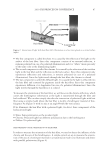
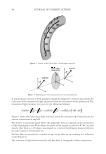
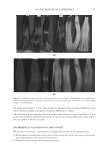
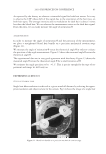
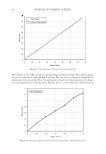
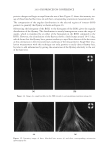
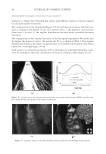
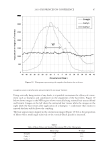
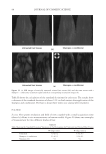
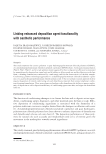
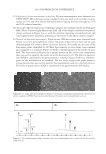
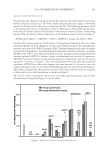
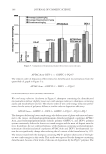
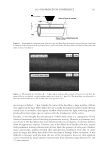
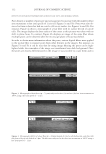
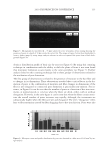
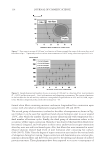
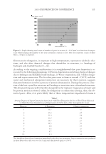
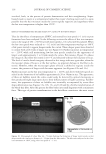
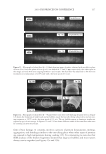
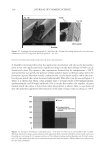
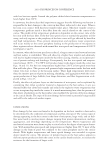
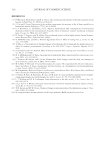
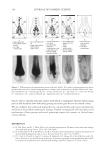
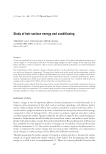
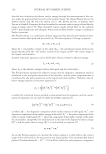
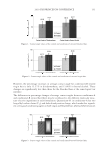
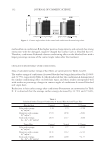
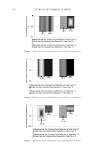
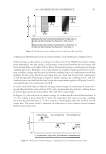
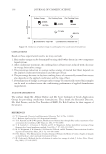
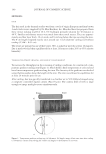
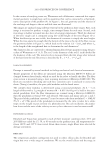
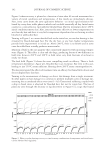
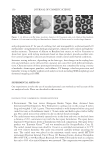
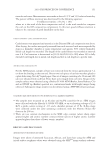
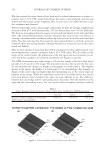
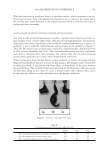
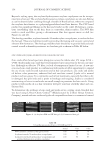
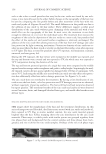
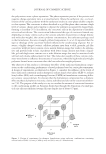
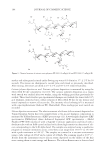
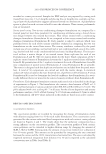
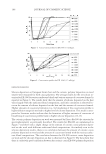
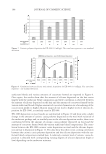
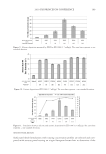
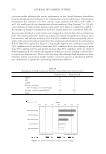
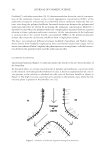
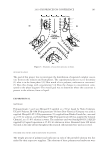
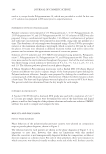
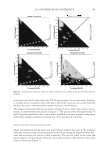
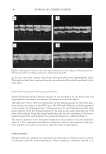
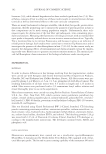
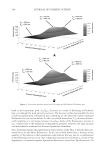
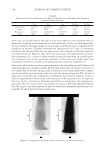
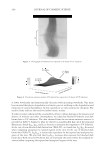
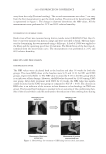
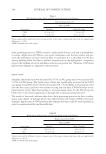
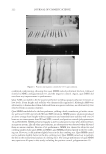
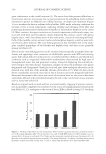
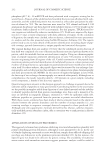
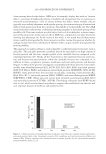
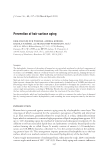
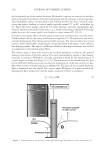
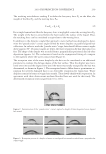
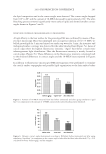
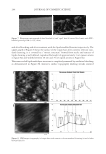
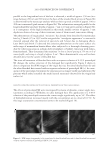
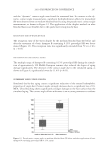
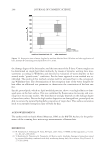
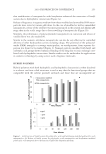
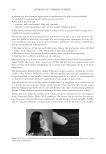
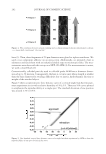
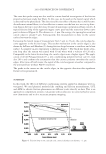
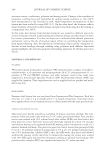
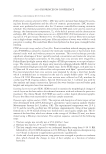
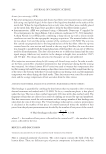
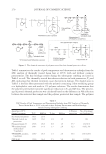
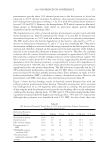
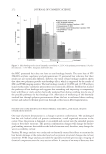
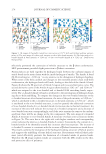
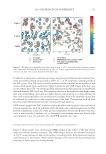
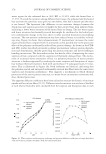
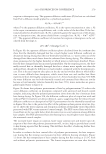
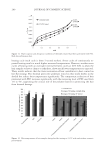
JOURNAL OF COSMETIC SCIENCE 116 Figure 10. Micrograph of a hair fi ber (φ ~ 72 μm) showing the formation of larger voids (inside circles) deeper inside the cortex at a distance of ~ 24 μm from the hair surface. The fi ber was subjected to fi ve hot- iron treatments at 180°C using a hot-iron speed of ~ 1 in/s. involved, both, in the process of protein denaturation and hair straightening. Super- heated steam is steam at a temperature higher than water’s boiling point and it is quite possible that the hair moisture inside the cortex rapidly vaporizes and superheats when the hot iron temperature is higher than 150°C. EFFECTS OF TEMPERATURES HIGHER THAN 180°C AND LOW HOT-IRON SPEEDS Thus far the effects of temperatures ≤180 C and normal hot iron speeds (~1 in/s) on pore formation have been analyzed. In the following sections the effects of hot iron tempera- tures in the range of 180 210°C but with lower speeds (~0.2 inch/s) will be analyzed. When the hot-iron speeds were reduced to ~ 0.2 inch/s and the temperature was kept at 180°C a few pores started to appear deeper inside the cortex. These deeper pores were observed to coexist with a few voids of larger size (see Figure 10). Further increases in temperature to ~ 210°C while still maintaining low hot iron speeds, resulted in the appearance of larger voids approximately 3 to 10 μm inside the cortex. For instance, Figure 11a shows the image of a hair fi ber hot ironed at 210 °C and obtained without shift in plane of focus. The level of cuticle sheath integrity observed in this image indicates again that, when the microscope's plane of focus is at the hair surface, no apparent damage in the fi ber is de- tected. However, when the microscope's plane of focus is shifted to regions inside the cortex, the presence of large voids becomes apparent (see Figures 11b and 11c). Further increases in the hot iron temperature to ~ 220°C and above with low speeds re- sulted in the formation of air bubbles approximately 20 to 30 μm in size. The appearance of these air bubbles inside the cortex could easily be detected by optical microscopy as they produced bright large spots due to their diffuse pattern of light scattering. Further- more, the appearance of these air bubbles was invariably accompanied by severe fi ber shape deformation (see Figures 12a, 12b, 12c, and 12d) and by a brittle transformation of the whole hair fi ber. After this process the fi ber broke into small fragments with a minimum force. This type of protein transformation in the hair fi bers constitutes the most severe

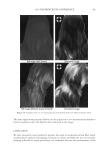
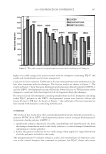
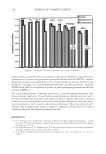
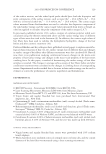
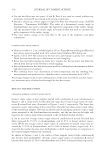
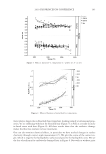
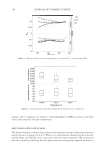
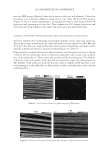
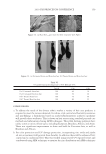
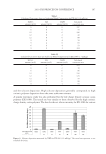
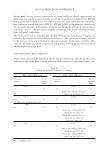
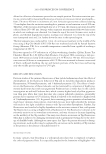
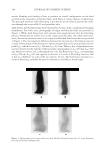
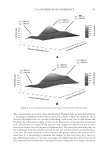
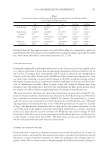
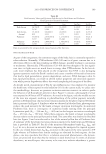
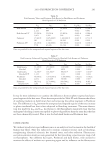
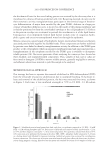
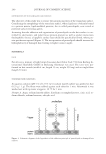
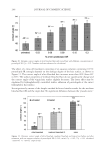
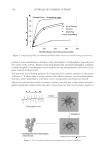
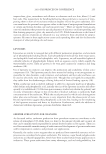
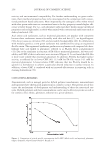
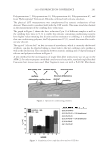
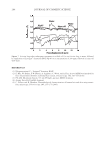
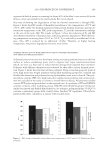
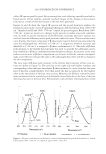
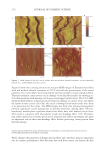
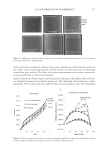
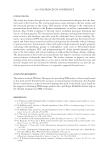
2010 TRI/PRINCETON CONFERENCE 117 Figure 11. Micrograph of a hair fi ber (φ ~ 64 μm) showing image of surface obtained with no shift in plane of focus (11a). Later the plane of focus (p.o.f.) was shifted in 27 and 32 μm, respectively the white spots in the image are voids with sizes ranging between 3 and 10 μm. The hair fi ber was subjected to fi ve hot-iron treatments at a temperature of 210°C and with a hot-iron speed of 0.2 in/s. form of heat damage. It certainly, involves a process of protein denaturation, melting, aggregation, and shrinkage similar to the one taking place when other types of proteins are exposed to high temperatures during cooking (15). It is interesting to note also that SEM analysis of the broken fragments showed that large air bubbles and micro-pores always coexist together (see Figures 13a and 13b). Figure 12. Micrograph of a hair fi ber (φ ~ 78 μm) before (12a) after (12b) shifting the plane of focus. Figure 12b shows the formation of small voids and air bubbles inside the hair after bring subjected to one hot iron- ing treatment at 220°C with a hot-iron speed of 0.2 in/s. The air bubbles appear as luminous translucent regions by optical microscopy. In Figures 12c and 12d are shown different views of the same fi ber when seen by scanning electron microscopy.
Purchased for the exclusive use of nofirst nolast (unknown)
From: SCC Media Library & Resource Center (library.scconline.org)