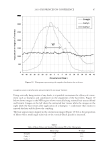
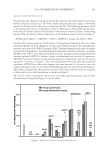
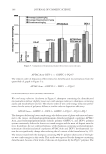
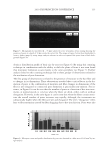
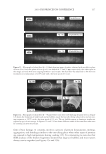
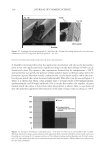
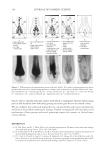
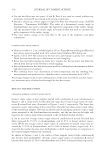
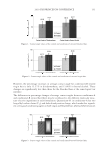
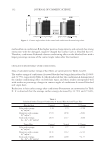
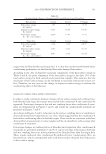
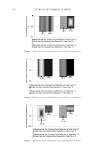
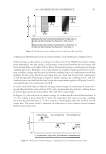
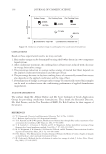
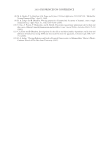
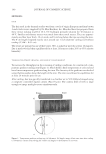
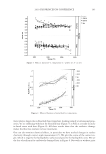
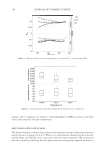
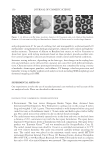
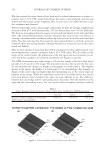
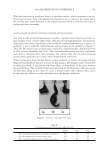
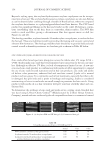
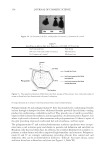
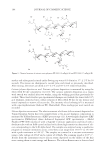
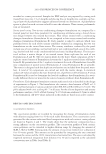
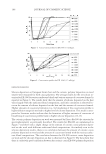
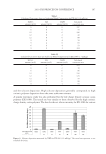
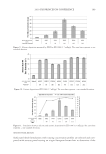
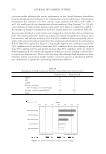
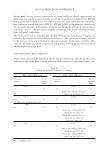
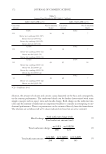
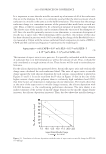
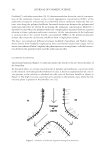
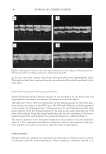
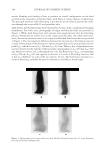
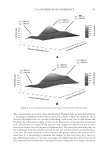
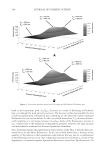
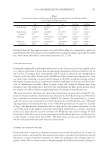
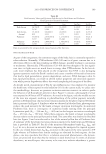
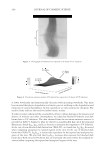
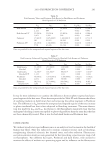
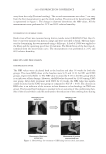
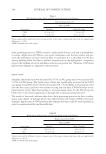
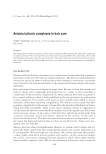
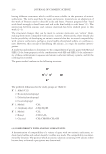
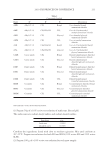
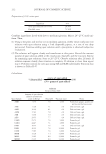
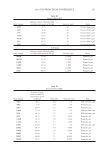
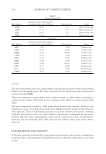
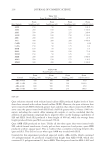
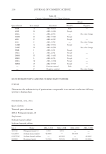
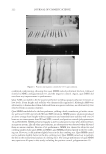
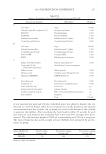
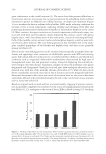
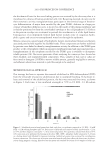
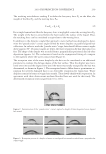
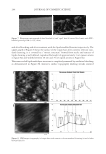
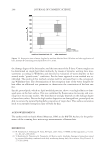
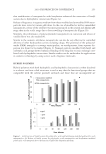
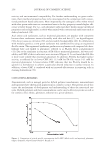
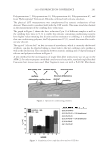
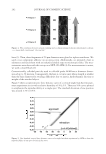
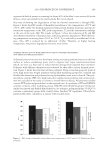
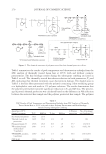
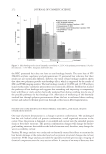
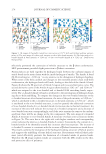
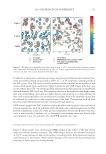
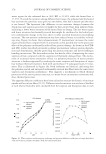
JOURNAL OF COSMETIC SCIENCE 132 methosulfate in conditioner-B has higher positive charge density, and certainly has strong interaction with the damaged, negative-charged hair surface such as bleached hair (7). Therefore, conditioner-B showed a better conditioning effect on the bleached hair with a larger percentage increase of the contact angle values after the treatment. CHANGE IN SURFACE ENERGY AFTER CONDITIONING Data of calculated surface energy of hair fi bers are summarized in Tables I and II. The surface energy of conditioner-A treated bleached and virgin hair reduced by 29.06% and 31.77%, respectively (Table I), which indicated that the conditioner-A demonstrated the similar conditioning effect on both hair types, and these results corresponded well with results on percentage changes in contact angles of conditioner-A treated bleached and virgin hairs. Reductions in hair surface energy after conditioner-B treatment are summarized in Table II. It is observed that the average surface energy decreased by 33.72% and 27.64%, Figure 4. Contact angle values of the control and conditioner-B treated virgin hair. Table I Calculated Surface Energy of Conditioner-A Treated Bleached and Virgin Hair Bleached hair Control Treated % Change Polar surface energy, σSP (mJ/m2) 2.18 1.79 −17.98 Dispersive surface energy, σSD (mJ/m2) 27.65 19.38 −29.91 Total surface energy, σS = σSP + σSD (mJ/m2) 29.83 21.17 −29.06 Virgin Hair Control Treated % Change Polar surface energy, σSP (mJ/m2) 2.48 1.77 −28.68 Dispersive surface energy, σSD (mJ/m2) 16.41 11.12 −32.24 Total surface energy, σS = σSP + σSD (mJ/m2) 18.89 12.89 −31.77

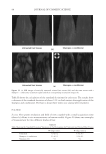
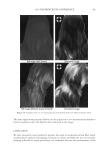
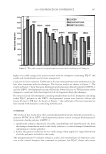
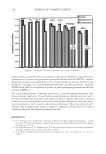
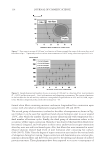
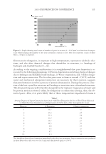
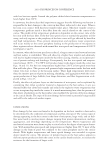
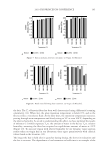
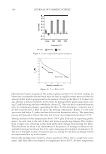
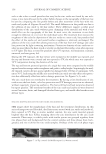
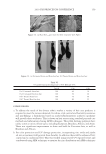
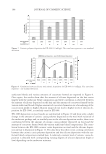
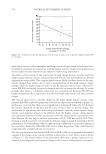
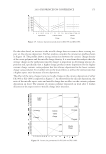
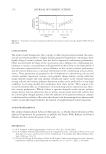
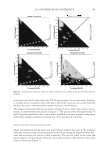
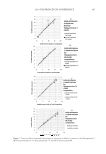
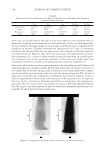
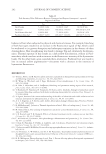
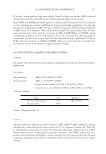
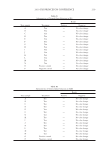
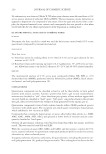
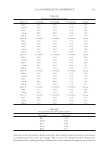
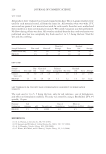
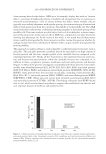
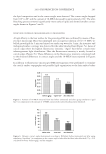
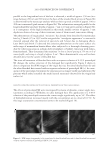
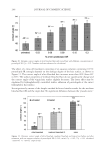
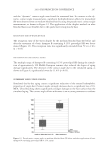
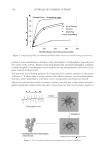
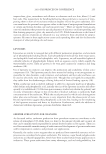
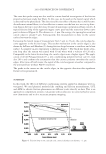
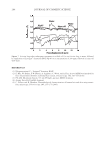
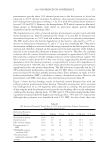
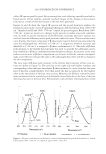
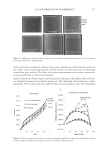
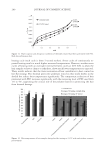
2010 TRI/PRINCETON CONFERENCE 133 Table II Calculated Surface Energy of Conditioner-B Treated Bleached and Virgin Hair Bleached hair Control Treated % Change Polar surface energy, σSP (mJ/m2) 1.87 1.79 −4.39 Dispersive surface energy, σSD (mJ/m2) 25.03 16.04 −35.92 Total surface energy, σS = σSP + σSD (mJ/m2) 29.90 17.83 −33.72 Virgin hair Control Treated % Change Polar surface energy, σSP (mJ/m2) 0.64 0.45 −28.87 Dispersive surface energy, σSD (mJ/m2) 17.83 12.91 −27.59 Total surface energy, σS = σSP + σSD (mJ/m2) 18.47 13.36 −27.64 respectively, for bleached hair and virgin hair. It is clear that conditioner-B showed better conditioning performance on the bleached hair with damaged hair surface. According to the data of dispersive and polar components of the hair surface energy in Tables I and II, the polar component of the hair surface energy is less than 15% of the total surface energy for both controls and treated hair samples. This indicates that the major part of hair surface energy can be attributed to non-polar interactions on hair sur- face. Therefore, we may just use the change in dispersive surface energy to evaluate the conditioning effect of formulations. CHANGE IN COMBING FORCE AFTER CONDITIONING In order to study correlations between changes in hair surface energy and combing force, both bleached and virgin hair tresses were treated with conditioner-A and conditioner-B, separately. Percentage changes in dry and wet combing forces after conditioner-A treat- ment are demonstrated in Figures 5 and 6, and results for conditioner-B treatment are presented in Figures 7 and 8. As is shown in Figures 5 and 6, reductions in dry and wet combing forces of conditioner- A treated bleached and virgin hair are very close, which suggested that the conditioner-A had similar conditioning effect on both hair types. These results are consistent with those obtained from measurements of contact angles and the calculated hair surface energy after conditioner-A treatment. Percentage changes in combing forces of bleached and virgin hair after conditioner-B treatment are presented in Figures 7 and 8. It can be seen that reductions in both dry and wet combing forces are more pronounced for bleached hair than for virgin hair. These results indicated that conditioner-B exhibited better conditioning effect on bleached hair, which corresponded well with those results obtained from reductions in hair surface energy.
Purchased for the exclusive use of nofirst nolast (unknown)
From: SCC Media Library & Resource Center (library.scconline.org)