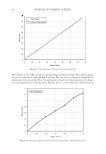
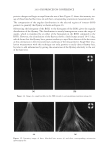
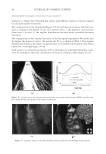
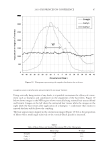
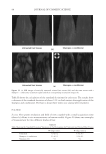
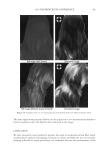
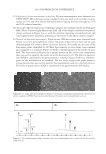
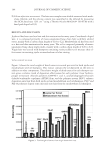
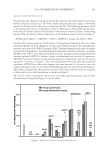
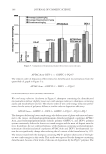
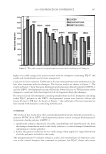
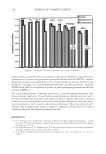
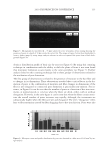
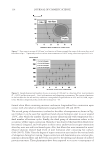
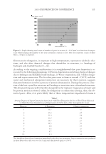
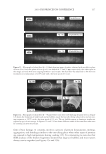
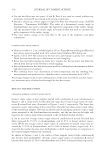
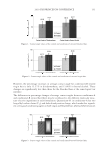
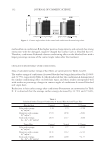
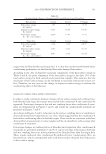
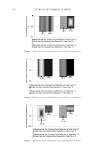
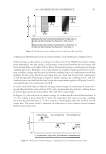
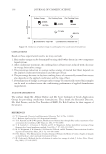
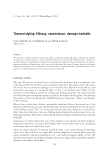
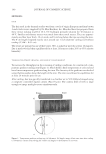
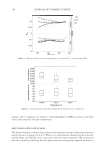
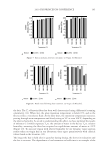
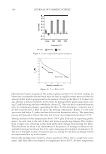
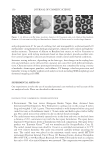
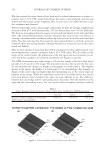
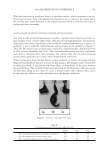
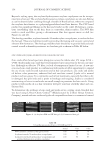
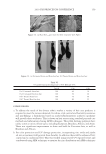
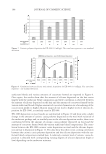
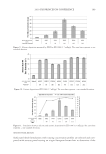
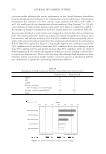
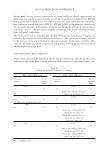
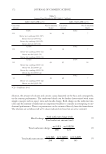
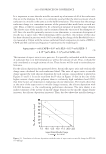
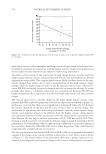
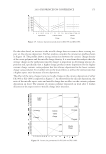
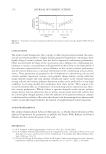
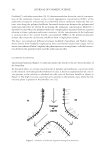
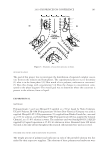
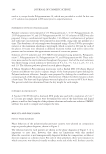
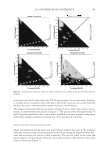
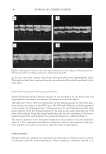
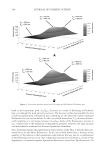
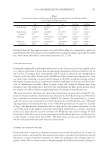
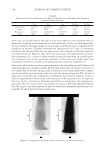
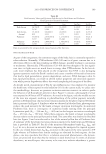
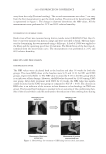
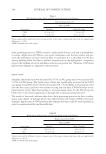
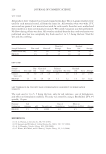
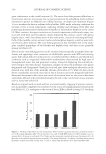
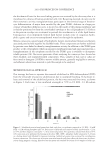
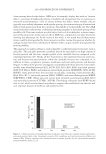
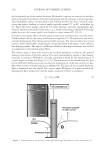
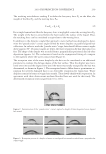
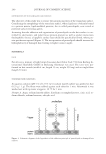
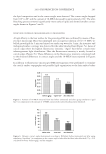
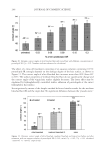
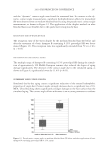
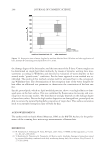
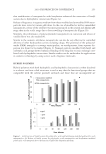
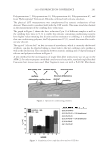
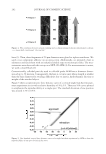
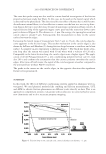
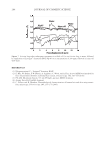
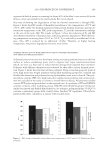
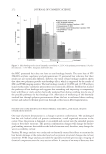
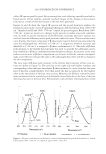
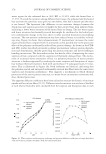
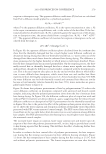
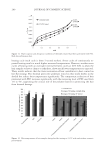
JOURNAL OF COSMETIC SCIENCE 130 Cut the hair fi ber into two parts: A and B. Part A was used as control without any • treatment, and part B was treated with testing conditioners. Dynamic advancing contact angle of single hair fi ber was measured using a KR • ŰSS Processor - Tensiometer K100MK2. The value of a determined contact angle in diiodomethane was used to calculate the dispersive component of the surface energy, and the measured value of contact angle in benzyl alcohol was used to calculate the polar component of the surface energy. The total surface energy of the hair fi ber is the sum of the dispersive and polar • components. COMBING FORCE MEASUREMENT Hair tress width is 1.2 cm, and the length is 20 cm. Virgin Brown and Regular Bleached • hair tresses were prewashed with 10% sodium lauryl sulphate (SLS) before use. Apply 2 ml of 10% SLS solution to the hair tress and manage it gently for 1 minute. • Work the tress from the top to the bottom to avoid tangling. Rinse the tress with running tap water for 1 minute. Let the tap water run down the • swatch from the top to the bottom to avoid tangling. For each formulation, fi ve hair tresses were used for combing force measurements before • and after respective treatment. Wet combing forces were determined at room temperature and dry combing force • measurements were performed in a chamber with a constant humidity level of 65%. Percentage changes in dry or wet combing forces of the same tress before and after respec- tive treatment were calculated and averaged for fi ve hair tresses. RESULTS AND DISCUSSION CHANGE IN AVERAGE CONTACT ANGLE VALUES Contact angle values of hair samples treated with conditioner-A were summarized in Figures 1 and 2, respectively, for bleached and virgin hair. Contact angle values of condi- tioner-B treated hair were illustrated in Figures 3 and 4, respectively. The lower bars represent contact angle values of the control hair, the taller bars show contact angle values of the treated hair samples. Two bars on the left side of each fi gure indicate contact angle values measured at the diiodomethane/air interface, and the two bars on the right side represent the contact angle values measured at the air/benzyl alcohol interface. It can be seen that average contact angle values of conditioner-A treated bleached hair fi bers increased by 25.07% in diiodomethane, and 21.97% in benzyl alcohol, respec- tively. While the average contact angle values of conditioner-A treated virgin hair in- creased by 12.54% in diiodomethane, and 25.04% in benzyl alcohol, respectively. It is clear that hair surface became more hydrophobic in both liquid probes in comparsion to the control samples without any treatment. As shown in Figures 3 and 4, the surface of hair samples treated with conditioner-B also became more hydrophobic. Average contact angle values of conditioner-B treated bleached hair raised by 25.54% in diiodomethane and 29.64% in benzyl alcohol, respectively.

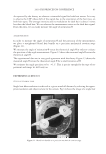
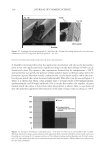
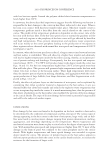
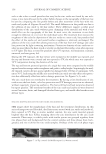
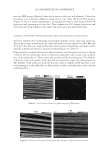
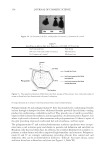
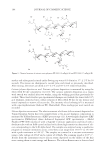
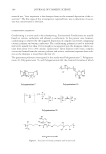
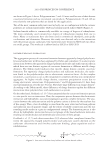
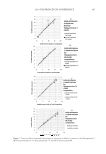
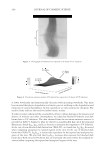
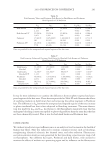
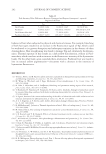
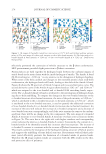
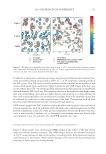
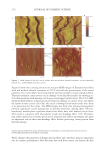
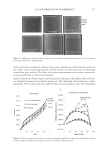
2010 TRI/PRINCETON CONFERENCE 131 However, the percentage increases in average contact angle for conditioner-B treated virgin hair is only 13.37% in diiodomethane, and 15.80% in benzyl alcohol. These changes are signifi cantly less than those for the bleached hair at the same liquid /air interface. The differences in percentage changes of average contact angles between conditioner-A and conditioner-B treated hair fi bers may be attributed to the different molecular struc- ture of active ingredients in each formulation. Quaternium-91 in conditioner-A has two long alkyl carbon chains (C22) and delocalized positive charge, which made this ingredi- ent a very good conditioning agent on both virgin and bleached hair, whereas behetrimonium Figure 1. Contact angle values of the control and conditioner-A treated bleached hair. Figure 2. Contact angle values of the control and conditioner-A treated virgin hair. Figure 3. Contact angle values of the control and conditioner-B treated bleached hair.
Purchased for the exclusive use of nofirst nolast (unknown)
From: SCC Media Library & Resource Center (library.scconline.org)