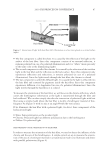
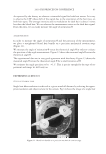
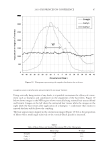
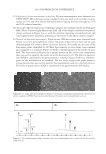
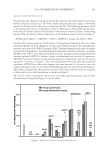
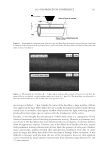
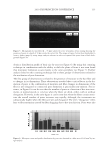
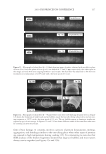
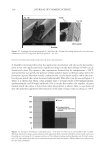
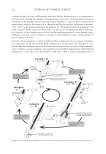
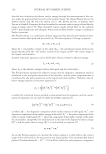
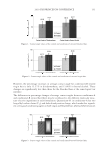
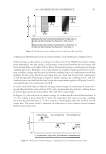
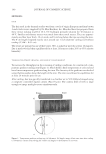
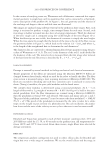
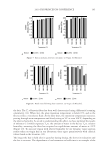
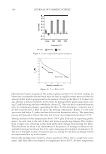
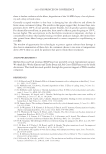
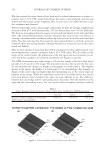
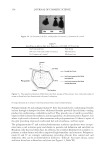
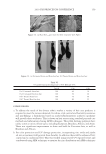
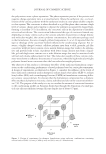
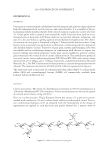
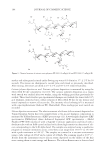
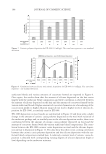
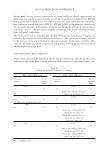
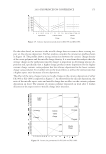
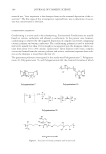
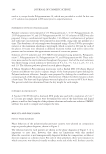
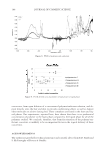
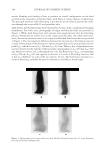
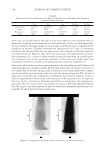
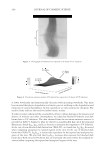
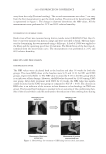
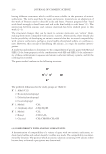
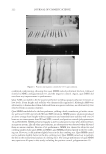
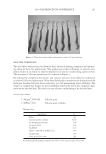
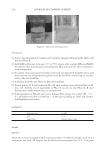
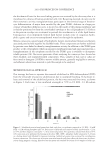
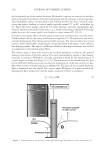
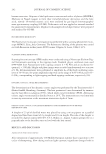
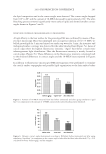
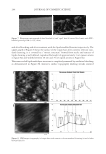
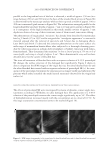
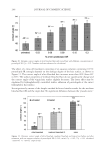
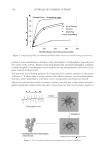
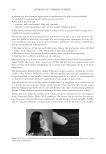
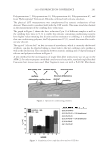
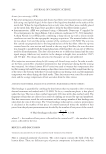
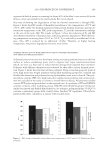
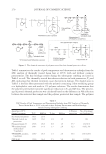
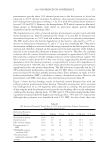
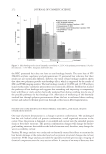
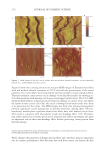
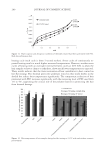
JOURNAL OF COSMETIC SCIENCE 140 METHODS HAIR The hair used in the thermal studies was from a stock of virgin European medium brown 4-inch wide tresses supplied by De Meo Brothers, Inc. Bleached hair was prepared from these tresses soaking in pH of 10.2, 6% hydrogen peroxide solution for 40 minutes at 40°C. Smaller and thinner tresses were made from these stock tresses. They are approxi- mately one fi ber layer thick, 10 cm wide, and 8 cm long below the tape securing the tress. The 8-cm length wrapped exactly once around our 1 inch diameter curling rod without overlap (2.54π = 8.01 cm). The tresses are prepared in one of three states. Wet, is soaked in water for at least 10 minutes. Dry is made wet and then equilibrated for at least 24 hours at either 20% or 65% relative humidity. THERMAL TREATMENT, IMAGING, AND EFFICACY MEASUREMENT To increase the throughput in the screening of curling conditions, we constructed a tem- perature gradient curling iron (Figure 1), which holds a fi xed temperature at each end and has a linear temperature gradient along the iron. The linearity of the gradient was checked using thermocouples along the length of the iron. The iron was allowed to equilibrate for at least 20 minutes prior to use. After curling, hair was quickly transferred to a chamber set to 50% RH and imaged using a computer controlled digital camera (Fuji S5 pro). The camera fi eld of view is large enough to image multiple tresses simultaneously. Figure 1. Temperature gradient curling iron. (a) Schematic. (b) Sample image of hair some time after curling. (c) Geometric construction relating the visible curl length to the diameter of curvature.

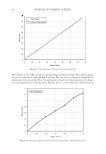
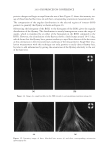
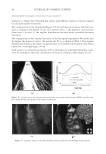
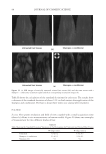
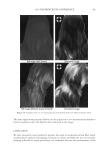
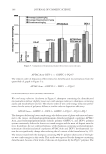
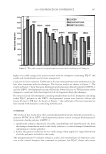
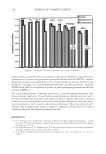
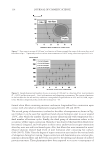
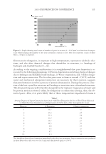
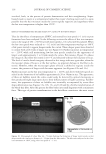
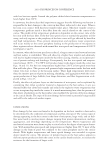
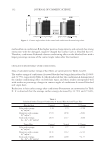
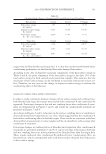
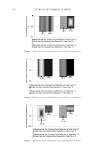
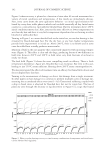
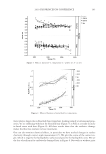
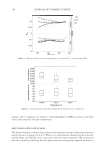
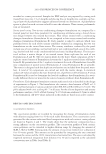
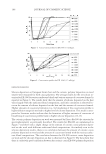
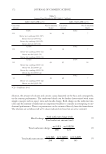
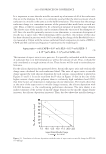
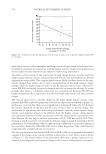
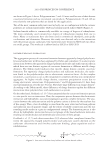
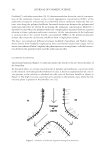
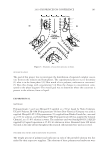
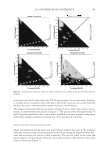
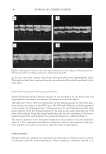
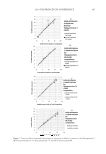
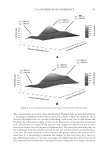
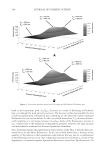
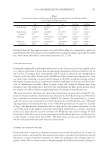
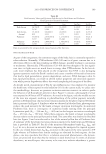
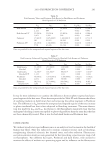
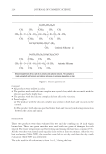
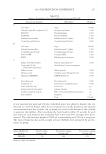
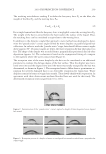
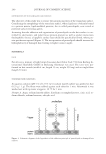
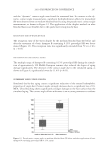
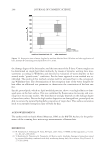
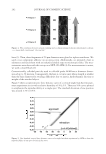
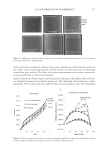
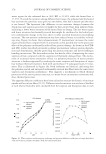
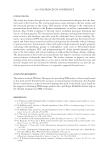
2010 TRI/PRINCETON CONFERENCE 141 In the context of studying water-set, Wortmann and collaborators connected this experi- mental geometry (a single loop curl) to quantities that can be connected to a thermody- namic description of the problem (4). In Figure 1, the curl geometry and the relation of the evolving curl shape to the set and fade time are illustrated. The images are analyzed using software written by the authors in three stages. First, each image is sectioned to produce a single, time-stamped frame for each tress. Second, each tress image is further sectioned into fi ve slices of varying temperatures. Third, the diameter of the tress’ single curl is computed using the visible height of the tress (Figure 1b-c). When the fi ber tips are not visible, the diameter of curvature is simply the tress height. When the tress opens far enough that the bottom of the tress is the tip of the fi ber, we use the geometry shown in Figure 1c, which leads to the relation L/d = sin(Lm/πd) where Lm is the length of the straightened hair to determine the curl diameter d. The diameter data are converted to thermodynamically relevant quantities using the pro- cedure of Wortmann et al. (4,5). The set S is the diameter of the rod (1 inch) divided by the diameter of the curl. The initial set S0 is measured from the fi rst image after removal of the hair from the rod. Recovery is described by R = 1 − S = 1 − d rod /d. DAMAGE ASSESSMENTS Damage is assessed by several methods including mechanical and chemical assessments. Tensile properties of the fi bers are measured using the Diastron MTT-675 Fibers are clamped between brass ferules, which are used by the robot to handle the fi ber. The fi ber cross section is measured using a laser scanning micrometer (Mitutoyo LSM 6100. The fi bers are extended to breaking and each force extension curve is analyzed to extract the elastic (Young’s) modulus, the post-yield modulus and the break stress. The complex shear modulus is determined using a torsional pendulum. An L = 3 cm length of fi ber with a 5 g weight of moment M = 8.85119e-8 kg-m2 is held in the auto- mated pendulum. First the fi ber dimensions are scanned using a Mitutoyo LSM6100, then the pendulum is wound 360° and released. The major and minor axes are a and b. The period of the pendulum’s motion T is used to extract the shear modulus G = 16πLM/ T2(a3b + ab3) The speed of the pendulum is measured by the time it takes for a white stripe on the weight to pass in front of a photodetector. On each oscillation, the pendu- lum slows and the ratio of the velocity on one cycle to the next is used to extract tanδ. EXPERIMENTAL DESIGN Bleached and Virgin hair prepared in each of three moisture conditions (wet, 65% and 20% RH) are curled for 15, 30, or 60 seconds on the gradient iron. All temperatures be- tween 100°C and 225°C were tested. From these tresses, single fi bers were selected for damage assessment. RESULTS The temperature gradient curling iron was used to collect effi cacy data for bleached and virgin hair over a wide range of conditions. We see the overall effects and the range in
Purchased for the exclusive use of nofirst nolast (unknown)
From: SCC Media Library & Resource Center (library.scconline.org)