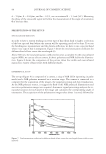
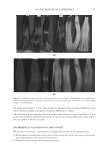
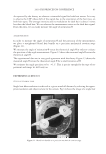
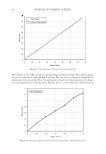
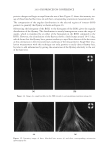
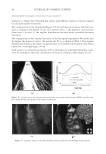
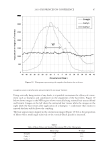
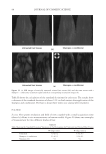
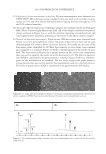
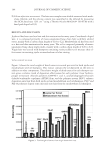
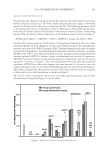
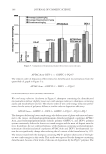
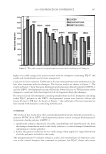
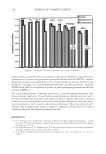
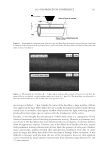
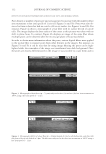
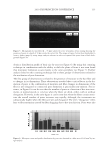
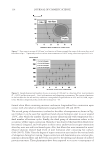
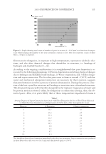
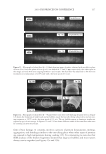
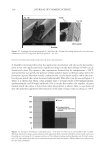
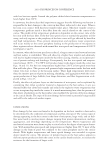
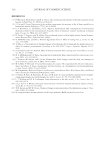
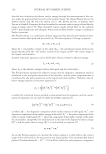
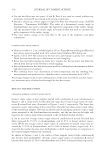
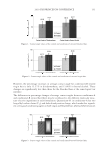
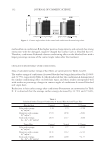
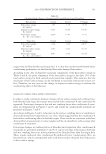
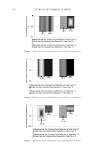
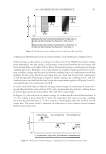
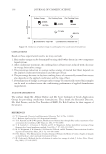
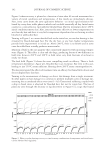
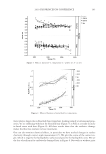
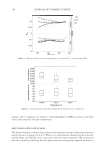
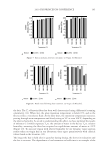
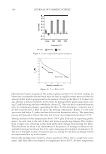
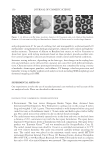
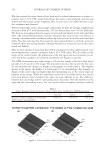
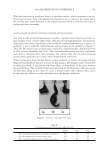
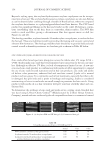
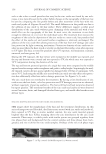
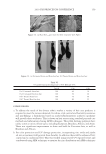
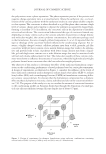
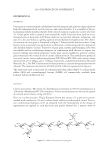
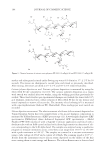
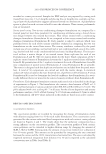
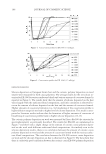
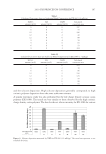
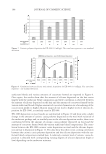
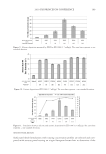
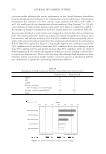
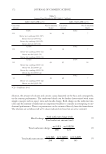
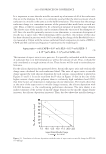
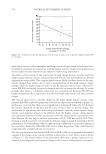
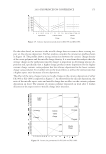
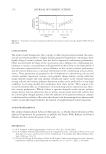
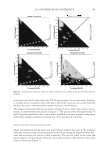
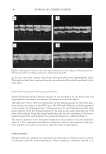
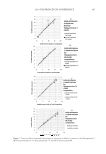
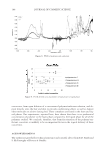
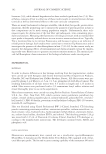
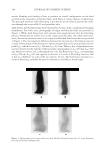
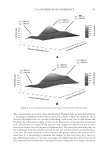
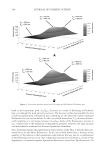
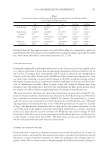
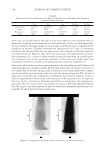
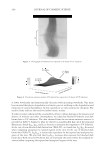
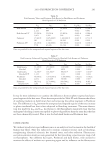
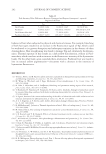
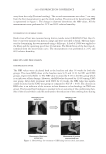
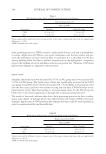
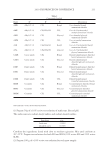
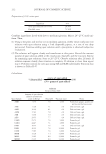
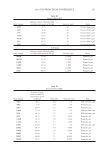
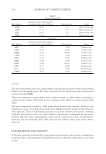
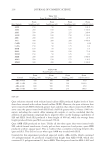
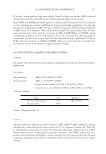
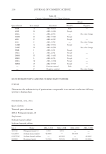
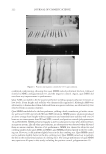
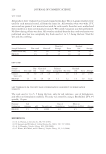
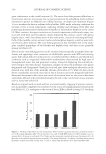
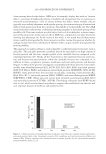
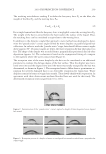
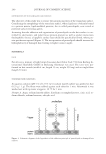
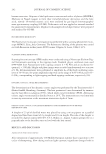
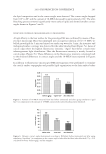
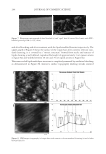
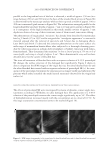
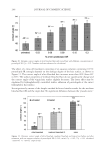
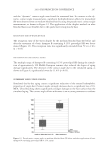
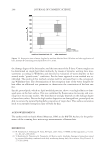
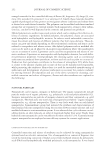
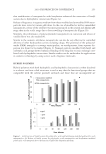
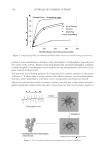
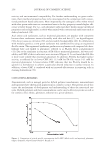
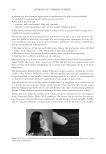
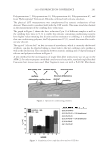
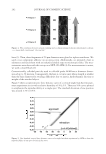
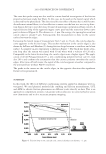
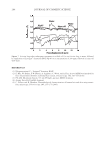
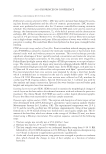
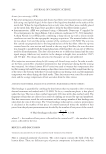
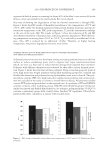
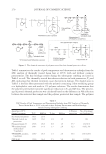
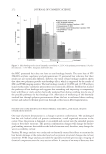
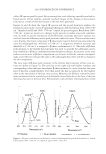
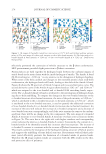
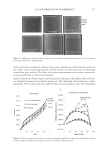
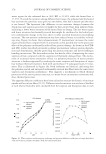
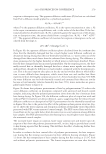
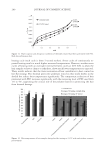
JOURNAL OF COSMETIC SCIENCE 142 Figure 2 where recovery is plotted as a function of time after 60 second treatments for a variety of initial conditions and temperatures. A few trends are immediately obvious. First, every curve shows the same qualitative behavior - an initial rapid relaxation fol- lowed by a very slow, stable phase in which curl can hold essentially all day. Initial water content is a critical factor, especially for bleached hair. But for treatments above 180°C initial conditions matter less. Also, irons are far more effective at lower temperatures on wet than dry hair and there is very little temperature dependence for wet heating in either bleached or unbleached hair. Turning in Figure 3 to a more detailed look at the initial set, we see that heating is det- rimental for bleach-damaged hair. For the dry hair, or any hair, higher temperatures provide little improvement in initial set. Above 200°C, there is no benefi t and in some cases the added heat actually produces worse results. Duration of hold is the one quantity that consistently improves with increasing temper- ature (Figure 4). This effect is clear and also large, producing factors of two difference in hold time between 200°C and 100°C as hold times vary from fractions of an hour to nearly two hours. The fi nal hold (Figure 5) shows the most compelling result on effi cacy. There is little temperature dependence. Again wet, bleached hair is an exception. But even in this case, heating to just 150°C seems suffi cient. Heating above 200°C seems counterproductive. We also investigated the effects of treatment time on effi cacy, but found little of note and do not display these data here. Turning to the measurement of damage we detect this damage from a single treatment. In other papers on hair damage it is common to perform multiple cycles of damage rep- resenting the accumulated effects over time (1–3,6). Extensional stiffening coupled with a drop in break stress is observed for bleached hair, but not for virgin hair. The loss of plasticity seen through the decrease in log-decrement in Figure 6 is a sign that bound Figure 2. Effi cacy results showing recovery vs. time for many combinations of temperature and initial mois- ture for bleached and virgin hair.

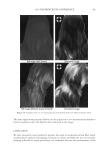
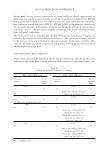
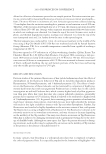
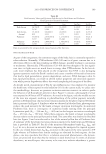
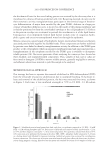
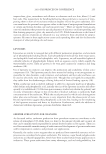
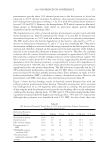
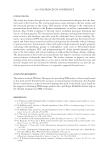
2010 TRI/PRINCETON CONFERENCE 143 water plays a larger role in bleached than virgin hair. Looking simply at extensional prop- erties, we see stiffening with heat for bleached hair (Figure 7) as well as a steady decrease in break stress with heat (Figure 8). All these results show that the oxidative damage makes the fi ber less resilient to heat treatments. One can also monitor chemical effects, in particular we have tracked changes in surface chemistry through contact angle measurement (7). We plot the cosine of the contact an- gle, which is negative for hydrophobic surfaces and positive for hydrophilic ones. We see the loss of resiliency for oxidatively damaged hair in Figure 9. But with or without prior Figure 3. Effi cacy: Initial set vs. temperature (1 - perfect set 0 - no set). Figure 4. Effi cacy: Duration of initial hold vs. temperature.
Purchased for the exclusive use of nofirst nolast (unknown)
From: SCC Media Library & Resource Center (library.scconline.org)