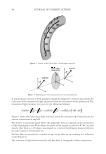
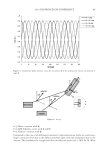
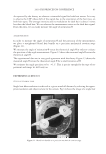
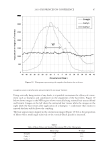
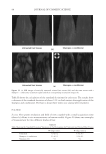
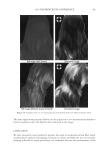
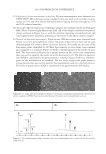
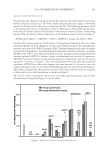
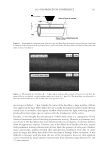
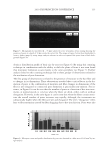
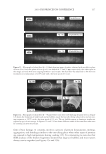
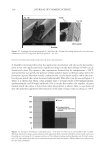
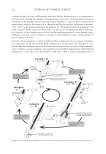
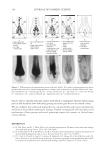
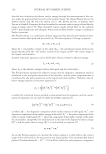
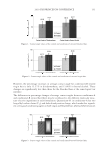
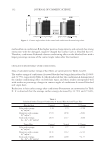
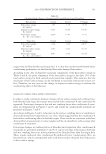
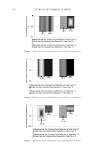
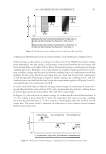
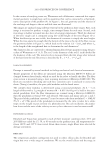
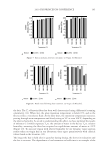
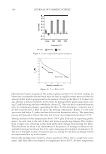
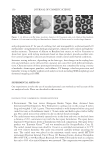
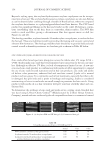
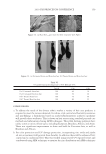
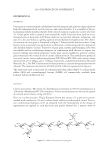
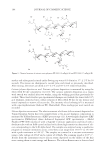
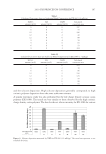
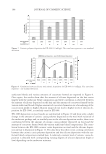
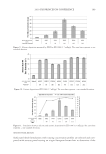
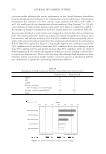
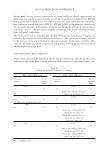
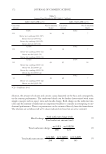
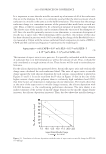
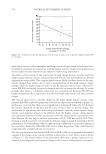
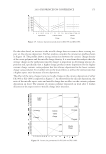
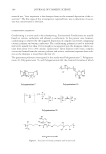
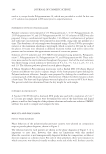
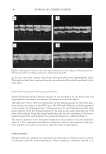
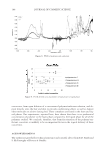
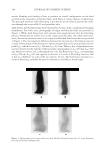
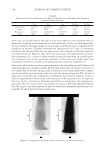
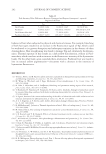
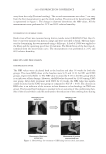
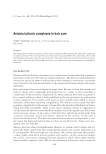
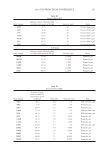
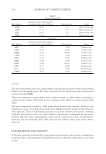
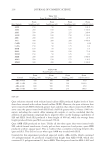
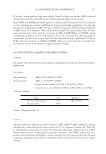
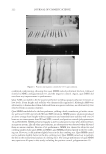
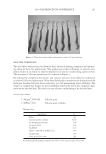
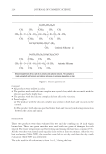
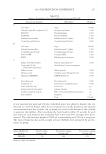
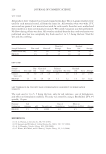
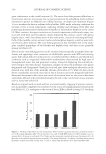
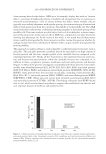
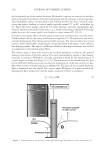
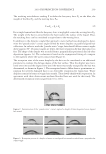
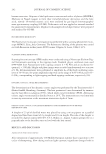
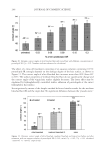
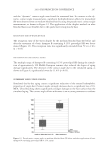
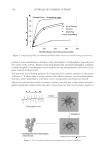
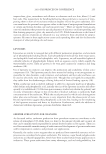
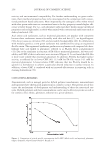
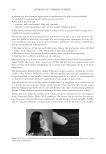
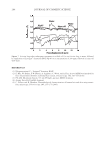
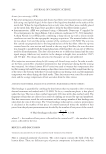
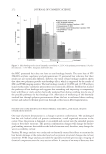
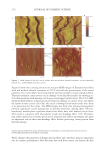
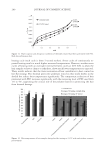
JOURNAL OF COSMETIC SCIENCE 150 and polyquaternium-67 for ease of combing, feel, and manageability acrylates/steareth-20 methacrylate crosspolymer for rheological properties, enhanced style control and high hu- midity resistance. Treatment of African or Brazilian hair tresses as well as Caucasian or Asian hair types with styling treatments based on these products provide excellent anti- frizz control compared to silicones and maintain overall control under humid conditions. Intensive testing indicates, depending on the hair type, that changes in the styling ben- efi ts and attributes can be delivered for a natural, not coated feel with different formula- tions. Characterization of these prototype formulations was completed by using a variety of methods—from expert panelists, curl stiffness, UV damage, color loss protection, and humidity testing to highly sophisticated analytical tools including SEM morphology and elemental mapping and AFM. EXPERIMENTAL METHODS Our experiments involve the use of standard personal care methods as well as state of the art analytical tools. These are described in this section. DIASTRON CYCLIC COMPRESSION: STIFFNESS RETENTION Pretreatment: The hair tresses (European Brown Virgin Hair, obtained from • International Hair Importers, New York) prior to curling were on the average 8 inches long and weighed 3.5±0.1 grams. They were washed in mild shampoo before using and curled wet onto a 22 millimeter (mm) × 70 mm curler and held in place with a bobby pin. The curled tresses were allowed to dry on the lab bench overnight. The curled tresses were uniformly sprayed twice in the front and twice on the back from • a distance of 20.3 centimeters (cm) with the hair spray formulation. The spray device dispensed 190 μl (micro liters) of formulation with each compression. The spray device product was “Euromist ClassicTM” and was manufactured by SeaquistPerfect, Cary, IL. The curled, treated tresses were dried for 1 hour in a controlled environment at 22.5°C and 55% relative humidity. The curler was removed carefully without uncurling the tress. The curled tress was placed in the miniature tensile tester, model MTT160 instrument (Diastron Limited, Unit 9 Focus 303 Business Centre, Andover, Hampshire SP10 5NY UK, or 390 Reed Road, Broomall, PA 19008, USA) and the work to compress the curl to 50% of its initial diameter was measured. The compression was repeated fi ve Figure 1. (a) African oval-fl at shape moderate diameter. (b) Caucasian semi-oval elliptical fi ne/moderate diameter. (c) Latin semi-oval elliptical fi ne/moderate diameter. (d) Asian round to circular large diameter.

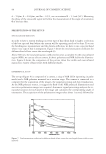
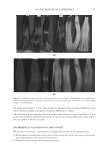
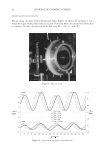
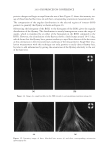
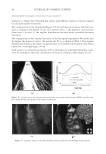
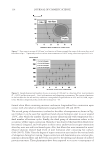
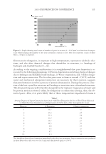
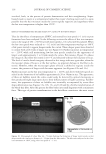
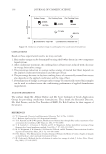
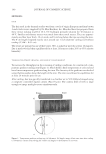
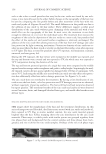
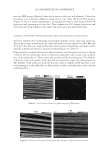
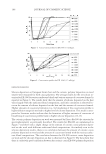
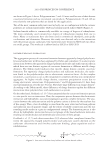
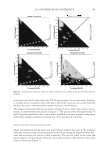
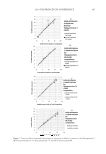
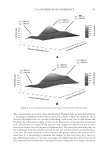
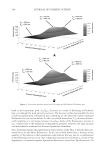
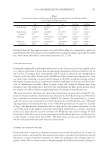
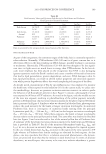
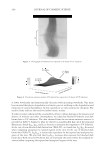
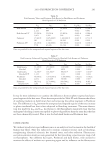
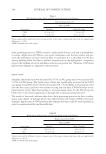
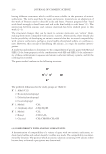
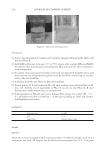
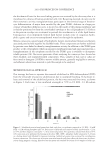
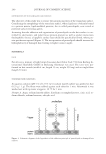
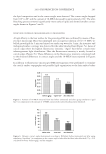
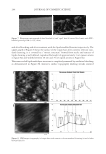
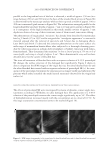
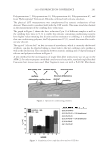
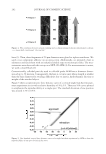
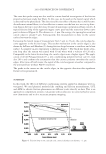
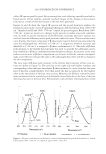
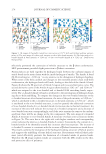
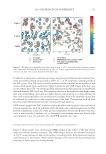
2010 TRI/PRINCETON CONFERENCE 151 times for each tress. Measurements were made at about 22.5°C and 55% relative humidity. The percent stiffness retention was determined by the following equation: % stiffness retention = (w5/wi) × 100, where wi is the work of the fi rst compression and w5 is the work needed to compress the curl on the fi fth consecutive compression. In this test, good stiffness retention is taken to be a measure of good durability on the hair. HIGH-HUMIDITY CURL RETENTION TEST Curled tresses were prepared and treated as in the DiastronTM curl compression test above. After drying, the curlers were gently removed from each tress and curls were suspended by clips in a humidity chamber at room temperature and approx. 90% relative humidity. Initial curl length was recorded. The length of the curled tresses was recorded at intervals over 4 h. Curl retention is determined as [(L (0)-L(t))/L(0)-L(i))×100] where L(0) is fully extended curl length, L(i) is initial curl length and L(t) is curl length at a specifi c time. ATOMIC FORCE MICROSCOPY For the AFM analysis, samples of hair were removed from the tresses approximately 3-4 cm from the binding at the root end. One to two inch pieces of cut hair was then glued to a glass slide using "fast dry" liquid paper. One set of images consisting of a 20 um and 100 um were obtained from each hair. Three hairs were imaged from each tress. Images of the sample surfaces were obtained using a Bruker D 5000 AFM (Bruker, Santa Barbara, CA) and an OTESP tip (Bruker) operated in a conventional mode with height images being collected. Subsequent image analysis was determined using a SPIPTM software package. SCANNING ELECTRON MICROSCOPY: MORPHOLOGY & ELEMENT MAPPING The samples were mounted on an Al plate and Au/Pd coated for 60 sec. SEM images • were collected with the Hitachi S-3400N VP-SEM, at an accelerating voltage of 15.0 KeV, a probe current setting of ∼65, and a chamber pressure of 15 Pa. X-Ray maps were collected under the same operating conditions with the Thermo Noran SD detector for 200 sec. There are two contrast mechanisms in the SEM: edge contrast (where sharp edges • appear bright) and atomic number contrast (where species of higher atomic number appear brighter than those of lower atomic number). RESULTS AND DISCUSSION AFM RESULTS FOR ENHANCED SHINE Images were taken of untreated Caucasian, African, and Latin hair using the AFM and initial surface roughness values were obtained using the SPIPTM image analysis software.
Purchased for the exclusive use of nofirst nolast (unknown)
From: SCC Media Library & Resource Center (library.scconline.org)