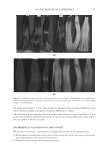
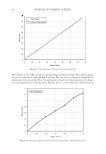
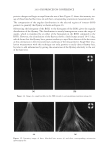
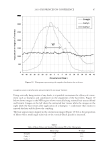
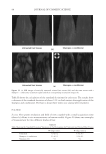
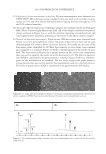
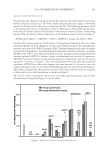
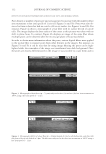
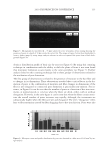
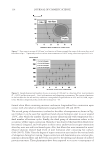
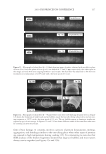
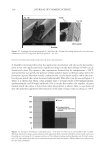
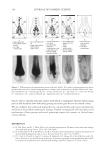
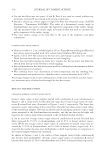
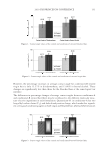
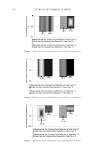
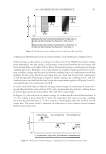
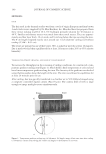
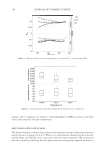
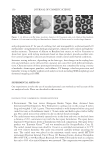
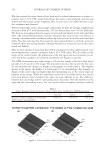
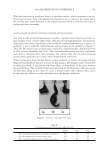
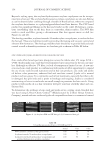
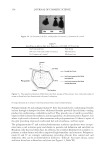
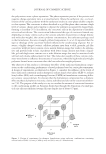
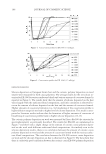
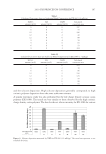
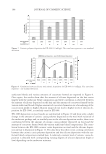
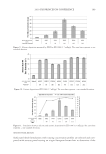
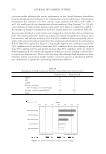
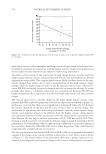
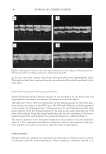
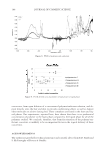
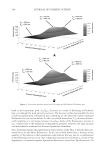
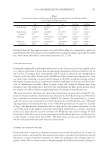
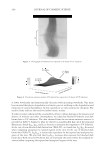
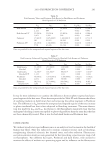
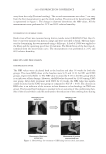
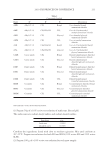
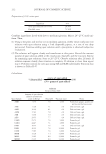
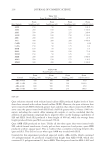
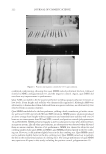
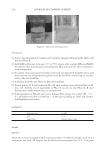
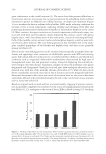
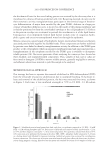
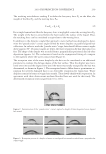
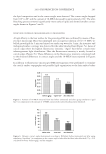
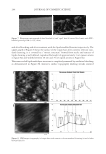
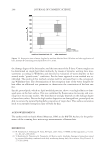
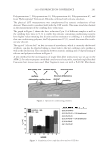
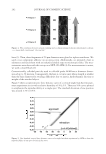
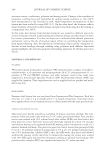
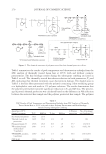
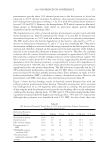
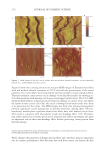
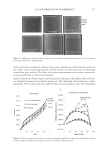
JOURNAL OF COSMETIC SCIENCE 152 We then treated the same identical hair shaft with acrylates/hydroxyesters acrylates co- polymer from a 55% VOC pump formulation hair spray, and reanalyzed each hair and determined the average surface roughness (Ra). In each case a noticeable decrease in sur- face roughness was obtained. We have found that across a broad range of hair types we have the average roughness has decreased from 87% for Caucasian hair, 35% for African hair, and 31% for Latin hair. The decrease in roughness directly equates to increased smoothness on the individual hair shaft. The acrylates/hydroxyesters acrylates copolymer hair fi xatives are very effective at creating a smoother surface and hence enhancing shine on a micro level on individual hair shafts. The data indicates that Caucasian hair types responded best to alcoholic sprays for enhanced shine and styling benefi ts, although benefi ts are achieved across all hair types tested (see Table I). Here we have images of Caucasian hair before treatment and after application of acry- lates/hydroxyesters acrylates copolymer from a 55% VOC spray. We can clearly see the ridges of the cuticles before the application of the hair spray and after treatment we ob- serve much less roughness, or increased smoothness (see Figures 2a and 2b). The AFM measurement was taken along a 100-micron length of the hair shaft which provides 10-20 cuticles in the image. The instrument moves a fi ne tip over the hair cuti- cle and measures the changes in height or topography or overall surface. The brighter feature in the image, the higher it is with respect to its surroundings. For example, in Figure 2a the cuticle edges are higher than the surrounding area, so the cuticle edges are brighter in the image. When the individual cuticles have been fl attened or the cuticles have been fi lled in after treatment the edges are more diffi cult to see. The difference between the cuticle edge and the surrounding area is much less. Now the difference in the edge and the surrounding area is less, the overall surface roughness has been reduced. Table I Surface Roughness Reduction Across a Variety of Hair Types, Confi rmed by AFM Measurements Caucasian African Latin Decrease in surface roughness as measured by AFM (average 3 measurements) 87% ± 9.3 35% ± 5.9 31% ± 5.6 Figure 2. (a) Pre-treated hair shaft. (b) Post-treated hair shaft.

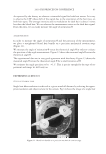
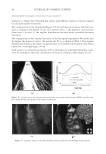
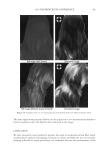
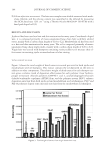
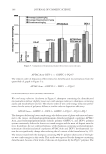
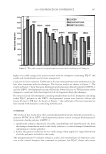
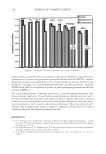
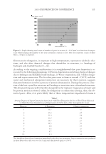
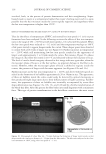
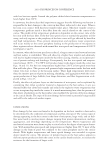
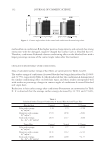
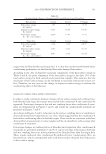
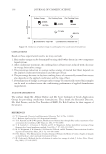
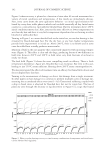
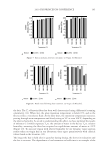
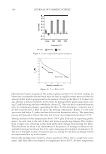
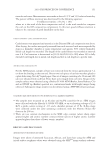
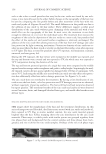
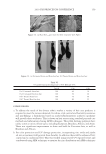
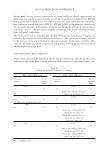
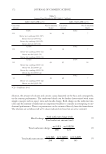
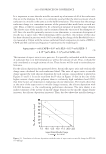
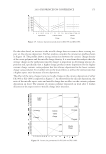
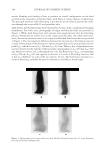
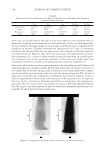
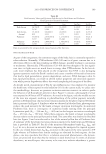
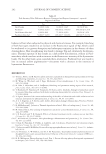
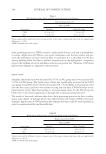
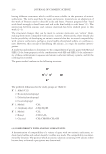
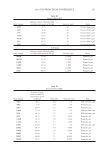
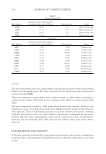
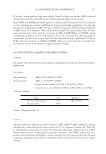
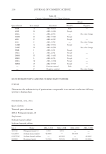
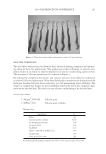
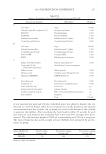
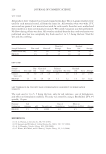
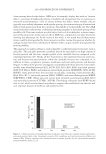
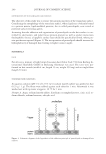
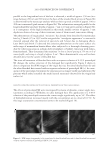
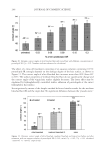
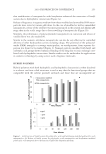
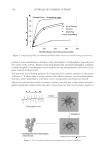
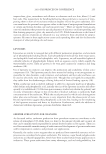
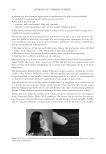
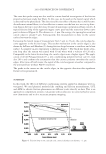
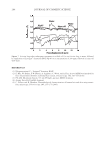
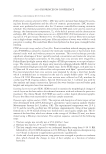
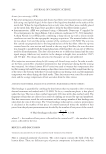
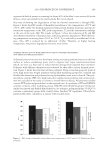
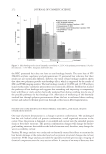
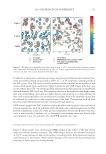
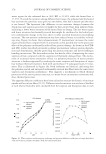
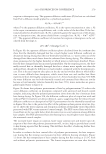
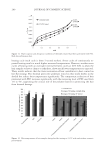
2010 TRI/PRINCETON CONFERENCE 153 With the reduction in roughness there is a smoother surface, which correlates to an im- provement in shine. Again this benefi t was observed across a variety of hair types where the cuticles were either fl attened or the valleys have been fi lled in with the thin layer of styling and shine treatment. ACRYLATE-BASED TECHNOLOGY RESULTS FOR HOLD AND NON-FLAKING Not only do the acrylates/hydroxyesters acrylates copolymer hair fi xatives provide en- hanced shine across a variety of hair types, they also provide high humidity curl retention. Asian hair tresses were curled then treated with the acrylates/hydroxyesters acrylates co- polymers 1 and 2, with the control silicone spray pictured in the middle (see Figure 3 Table II). The tresses were air dried, then exposed to a high-humidity chamber for 8 hrs at 90% relative humidity and 30°C. The acrylates/hydroxyesters acrylates copolymers were able to maintain their style retention and control while the silicone-containing product had signifi cant loss in style control under humid conditions. When the hairspray dries, the hair fi xative creates a network of “welds,” the polymer forms fi lms between hair fi bers that act to secure the hair in place. The polymer can be distributed as either spot welds, at the intersection of two fi bers, or seam welds, in the space between two parallel fi bers. This network of spot and seam welds are distributed in a thin layer across the hair shaft fi lling in the valleys to create a smooth surface that enhances shine and a bound network of fi bers for enhanced hold even under humid conditions. Figure 3. Asian hair: 8 hrs, 90% RH, 30°C. Table II % Curl Retention after 8 hrs at 90% RH and 30°C Initial 4 hrs 8 hrs Fig. 3a Acrylates/hydroxyesters acrylates copolymer 1 100 95 90 Fig. 3b Commercial silicone/polymer spray 100 70 45 Fig. 3c Acrylates/hydroxyesters acrylates copolymer 2 100 90 85
Purchased for the exclusive use of nofirst nolast (unknown)
From: SCC Media Library & Resource Center (library.scconline.org)