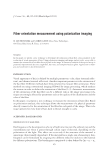
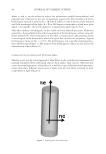
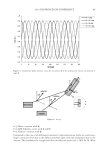
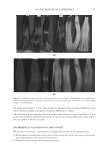
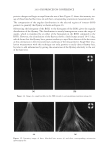
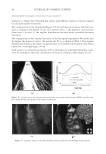
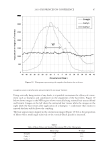
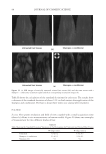
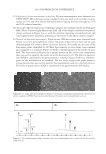
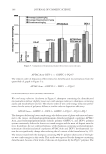
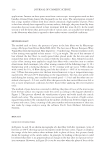
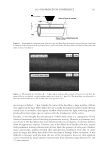
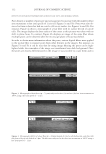
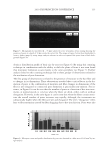
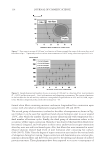
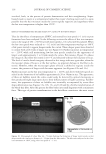
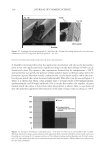
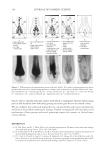
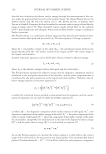
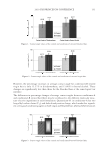
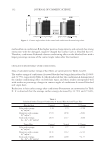
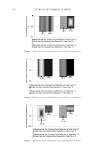
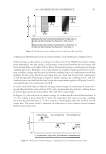
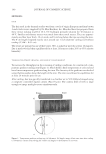
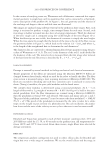
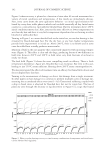
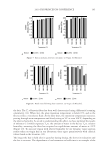
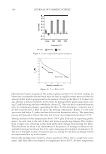
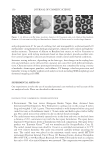
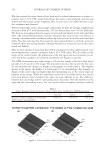
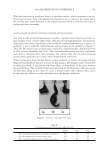
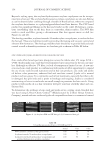
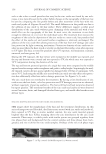
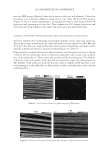
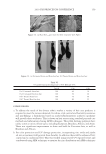
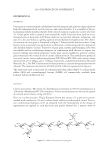
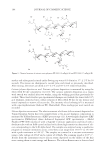
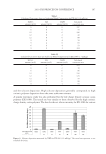
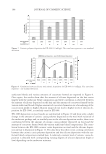
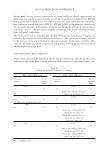
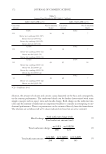
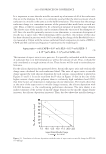
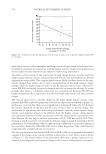
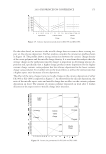
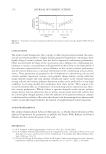
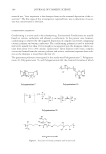
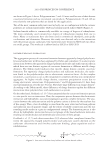
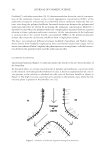
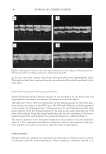
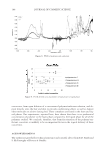
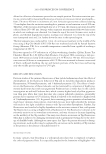
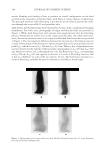
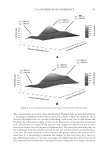
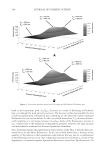
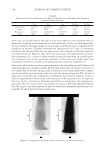
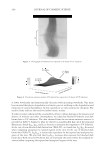
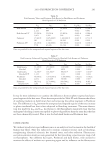
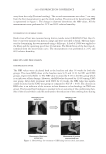
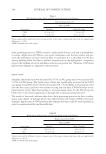
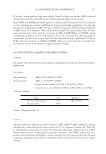
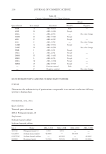
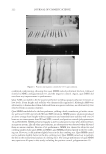
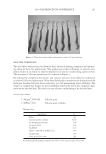
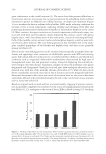
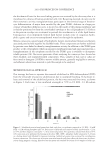
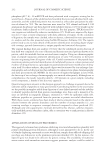
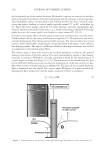
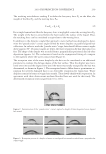
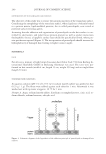
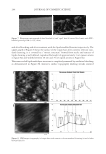
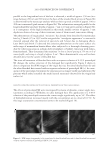
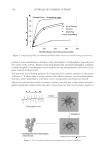
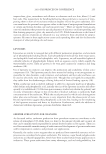
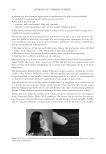
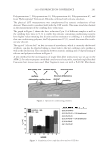
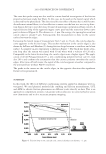
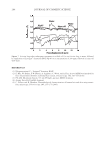
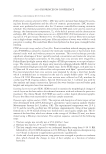
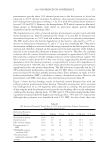
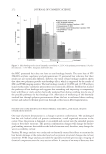
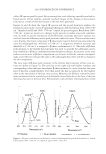
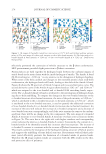
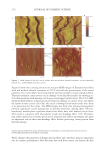
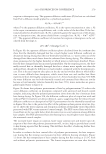
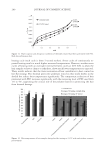
JOURNAL OF COSMETIC SCIENCE 156 such as the scales or small particles that may be the zinc oxide was found by one tech- nique, it was typically seen by the other. Subtle changes in the topography of the hair may be seen by comparing the line profi le before and after treatment of the hair with zinc oxide and jojoba oil (Figures 6b and 6d). The small differences in the profi le are due to the addition of zinc oxide to the hair surface. These differences suggest a rather good distribution of the zinc oxide without gross clumping of the material and with a very small effect on the topography of the hair. In most cases, the treatment is not thick enough to obliterate or cover over the individual scales. The treatment does increase the roughness of the scales by deposition of the zinc oxide on a nano scale, but panelists feel the effect of the jojoba oil, and overall surface roughness is relatively unchanged. The addition of the zinc oxide then allows protection of the hair from UV damage and color loss protection by light-scattering mechanism. Distinctive domains of zinc oxide are ev- ident in areas where the hairs touch or overlay on the hair fi ber surface even after exposure to UV light. The hair, as tested by panelists after UV exposure, still maintains a natural, uncoated, and non-greasy feel. During the UV exposure, the hair tresses were clamped so the middle was exposed, and the top and bottom were covered and not exposed to UV the whole tress was exposed to 50°C temperature during the duration of the test. The top and bottom protected portions of a single hair tress were compared to the middle exposed area for average surface roughness and peak to valley height. Surprisingly, the mid- dle exposed cuticles did not appear uplifted or damaged after 168 hrs of continuous 313λ nm at 50°C. Indicating the middle area treated with zinc oxide not only offers color protec- tion but additionally offers hair surface damage protection. See Figures 7a, b, and c. The zinc oxide does not overshadow the treatment. By having a fi ne distribution of zinc oxide across the hair shafts, color loss protection and UV damage protection are obtained, without negatively impacting aesthetics. The hairs still feel and look natural as observed by expert panelist. The treatment benefi ts of the zinc oxide and jojoba oil were observed across Caucasian, Latin, and damaged bleached hair types and would offer benefi ts across all hair types. SEM ZINC MAPPING RESULTS FOR ZINC OXIDE AND JOJOBA OIL SEM images show the morphology of the hair and the treatment distribution. In this series of images we used bleached, dyed hair tresses treated with zinc oxide and jojoba oil, then exposed to UV. Due to atomic number contrast, the zinc oxide material appears brighter than the hair. X-Ray mapping shows the zinc distribution for the zinc oxide materials. Phase maps, in which pixels with similar spectra are grouped together, show two phases (hair and background) for the control samples and three phases (hair, back- ground, and zinc-rich) for the zinc oxide samples. Overlays of the zinc-rich phase maps Figure 7. (a) Top covered. (b) Middle exposed. (c) Bottom covered.

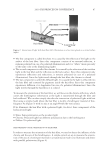
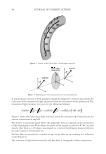
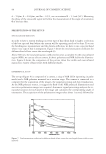
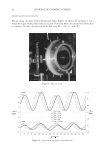
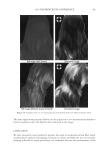
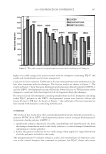
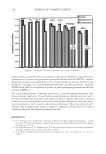
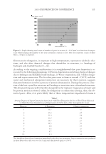
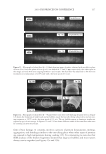
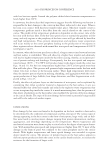
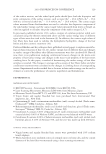
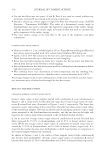
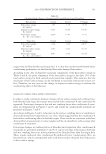
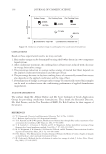
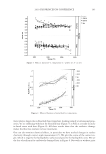
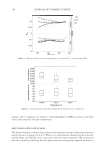
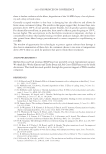
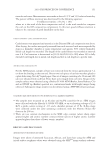
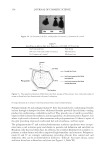
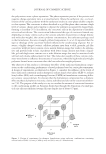
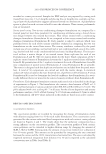
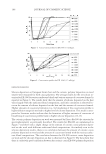
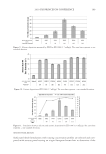
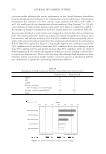
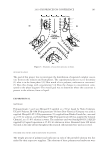
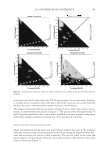
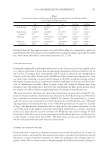
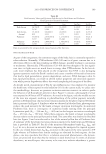
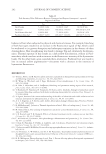
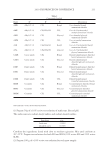
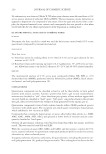
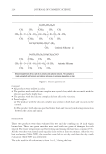
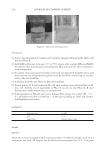
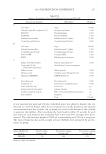
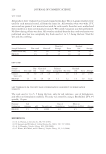
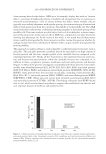
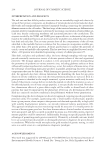
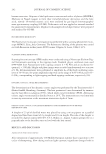
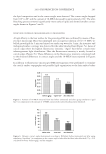
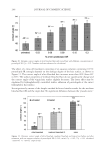
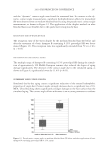
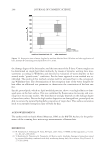
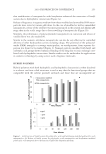
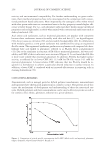
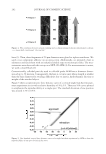
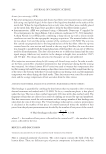
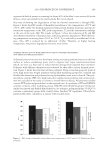
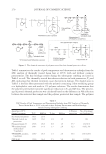
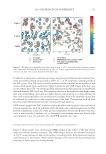
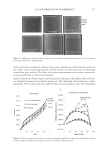
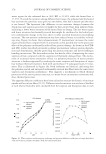
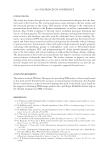
2010 TRI/PRINCETON CONFERENCE 157 onto the SEM images (Figure 8) show the location of the zinc-rich domains. There does not appear to be a dramatic difference based on hair type. After 168 hrs of UV exposure, (Figure 9), the zinc oxide morphology is unchanged and there is continuous UVA/UVB protection and prevention of color loss. This confi rms the UV damage protection and color loss protection benefi ts of zinc oxide and jojoba oil across many hair types. ANTI-FRIZZ AND HUMIDITY RESULTS FOR ZINC OXIDE AND JOJOBA OIL ON AFRICAN HAIR To better simulate the conditioning and antifrizz benefi ts of zinc oxide and jojoba oil, African hair tresses treated with zinc oxide and jojoba oil were exposed to 90% RH and 30°C for 4 hrs. The zinc oxide/jojoba oil treated tress has reduced frizz and more control than the commercial control or untreated control (Figure 10 Table V). Expert panelists evaluated hair tresses after treatment, and the results are show in Figure 11 below. The feel of the hair tresses is improved compared to the control cream without zinc oxide and jojoba oil. These tresses felt smooth and did not feel greasy. The addition of the zinc oxide to the surface of the hair did not negatively impact the other properties. The benefi ts of the jojoba oil would be for very curly or tightly curled hair that is not easily managed, such as Brazilian or African hair. It offers controlled frizz and a smooth conditioned feel. Figure 8. (a,b) Overlays of zinc-rich phase maps onto SEM images. Figure 9. Overlay on UV-exposed (a) European bleached hair and (b) Brazilian curly hair.
Purchased for the exclusive use of nofirst nolast (unknown)
From: SCC Media Library & Resource Center (library.scconline.org)