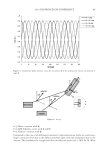
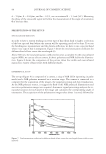
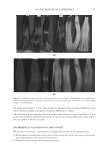
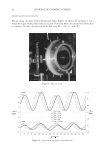
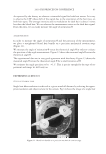
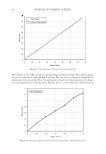
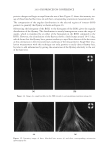
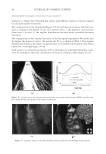
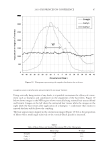
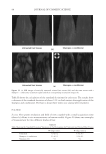
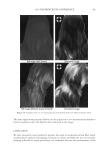
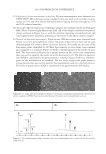
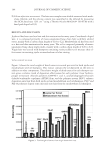
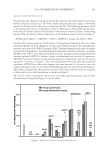
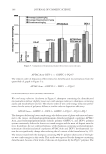
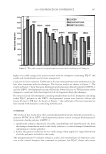
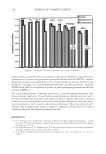
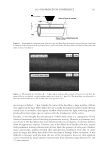
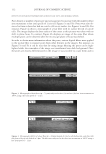
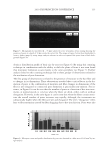
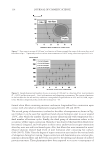
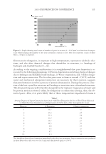
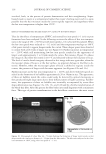
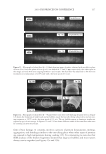
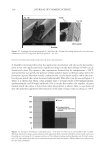
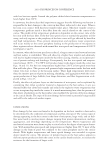
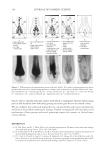
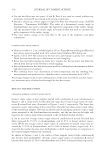
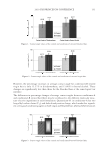
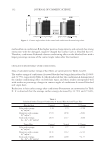
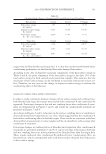
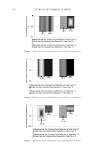
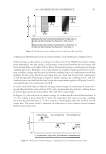
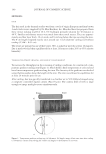
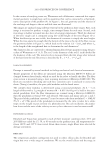
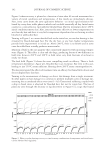
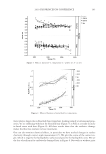
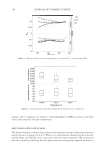
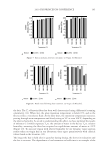
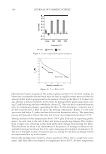
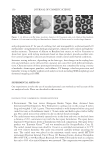
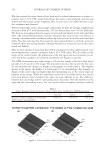
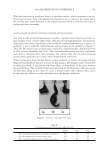
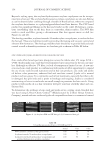
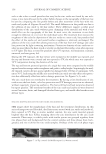
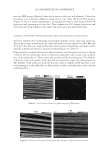
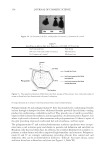
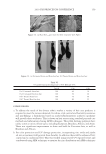
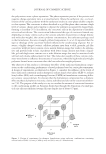
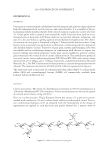
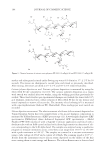
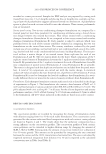
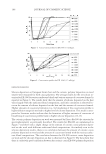
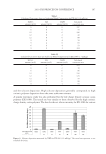
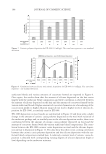
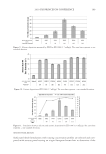
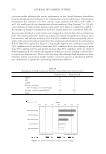
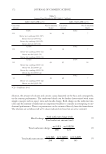
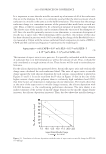
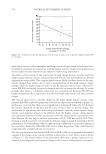
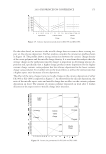
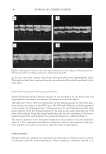
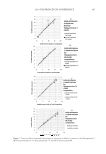
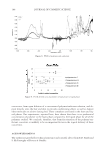
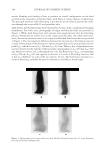
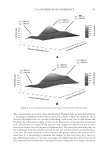
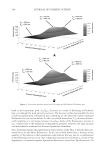
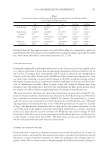
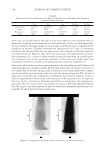
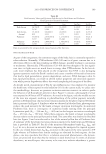
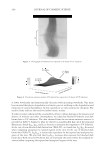
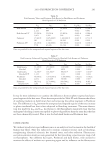
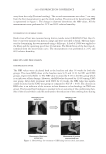
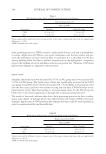
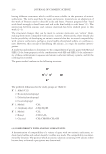
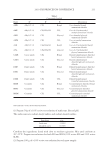
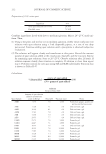
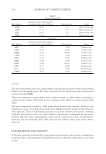
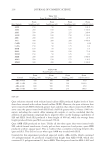
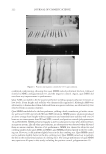
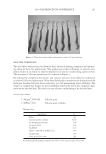
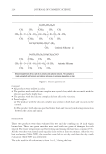
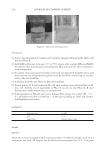
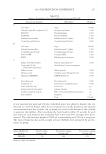
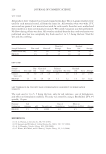
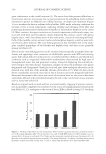
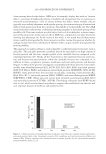
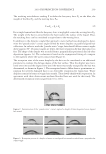
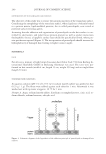
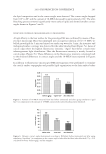
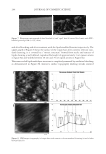
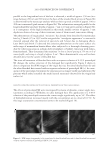
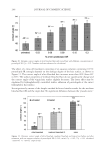
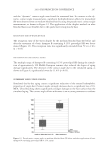
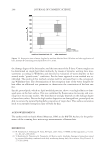
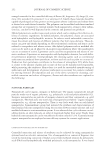
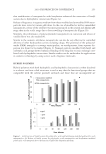
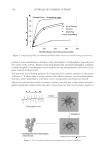
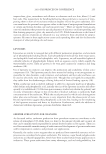
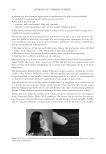
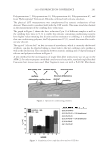
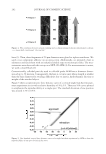
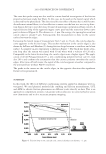
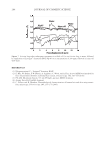
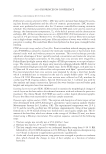
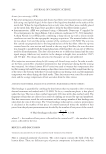
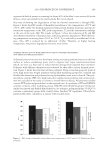
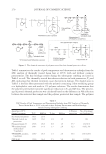
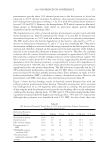
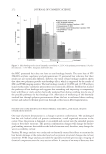
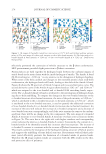
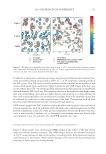
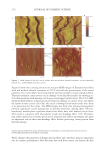
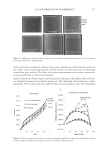
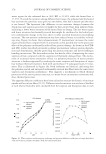
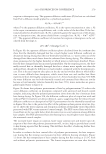
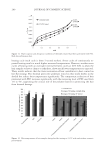
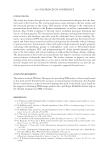
JOURNAL OF COSMETIC SCIENCE 158 POLYQUATERNIUM 10 AND 67 FOR ENHANCED FEEL AND CONDITIONING Polyquaternium-10 and polyquaterniun-67 have functionality for conditioning benefi ts on hair through a shampoo but have additional benefi ts provided directly from a styling product for conditioning, combability and feel. They provide ease of comb (wet and dry), improved feel (softness/smoothness), and manageability. As demonstrated in Figure 12a,b where a split end is observed, after treatment with polyquaternium 10 there is repair of the split providing improved conditioned feel and smoothness, and hair repair. The polyquaternium-67 and acrylates/hydroxyesters acrylates copolymers were incorpo- rated into a curl activator spray and shown to provide curl defi nition and anti-frizz on Brazilian curly hair and Asian hair. In addition, the acrylates/hydroxyesters acrylates co- polymer is a fi lm former and aids in improved high-humidity curl retention. Polyquater- nium-10 and 67 are strongly conditioning, providing effi cient frizz control and curl defi nition they can be recommended for normal to “diffi cult” hair types (frizzy, curly) and from Asian hair to Brazilian curly hair (see Figure 13 Table VI). Table V Anti-Frizz on African Hair after Exposure to 90% RH, 30°C for 4 hrs 10a Untreated hair Very frizzy 10b Zinc oxide and jojoba oil-treated Minimal frizz 10c Commercial control Moderate frizz Figure 11. Hair panelist evaluation of Brazilian Latin hair, average of three tresses. Zinc oxide and jojoba oil cream on Latin hair hair characteristics by panel evaluation. Figure 10. (a) Untreated. (b) Zinc oxide/jojoba oil-treated. (c) Commercial control

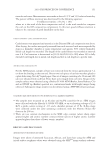
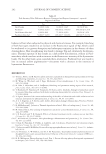
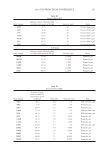
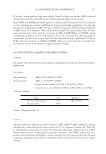
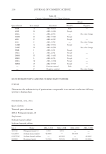
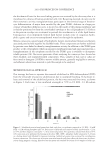
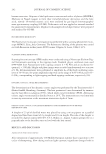
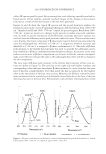
2010 TRI/PRINCETON CONFERENCE 159 CONCLUSIONS a. To address the needs of the diverse ethnic market a variety of hair care products is required to meet the various demands. For shine, style control and humidity resistance and non-fl aking: a formulation based on acrylates/hydroxyesters acrylates copolymer will provide these attributes. This is shown on hair tresses using standard personal care methods and substantiated using AFM techniques. These fi lm forming polymers have utility across a variety of hair types, including European, Brazilian, African, and Asian. There was signifi cant improvement in shine and hold for Caucasian hair, as well as Brazilian and African. b. For color protection and UV damage protection, incorporating zinc oxide and jojoba oil into a treatment will provide these benefi ts. In addition there will be enhanced frizz control and a conditioned feel. This was verifi ed using treated UV exposed tresses and corroborated using SEM techniques to monitor the zinc distribution and AFM techniques Figure 12. (a) Hair fi ber—split end. (b) After treatment with PQ10. Figure 13. (a) Untreated Asian and Brazilian hair. (b) Treated Asian and Brazilian hair. Table VI % Curl Retention after Exposure to 90% RH and 30°C Initial 4 hr 8 hr 13a1 Untreated Asian hair 100 40 10 13a2 Untreated Brazilian hair 100 50 20 13b1 Treated Asian hair 100 70 50 13b2 Treated Brazilian hair 100 80 55
Purchased for the exclusive use of nofirst nolast (unknown)
From: SCC Media Library & Resource Center (library.scconline.org)