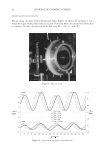
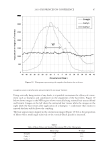
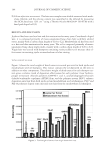
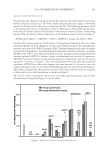
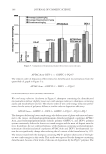
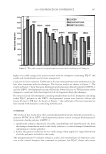
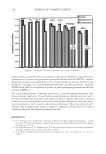
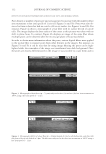
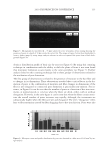
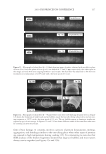
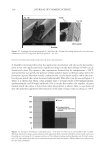
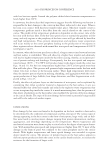
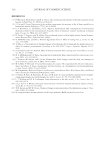
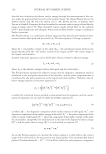
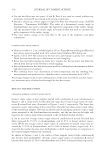
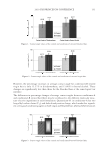
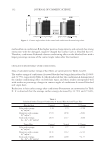
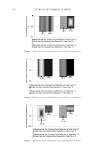
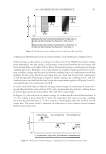
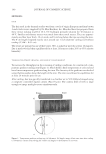
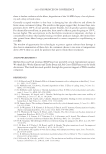
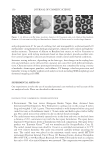
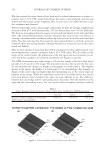
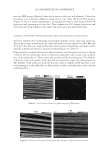
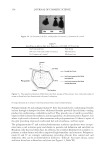
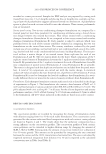
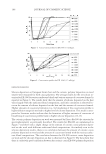
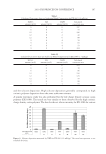
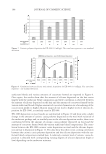
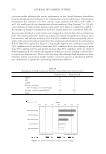
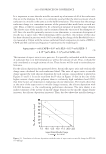
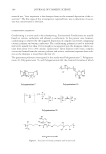
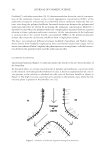
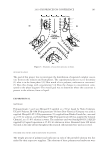
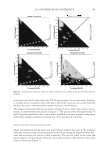
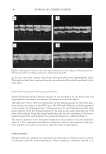
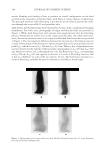
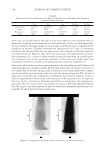
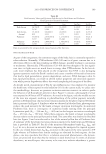
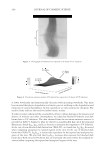
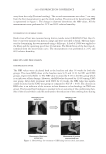
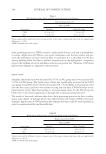
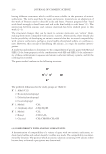
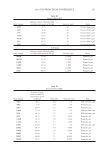
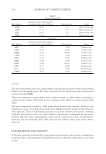
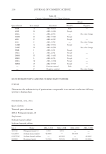
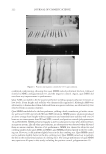
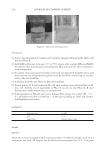
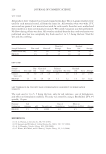
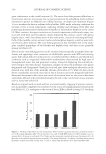
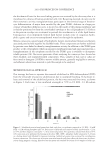
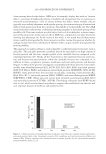
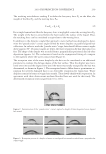
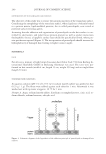
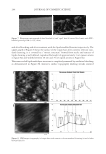
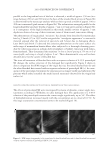
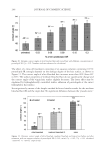
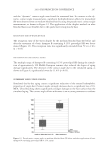
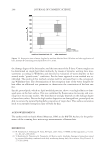
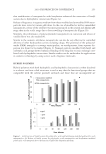
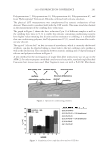
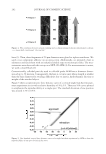
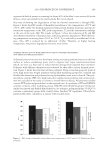
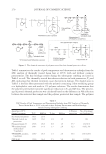
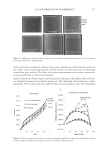
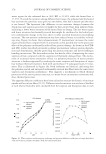
JOURNAL OF COSMETIC SCIENCE 170 coacervate profi le infl uences the sensory performance on hair. Several shampoo formulation from the design reported in Figure 1 are compared for sensory performance. The shampoo formulation also contains 0.25 wt% cationic cassia polymer (EX-906 or EX-1086), 2 wt% of a small particle size dimethicone silicone emulsion (Dow Corning® 2-1352 sili- cone emulsion (0.5 μm average particle size)), and 1 wt% NaCl it is adjusted to pH of 7. An example of shampoo formulations used in a sensory panel test is shown in Table III. As previously described, several criteria were compared as a forced choice between hair tress pairs. The sensory panel tests results are analyzed for statistical signifi cance using an exact binomial test, and only the results at 95% and 99% confi dence levels are reported. An ex- ample of the statistical analysis results from the comparison of formulation A to formulation B from Table III is reported in Figure 12. Statistically superior wet combing (at more than 99% confi dence level), wet feel (at more than 99% confi dence level), dry combing (at more than 99% confi dence level), and dry feel (at more than 95% confi dence level) are achieved with formulation B. No statistically signifi cant difference in static buildup is observed be- tween the two formulations. These results also show that although both formulations show relatively similar coacervation profi les (similar coacervate amount as reported in Table I), they demonstrate a signifi cant conditioning performance difference. Table III Formulation A and B Composition Used for a Sensory Panel Test (all wt% active) Formulation A Formulation B SLES-3 6 9 SLS 8 4 CAPB 6 4 Silicone emulsion, Dow Corning® 2-1352 (0.5 μm) 2 2 Cationic cassia polymer EX-906 0.25 0.25 NaCl 1 1 Figure 12. Statistical analysis of sensory panel testing.

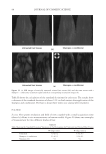
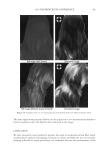
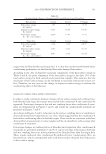
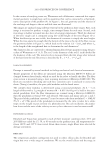
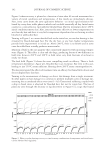
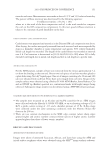
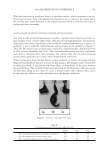
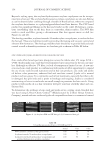
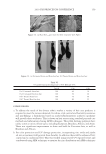
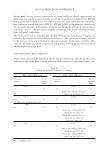
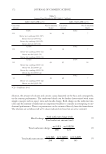
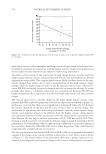
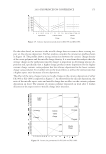
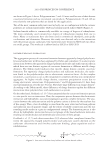
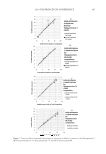
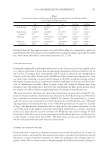
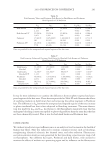
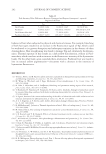
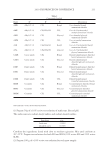
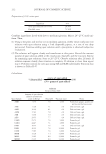
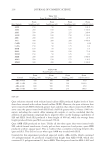
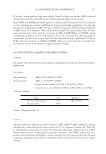
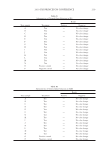
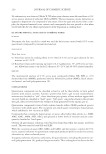
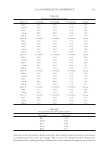
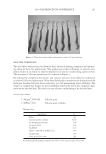
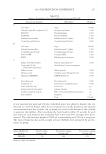
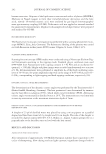
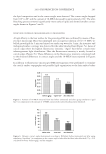
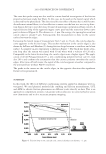
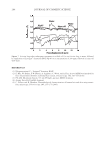
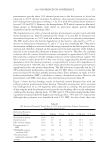
2010 TRI/PRINCETON CONFERENCE 171 Several panel sensory testing comparisons of varied surfactant blend compositions are performed in a similar manner, and the results are summarized in Table IV for EX-906 formulations and in Table V for EX-1086 formulations. Each table describes the surfac- tant combination used (amounts of SLES-3, SLS and CAPB) in the shampoo formulation, the coacervate amount calculated for each surfactant blend, the amount of silicone depos- ited on the hair (i.e., the net silicon intensity in kcps) and the statistical analyses results from each panel comparison. The results show that for both EX-906 and EX-1086, sensory performance is highly cor- related to the amount of silicone deposited on hair (i.e., the net silicon intensity) and not to the amount of coacervate formed. Conditioning sensory performance is highly infl u- enced by the surfactant blend composition and is well predicted by the measurement of silicone deposited on the hair. SURFACTANT BLEND CHARACTERIZATION As previously discussed, the surfactant blends used in combination with the cationic cassia polymers in this study have a strong infl uence on the amount of coacervate formed upon Table IV Sensory Panel Results for EX-906 (3.0 mEq/g) SLES-3/SLS/CAPB (wt%) SLES-3/SLS/CAPB (wt%) Coacervate amount Net Si intensity (kcps) Coacervate amount Net Si intensity (kcps) 6/0/6 12/8/2 247 49 43 74 Better dry combing (99% CL)* Better dry feel (95% CL) 9/0/4 12/8/2 184 58 43 74 Better wet combing (99% CL) 12/8/6 12/8/2 88 4 43 74 Better wet combing (99% CL) Better wet feel (99% CL) Better dry combing (99% CL) Better dry feel (99% CL) Less static (95% CL) 6/8/6 9/4/4 55 2 59 29 Better wet combing (99% CL) Better wet feel (99% CL) Better dry combing (99% CL) Better dry feel (99% CL) *CL = Confi dence level.
Purchased for the exclusive use of nofirst nolast (unknown)
From: SCC Media Library & Resource Center (library.scconline.org)