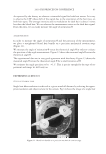
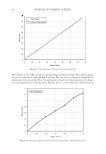
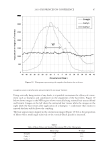
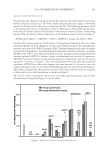
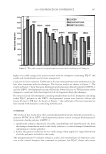
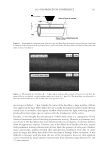
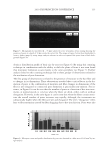
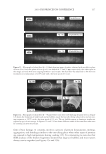
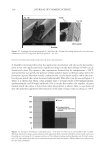
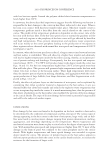
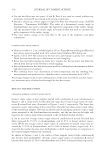
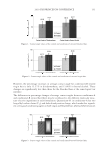
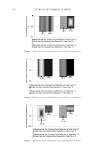
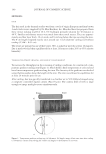
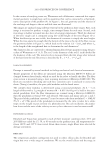
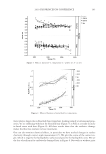
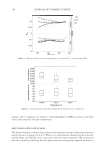
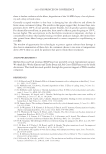
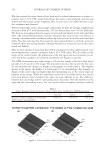
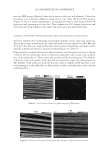
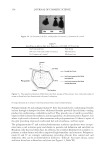
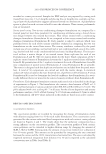
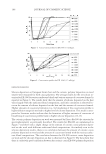
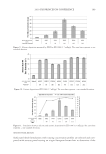
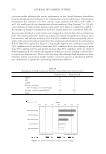
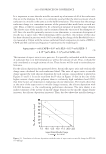
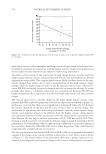
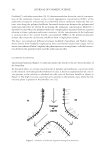
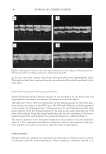
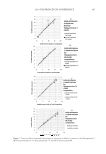
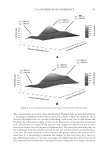
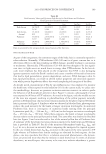
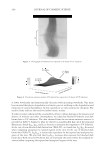
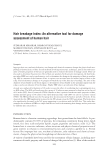
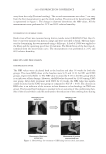
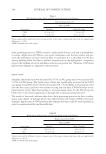
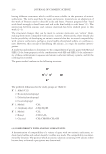
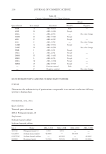
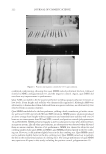
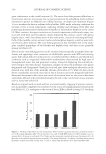
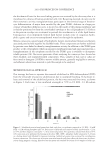
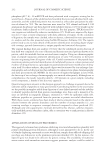
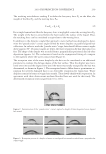
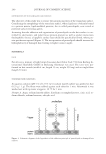
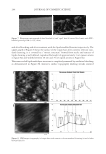
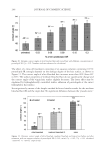
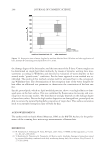
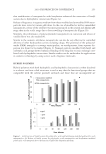
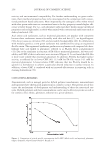
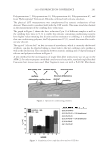
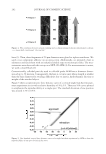
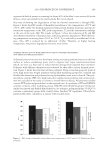
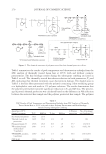
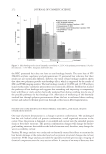
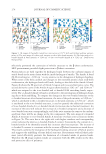
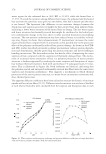
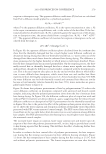
JOURNAL OF COSMETIC SCIENCE 174 high charge density (either through a small aspect ratio or high charge or both) provide a favorable environment for interaction with the higher cationic charge cassia polymer and lead to higher silicone deposition and superior conditioning performance. The effects of the nature of the interaction of high charge density micelles with the higher charge density cationic cassia polymer EX-906 are not well understood. Several explanations are possible. The complex may be more likely to adhere better to the neg- atively charged hair surface due to better neutralization of the high cationic charge polymer with the high charge micelles or the fl occulation may be more effi cient be- tween EX-906 and highly negatively charged micelles to entrap the silicone. It is also possible that there is a different interaction (or conformation) between EX-906 and highly charged micelles compared to micelles with high aspect ratio (rod-like) or lower charge. The ratio of aspect ratio to micelle charge for the lower charge density cationic cassia polymer EX-1086 is plotted against the total silicone deposition and shown in Figure 14. In this case, it is seen that there is not a signifi cant correlation (P values of 0.39) between the silicone deposited on the hair and the ratio of aspect ratio to micelle charge. The mechanism for optimizing the conditioning performance with the lower cationic charge density cassia polymer appears to be different from the higher cationic charge density cassia polymer. Extension of the coacervation curve (the latter part of coacervation curve after dilution 10) may help to enhance performance of EX-1086 but not EX-906. Thus, forming as much coacervate over as wide of a dilution range as possible may lead to better performance. It is hypothesized that an inherent lack of adhesion or poorer fl occulation of the coacervate formed by EX-1086 will lead to lesser deposition. This could then be compensated by a higher amount of coacervate. The silicone deposition data for both EX-906 and EX-1086 can be merged and modeled together if the charge on the cationic polymer is taken into account. This is done as shown in Figure 15. The overall effects of the parameters show that a greater aspect ratio de- creases silicone deposition and a greater charge on the cationic cassia polymer increases it. Figure 14. Correlation of silicone deposition with the ratio of aspect ratio to micelle charge for EX-1086 (1.7 mEq/g).

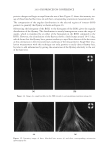
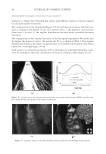
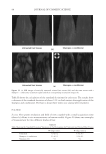
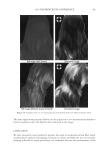
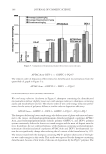
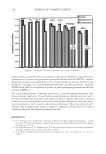
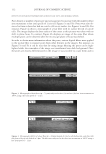
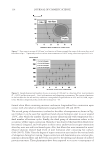
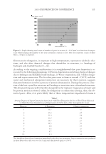
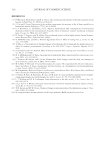
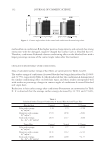
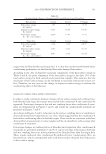
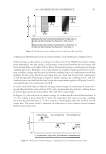
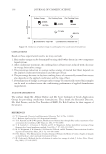
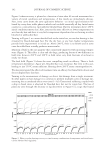
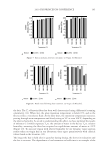
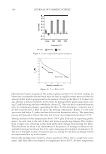
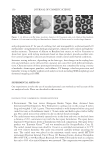
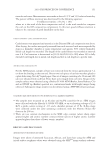
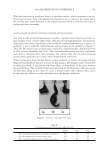
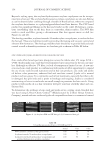
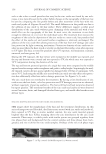
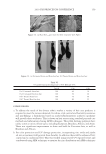
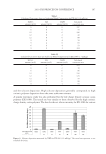
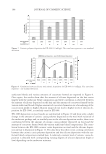
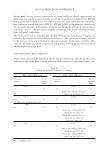
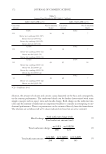
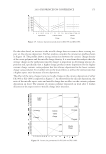
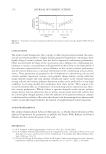
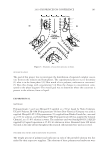
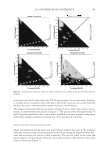
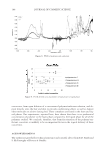
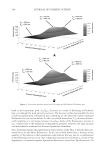
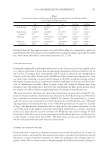
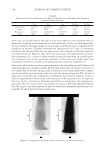
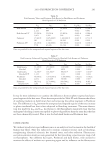
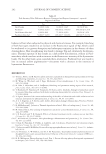
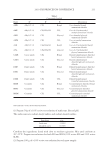
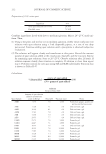
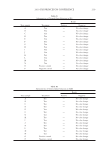
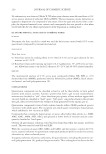
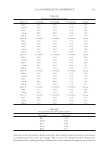
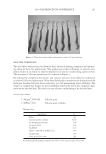
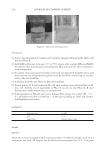
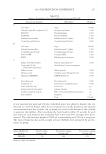
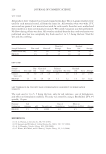
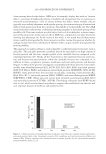
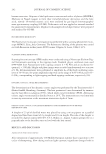
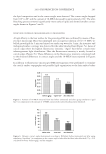
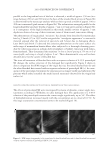
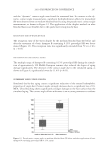
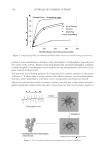
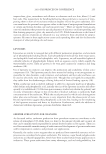
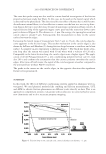
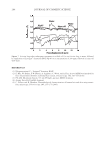
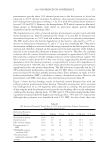
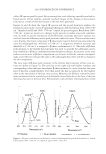
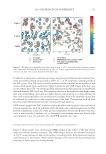
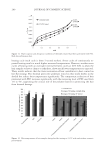
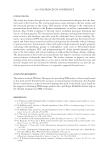
2010 TRI/PRINCETON CONFERENCE 175 On the other hand, an increase in the micelle charge does not seem to have a strong im- pact on the silicone deposition. Further analysis considers the interaction profi les shown in Figure 16. The profi les show a strong interaction between the cationic charge density of the cassia polymers and the micelle charge density. It is seen from this analysis that the average charge on the surfactants (micelle charge) is important in determing silicone de- position and, specifi cally, that a higher charge produces more deposition for the higher cationic charge cationic cassia polymer but less silicone deposition for the lower cationic charge cassia polymer. It is further seen in the main effects as well as the interactions that a higher aspect ratio decreases silicone deposition. The effect of the ratio of aspect ratio to micelle charge on the cationic deposition of either EX-906 or EX-1086 is reported in Figure 17. As observed for the silicone deposition, the ratio of the micelle aspect ratio and micelle charge has an effect on the cationic polymer deposition on wool. The amount of cationic polymer deposited on wool after 2 washes decreases as the aspect ratio to micelle charge ratio increases. Figure 15. Silicone deposition prediction for EX-906 and EX-1086. Figure 16. Interacion parameters for EX-906 and EX-1086.
Purchased for the exclusive use of nofirst nolast (unknown)
From: SCC Media Library & Resource Center (library.scconline.org)