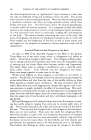
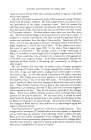
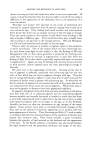
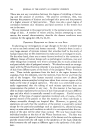
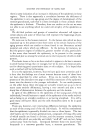
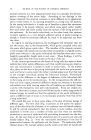
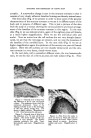
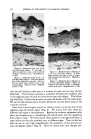
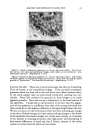
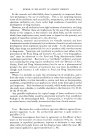
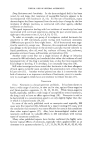
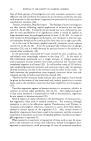
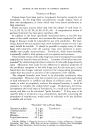
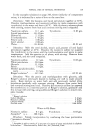
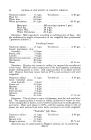
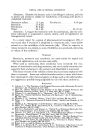
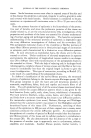
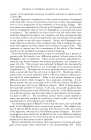
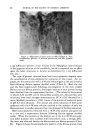
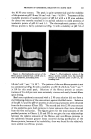
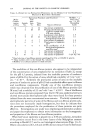
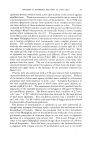
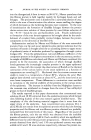
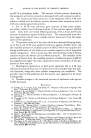
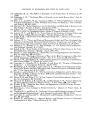
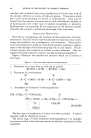
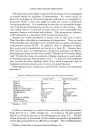
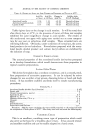
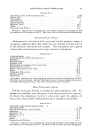
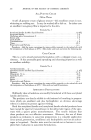
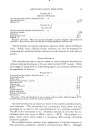
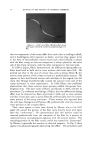
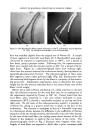
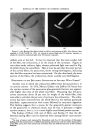
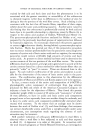
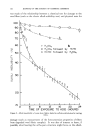
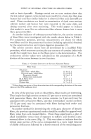
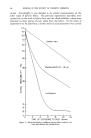
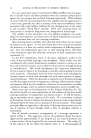
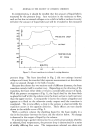
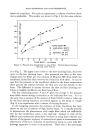
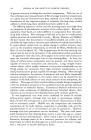
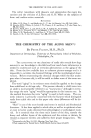
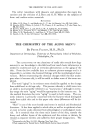
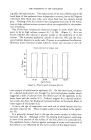
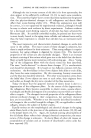
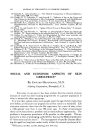
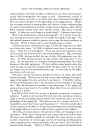
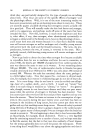
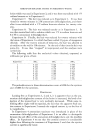
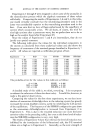
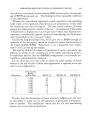
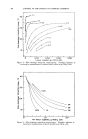
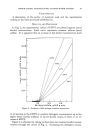
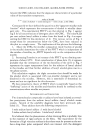
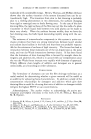
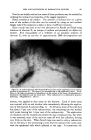
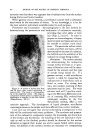
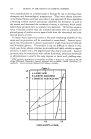
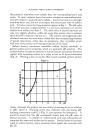
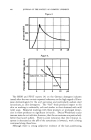
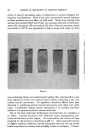
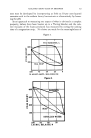
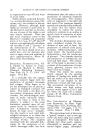
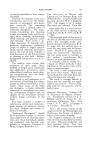
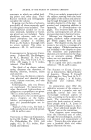
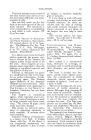
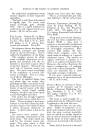
394 JOURNAL OF THE SOCIETY OF COSMETIC CHEMISTS 0.1 .o 4o o.2 • 0.25 x• 0.4 *' 0.6 õ3O .8 •20 i.o . 10 0 0.02 0.04 0.06 0.08 Lauryl alcohol, g/100 g •igure 2.•Film drainage transition temperatures. Numbers adjacent to curves give concentration of sodium lauryl sulfate in g./100 g. soln. 40 '• 0.05 • - .04 E --- .03 •' I 0 - .005 .01 ,02 - I I I I I I I I I I 0 1.0 2.0 NQ leuryl sulphete, g/100{3 soln. Figure 3.--Film drainage transition temperatures. Numbers adjacent to curves give concentration of lauryl alcohol in g./100 g. soln.

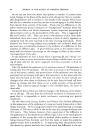
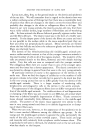
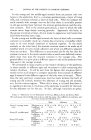
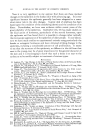
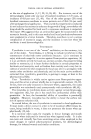
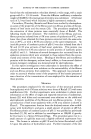
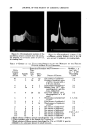
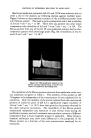
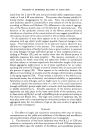
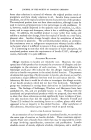
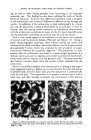
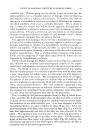
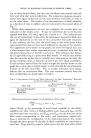
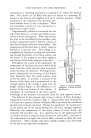
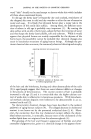
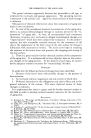
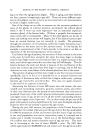
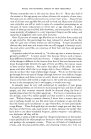
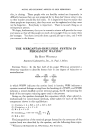
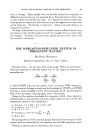
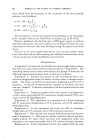
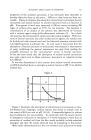
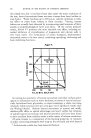
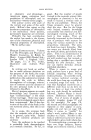
SODIUM I.AURYL SULFATE-LAURYL ALCOHOL-WATER SYSTEMS 395 EXPERIMENTAL A description of the purity of materials used and the experimental techniques has been previously published (1). RESULTS AND DISCUSSION In Fig. 2, the experimental values of FDTT arc plotted against lauryl alcohol concentration. Each curve represents constant sodium lauryl sulfatc. It is apparent that an increase in the alcohol concentration leads 0.05 0.O4 •'0,0• 0.02 O.OI 24øC O.2 0.4 0.6 Na lauryl sulfate, g/100 g soln. Figure 4,--Isotherms of film drainage transition temperature. to an increase in the FDTT at constant detergent concentration up to the region where further addition of lauryl alcohol results in little or no in- crease of FDTT. Figure 3 is obtained by taking vertical slices (at constant alcohol concen- tration) through the curves of Fig. 2. Increasing the detergent concen-
Purchased for the exclusive use of nofirst nolast (unknown)
From: SCC Media Library & Resource Center (library.scconline.org)