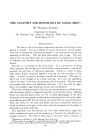
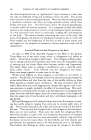
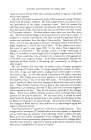
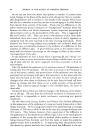
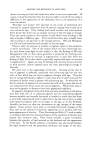
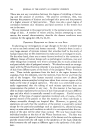
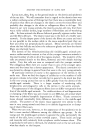
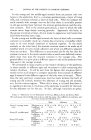
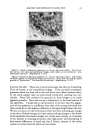
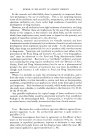
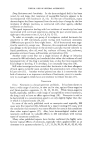
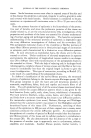
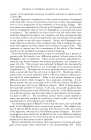
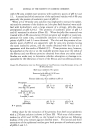
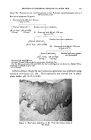
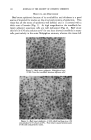
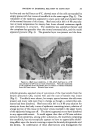
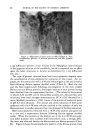
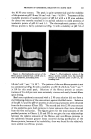
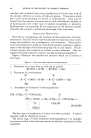
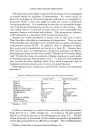
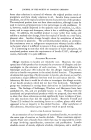
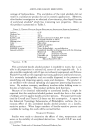
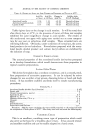
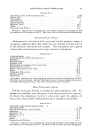
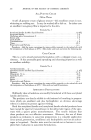
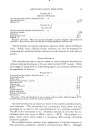
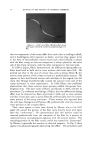
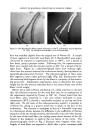
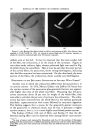
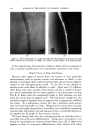
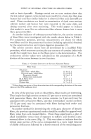
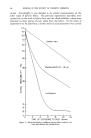
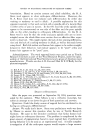
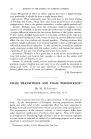
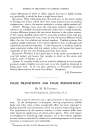
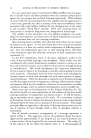
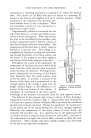
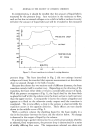
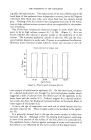
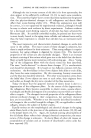
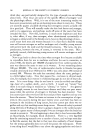
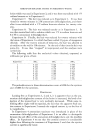
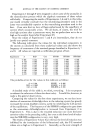
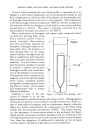
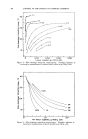
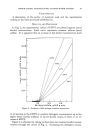
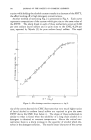
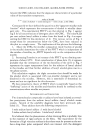
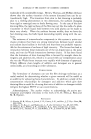
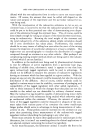
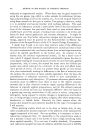
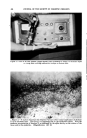
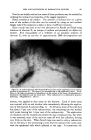
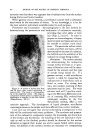
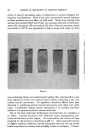
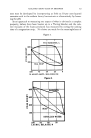
404 JOURNAL OF THE SOCIETY OF COSMETIC CHEMISTS Figure 1.--Use of an end window Gei'ger-M'Uiier tube (attached to scaler) to measure alpha or strong beta emitting radioactive isotope on human skin. ' • .. ,,, •...**......._ ....... _ ?- -* ... ,*-..: ,.:• , Figure 2.--A section of human skin biopsied 72 hours after topical application of thorium X in an ointment base. The tissue is cut perpendicular to the epidermal surface. Note the moderate accumulation of thorium X, as indicated by the alpha tracks, on the surface of the tissue and in the epidermis. (Magnification: 425 X)

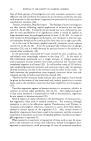
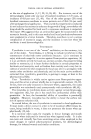
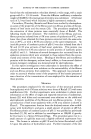
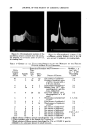
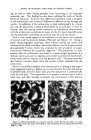
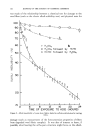
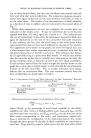
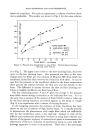
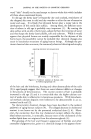
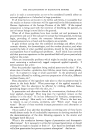
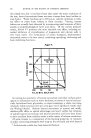
USES AND LIMITATIONS OF RADIOACTIVE ISOTOPES 40_• Now let me briefly outline how some of these problems may be studied by utilizing the radioactive properties of the tagged ingredient. Direct counting at the surface: The amount of radioactivity on a given area of the surface of the skin can be counted by using an end window Geiger tube if the radiation is alpha or beta of sufficient intensity. Such a study was done in our own laboratory by Kerdel and Kopf using dilutions of thorium X, an isotope of radium and primarily an alpha ray emitter. Five thousandths of a milliliter of an alcoholic solution of thorium X, with an activity of approximately 2000 disintegrations per .. .. .• '•.::'• .•. ., .. .•: ., ... .. •.: :.7'" . .:•.• ß .. •.• .... :.. . :•" .... '• ":5' •' . ......... •.. Figure 3--A section of human skin biopsied 48 hours after topical application of an aqueous solution of phosphorus 32. The tissue is cut perpendicular to the epidermal surface. In ad- dition to the large accumulation of phosphorus on the surface of the tissue, the phosphorus is localized in the epidermis and the sweat duct. Here radioactivity is evidenced by granular darkening. (Magnification: 250 X) minute, was applied to four areas on the forearm. Each of these areas was counted with an end window tube immediately following the applica- tion of the thorium X solution (Fig. 1). At 24 hours, three of the sites had lost about 75 per cer/t of the radioactivity the remaining site was washed with water leaving but 1.4 per cent of the radioactivity. The application of collodion over the treated sites slowed the loss of radioactivity, but when it was removed, most of the activity came off with the collodion, leaving very little on the skin. When Scotch tape was used to strip a radioactive site on the skin, it was interesting to note that the radioactivity came away with the epidermal cells which adhered to the tape. A noteworthy ob-
Purchased for the exclusive use of nofirst nolast (unknown)
From: SCC Media Library & Resource Center (library.scconline.org)