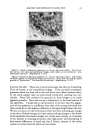
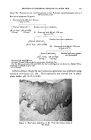
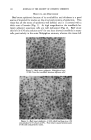
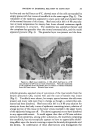
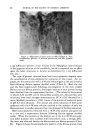
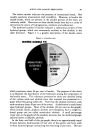
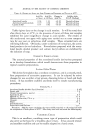
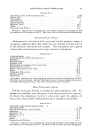
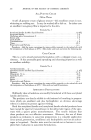
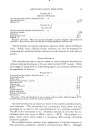
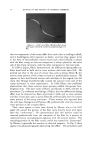
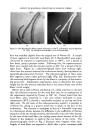
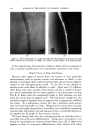
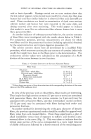
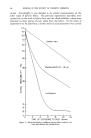
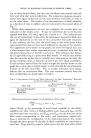
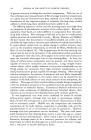
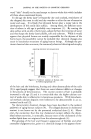
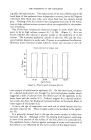
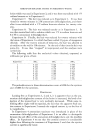
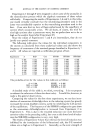
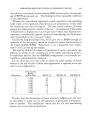
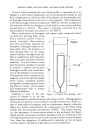
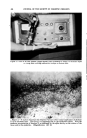
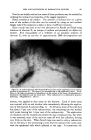
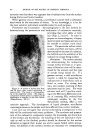
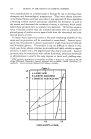
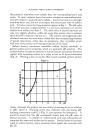
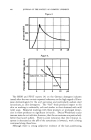
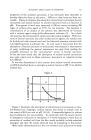
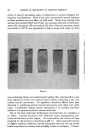
EFFECT OF BILATERAL STRUCTURE ON KERATIN FIBERS 355 (4) Conrad, L. I., 5 e. Soc. Cosmetic Chem., 5, 11 (1954). (5) Gillespie, D. T. C., "Wool Wax," Washington, D.C., Hobart Publishing (1948). (6) Croda Publication, "Lanolin" (1951). (7) Drekter, I. J., and Conrad, L. I., U. $. Patent 2,302,678 (1942). (8) Jenkins, G. L., and Hurtung, W. H., "The Chemistry of Organic Medicinal Products," 3rd edition, New York, John Wiley and Sons (1949). (9) Greenberg, L. A., and Lester, D., "Handbook of Cosmetic Materials," New York, Inter- science Publishers, Inc. (1954). (10) Sulzberger, M. B., and Lazar, M.P., •7. Investigative DermatoL, 15, 453 (1950). (11) Sulzberger, M. B., Warshaw, T., and Herrmann, F., Ibid., 20, 33 (1953). (12) Warshaw, T. G., •7. Soc. Cosmetic Chem., 4, 290 (1953). (13) Everall, J., and Truter, E. V., •7- Investigative DermatoL, 22, 493 (1954). THE EFFECT OF BILATERAL STRUCTURE ON THE CHEMISTRY OF KERATIN FIBERS* By J. H. DtYSENBUP,¾ and E. B. JEFFRIES Textile Research Institute, Princeton, New yersey INTRODUCTION Much or THE WORK discussed here has been done by others at Textile Research Institute in addition to the authors of this paper. Work under way on the Wool Research Project at Textile Research Institute includes the investigation of methods that may be used to characterize various natural protein fibers in terms of the ortho-para behavior of the particular fiber cortex. This paper is in the nature of a progress report on what has been accomplished so far. Before going into this work, however, a brief summary of the previous history of the idea of a bilateral structure for wool fibers is in order. In 1953, Horio and Kondo in Japan showed that a wool fiber dyed with a dilute solution of the basic dyestuff, Janus Green B, exhibits a bilateral staining effect (7). When viewed longitudinally, one-half of the dyed fiber appears to be dyed more heavily than the other half and this bilateral structure runs the entire length of the fiber from root to tip. Furthermore, the more heavily stained portion always appears on the outer, convex side of the crimp wave and appears to go from one side of the fiber to the other, in correspondence with the periodicity of the crimp. In Fig. 1 is shown a photomicrograph of a domestic fine wool fiber (64's grade) dyed with a dilute solution (0.1 per cent) of Janus Green B at pH 7. The bilateral structure is clearly apparent. This photomicrograph was taken under polarized light conditions, which tend to accentuate the bilateral effect observed with ordinary light. Horio and Kondo also showed that * Based in part on the paper presented at the September 23,1954, Seminar, New York City.

EFFECT OF BILATERAL STRUCTURE ON KERATIN FIBERS 355 (4) Conrad, L. I., 5 e. Soc. Cosmetic Chem., 5, 11 (1954). (5) Gillespie, D. T. C., "Wool Wax," Washington, D.C., Hobart Publishing (1948). (6) Croda Publication, "Lanolin" (1951). (7) Drekter, I. J., and Conrad, L. I., U. $. Patent 2,302,678 (1942). (8) Jenkins, G. L., and Hurtung, W. H., "The Chemistry of Organic Medicinal Products," 3rd edition, New York, John Wiley and Sons (1949). (9) Greenberg, L. A., and Lester, D., "Handbook of Cosmetic Materials," New York, Inter- science Publishers, Inc. (1954). (10) Sulzberger, M. B., and Lazar, M.P., •7. Investigative DermatoL, 15, 453 (1950). (11) Sulzberger, M. B., Warshaw, T., and Herrmann, F., Ibid., 20, 33 (1953). (12) Warshaw, T. G., •7. Soc. Cosmetic Chem., 4, 290 (1953). (13) Everall, J., and Truter, E. V., •7- Investigative DermatoL, 22, 493 (1954). THE EFFECT OF BILATERAL STRUCTURE ON THE CHEMISTRY OF KERATIN FIBERS* By J. H. DtYSENBUP,¾ and E. B. JEFFRIES Textile Research Institute, Princeton, New yersey INTRODUCTION Much or THE WORK discussed here has been done by others at Textile Research Institute in addition to the authors of this paper. Work under way on the Wool Research Project at Textile Research Institute includes the investigation of methods that may be used to characterize various natural protein fibers in terms of the ortho-para behavior of the particular fiber cortex. This paper is in the nature of a progress report on what has been accomplished so far. Before going into this work, however, a brief summary of the previous history of the idea of a bilateral structure for wool fibers is in order. In 1953, Horio and Kondo in Japan showed that a wool fiber dyed with a dilute solution of the basic dyestuff, Janus Green B, exhibits a bilateral staining effect (7). When viewed longitudinally, one-half of the dyed fiber appears to be dyed more heavily than the other half and this bilateral structure runs the entire length of the fiber from root to tip. Furthermore, the more heavily stained portion always appears on the outer, convex side of the crimp wave and appears to go from one side of the fiber to the other, in correspondence with the periodicity of the crimp. In Fig. 1 is shown a photomicrograph of a domestic fine wool fiber (64's grade) dyed with a dilute solution (0.1 per cent) of Janus Green B at pH 7. The bilateral structure is clearly apparent. This photomicrograph was taken under polarized light conditions, which tend to accentuate the bilateral effect observed with ordinary light. Horio and Kondo also showed that * Based in part on the paper presented at the September 23,1954, Seminar, New York City.
Purchased for the exclusive use of nofirst nolast (unknown)
From: SCC Media Library & Resource Center (library.scconline.org)