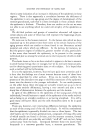
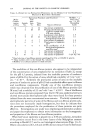
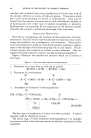
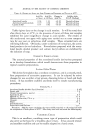
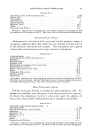
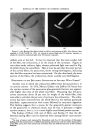
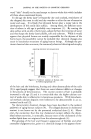
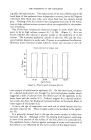
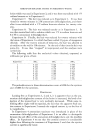
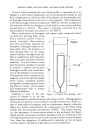
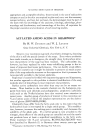
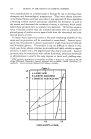
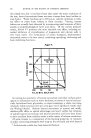
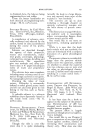
378 JOURNAL OF THE SOCIETY OF COSMETIC CHEMISTS word "skin" should not be used except to denote whole skin which includes all three above-mentioned layers. In old age the horny layer is frequently dry and cracked, reminiscent of the chapped skin seen in cold and dry weather or after the use of excessive water and soap. It is likely that physical factors play a major role in the development of this senile skin surface. Among these, the deficient secre- tion of sebum in old age is probably very important (1). By coating the skin surface with an oily or fatty layer, sebum furthers the retention of water and thus keeps the horny layer pliable, soft and coherent. While it would appear that physical factors are mainly responsible for the dryness of the horny layer, the possibility cannot be excluded that chemical changes also occur in keratinous structures of aging human beings. Although the per- tinent chemical data are scant, the commonlyobserved thinning and atrophy CALCIUM CONTENT OF HUMAN SKIN 50 30 u 20 10 28-51 yrs. 65-87 •rs. Figure 1.--Calcium content of human skin in various age groups (7). of the hair and the brittleness, fraying and other abnormalities of the nails (2) in aged people suggest that there are some inherent defects or changes in the process of keratinization. The cystine content of hair is probably increased in old age (3) and it is conceivable that the higher calcium con- tent of senile skin is reflected in its keratinous products. With histochemi- cal methods calcium deposits w•ere believed to be demonstrable in an oc- casional senile nail (2). No characteristic chemical changes have been described in the isolated epidermis of aging human subjects (4). The alleged decrease in cholesterol content is not borne out by the presented analytical data (5, 6). More- over, the contention that this low cholesterol content reflects the dimin- ished sebum secretion, is untenable, because most of the cholesterol of the surface lipids does not originate from the sebaceous glands (5). The graying of the hair and frequent appearance of freckles and other anomalies of pigmentation, point to a chemical change in the pigment form-

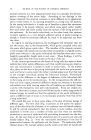
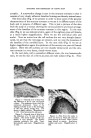
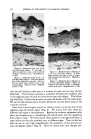
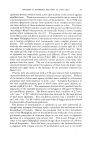
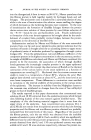
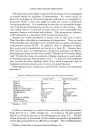
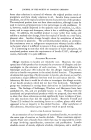
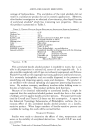
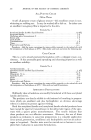
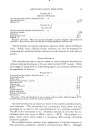
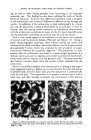
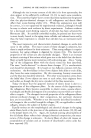
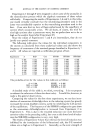
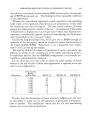
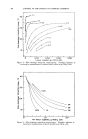
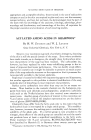
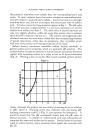
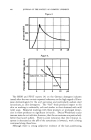
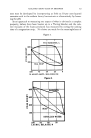
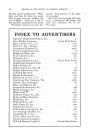
THE CHEMISTRY OF THE AGING*SKIN 379 ing cells, the melanocytes. The melanocytes of the hair follicles and of the basal layer of the epidermis form independent systems hence old Negroes still retain their black skin color, even when their hair has already turned gray. Graying of the hair results from extinguished activity of the tyrosi- nase or dopa oxidase enzyme systems which are responsible for the produc- tion of melanin. One of the most conspicuous chemical changes in senile whole skin ap- pears to be its high calcium content (4, 7, 8, 10). (Figure 1.) It is not known whether this calcium is present mainly in the epidermis or in the corium. The increased epidermal calcium in old mice (10) and the occa- sional calcium deposits in senile nails (2) point to an epidermal localization. However, direct chemical studies failed to reveal any increase in the cal- WATEK CONTENT OF HUMAN SKIN 6O • 40 •.30 20 10 10-29 30-49 Age in Years 50-69 70-89 Figure 2.--Water content of human skin (5). cium content of senile human epidermis (9). On the other hand, evidence for a dermal localization was brought by microincineration studies which suggested a shift of calcium from the cellular part of the epidermis to the horny layer and the corium (11). Indirect support for a dermal localiza- tion comes also from the finding of increased calcium in the elastic fibers of other organs of old people (12). A rise in old age of magnesium and total ash of whole human skin has also been reported (4). These changes could not be localized in the epider- mis (9). It is generally claimed that in old age the water content of whole skin increases (Fig. 2). Although at first this finding would appear surprising, in view of the dryness of the surface of old skin, there is no contradiction. The epidermis forms a barrier against exchange of water and hydration of the surface is not influenced by the water content of the deeper layers.
Purchased for the exclusive use of nofirst nolast (unknown)
From: SCC Media Library & Resource Center (library.scconline.org)