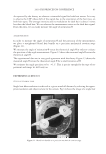
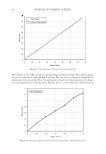
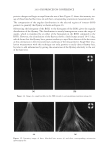
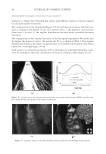
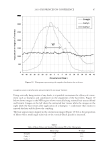
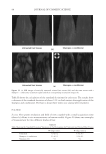
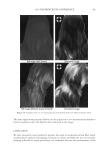
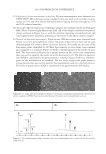
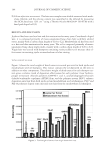
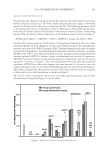
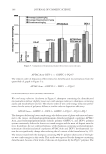
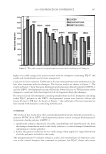
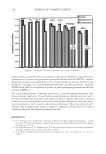
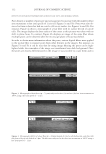
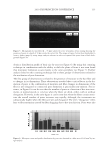
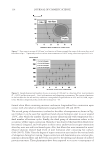
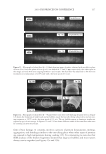
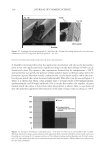
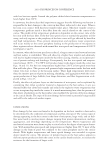
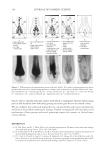
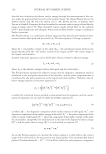
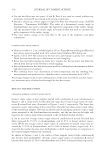
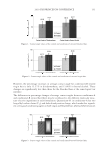
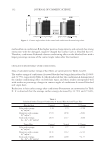
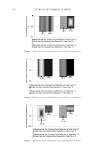
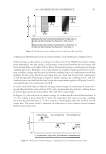
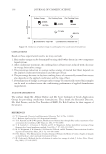
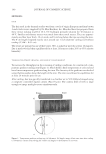
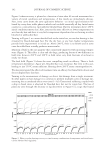
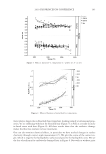
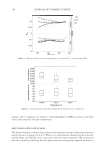
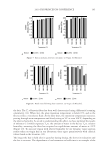
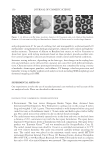
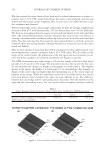
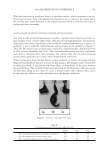
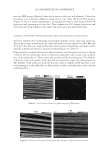
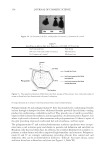
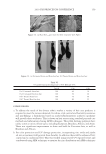
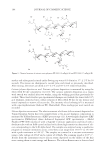
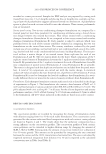
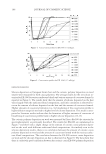
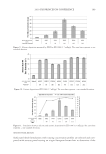
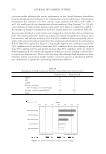
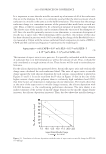
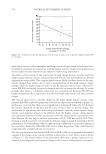
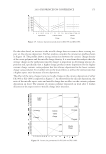
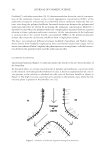
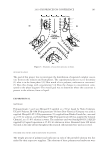
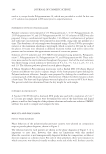
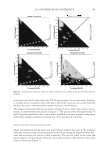
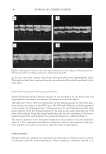
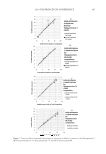
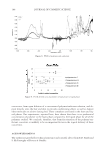
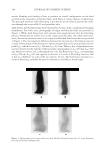
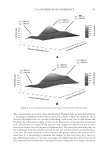
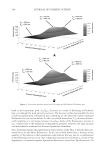
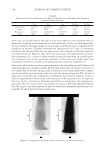
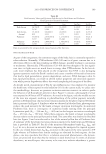
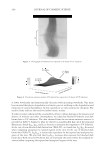
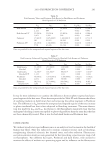
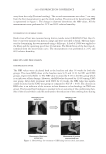
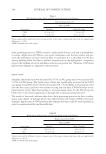
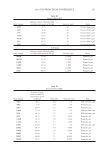
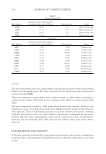
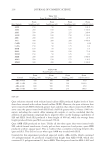
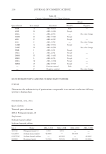
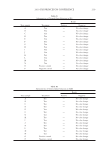
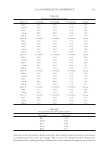
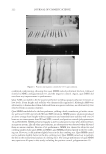
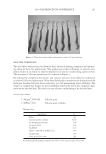
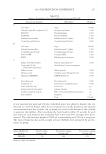
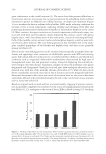
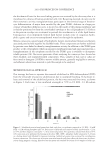
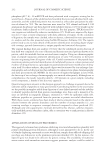
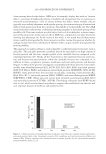
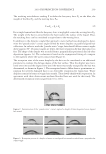
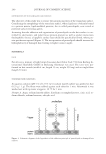
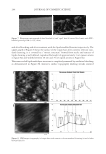
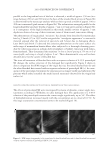
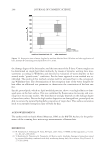
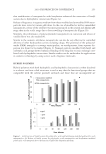
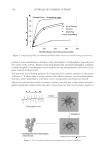
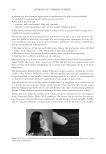
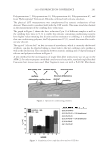
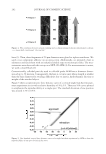
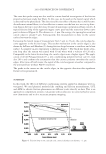
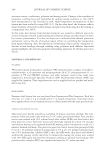
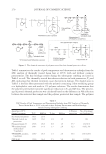
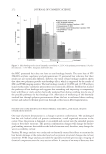
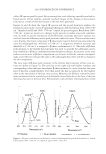
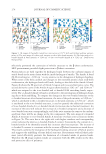
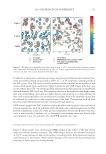
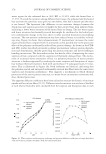
JOURNAL OF COSMETIC SCIENCE 200 at lower wavelenths and monotonically decreases with increasing wavelenth. One must bear in mind that photo-degradation is a kinetic process resulting in the degradation and formation of various fl uorophores. In this experiment we only examine the end point. The results clearly indicate the need for further kinetic studies. In order to better understand the susceptibility of hair to photo-damage in the presence and absence of melanin and other chromophores, we subjected bleached Piedmont and dark brown hair to UV radiation. The data obtained from the excitation-emission matrices is provided in Table V. Similar to what we observe in non-bleached hair, all of the principal fl uorescence bands (ITrp, IKyn, and I509) decrease in intensity after exposure to UV radiation. In the case of non-bleached dark brown hair (Table IV), we found that ITrp/IKyn decreased when comparing unexposed to exposed regions of the tress. In the case of bleached dark brown hair (Table V), ITrp/IKyn is statistically equivalent for the exposed and unexposed re- gions of the tress. We also fi nd that I509/IKyn increases after exposure for bleached dark brown hair. Both ratios for Piedmont hair are essentially the same (within the standard de- viation) when comparing the exposed and unexposed regions of the tress. Figure 5. Photograph of Piedmont hair exposed to 96 hours of UV radiation. Figure 6. Excitation-emission matrix of Piedmont hair exposed to 96 hours of UV radiation.

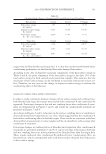
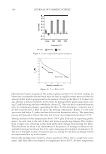
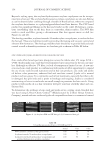
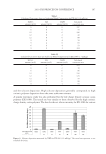
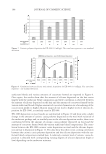
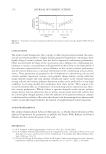
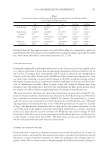
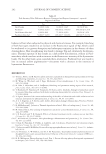
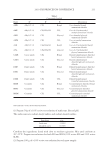
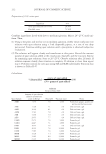
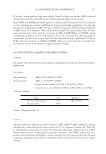
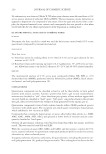
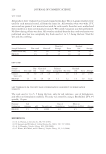
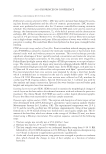
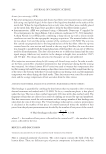
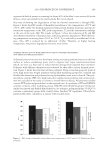
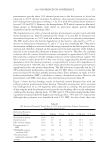
2010 TRI/PRINCETON CONFERENCE 201 Table V Peak Intensity Values and Pertinent Peak Ratios for Bleached Dark Brown and Piedmont Hair Exposed to UV Radiation ITrp IKyn I509 ITrp/IKyn I509/IKyn Dark brown- bleached 33,150 ± 2,192 237,000 ± 5,657 130,500± 4950 0.140 ± 0.006 0.551 ± 0.034 Dark brown- bleached-UV 24,550 ± 1,344 163,500 ± 707 99,650 ± 3323 0.150 ± 0.008 0.610 ± 0.023 Piedmont- bleached 68,950 ± 4,031 3,075,000 ± 120,208 1,480,000 ± 56,568 0.022 ± 0.000 0.482 ± 0.037 Piedmont- bleached-UV 38,150 ± 1,061 2,170,000 ± 14,142 999,500 ± 99,702 0.018 ± 0.000 0.461 ± 0.049 Data are provided for the unexposed and exposed regions of the hair tress. It may be more informative to examine the differences between photo-exposed and unex- posed regions of the hair tress. These data are provided in Table VI and illustrate the effects of oxidizing melanin in dark brown hair and removing the yellow pigment in Piedmont hair. The difference in ITrp between the unexposed and exposed regions of the tress increase in photo-irradiated hair that is fi rst subjected to bleaching treatment. The same observa- tion was made for IKyn and I509. In relation to the fl uorophores monitored, hair that has undergone bleaching is more susceptible to photo-degradation than the same hair that has not been chemically treated. This is true for both dark brown and Piedmont hair. CONCLUSIONS We utilized steady-state spectrofl uorescence as an analytical tool to monitor the health of human hair fi bers. Hair was subjected to routine consumer stresses such as bleaching, straightening (chemical relaxers), hot thermal irons, and solar radiation. Fluorescence excitation-emission matrices were generated for hair providing a spectroscopic map of all its fl uorophores. Two different hair types, Piedmont and dark brown, were utilized to monitor the effects of melanin as a protecting agent and its infl uence on the fl uorescence Table IV Peak Intensity Values and Pertinent Peak Ratios for Dark Brown and Piedmont Hair Exposed to UV Radiation ITrp IKyn I509 ITrp/IKyn I509/IKyn Dark brown 31,200 ± 2,121 86,150 ± 495 26,500± 0 0.362 ± 0.022 0.308 ± 0.001 Dark brown-UV 25,850 ± 1,061 55,650 ± 1,202 15,800 ± 566 0.465 ± 0.029 0.284 ± 0.002 Piedmont 37,900 ± 283 1,825,000 ± 91,923 1,300,000 ± 28,284 0.021 ± 0.001 0.713 ± 0.020 Piedmont-UV 29,250 ± 5728 1,440,000 ± 42,426 659,500 ± 33,234 0.020 ± 0.003 0.458 ± 0.010 Data are provided for the unexposed and exposed regions of the hair tress.
Purchased for the exclusive use of nofirst nolast (unknown)
From: SCC Media Library & Resource Center (library.scconline.org)