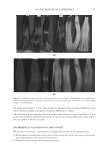
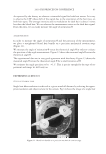
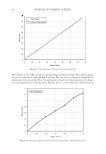
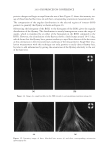
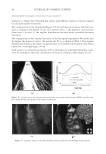
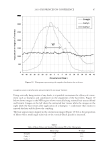
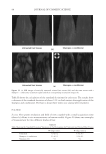
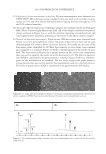
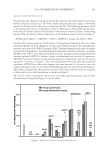
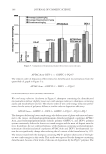
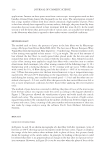
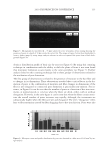
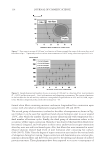
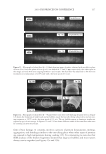
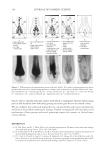
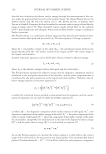
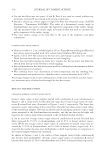
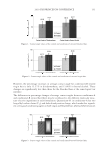
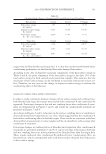
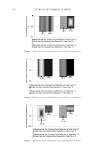
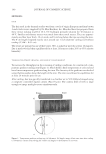
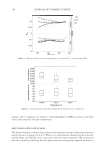
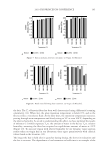
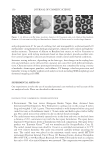
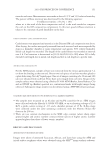
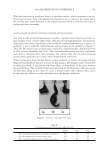
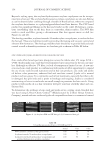
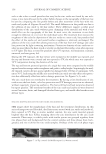
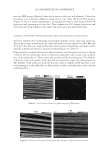
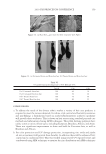
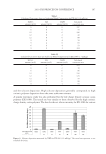
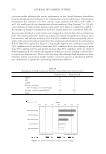
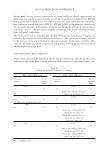
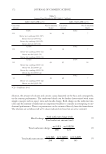
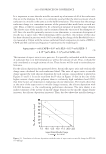
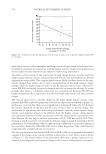
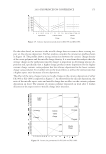
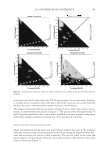
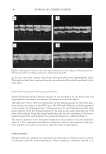
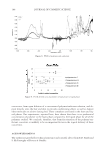
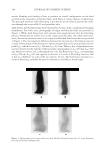
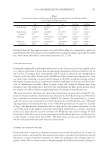
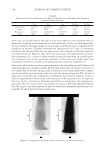
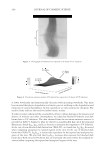
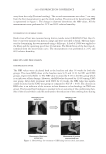
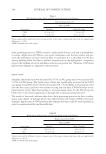
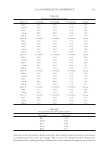
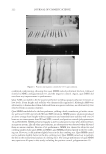
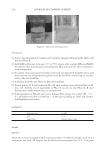
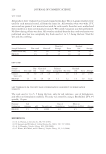
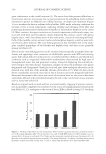
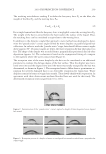
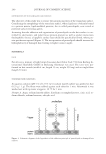
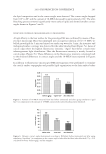
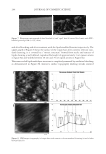
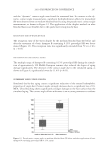
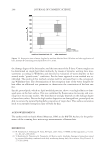
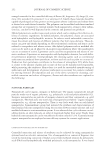
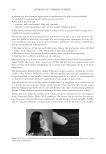
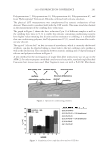
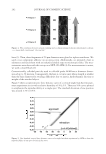
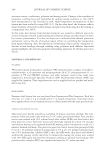
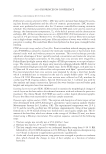
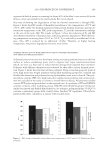
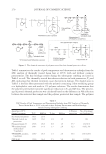
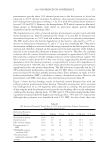
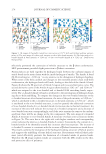
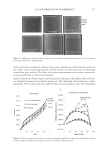
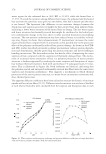
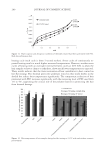
JOURNAL OF COSMETIC SCIENCE 98 Table II Table Showing the Standard Deviation Variations of the Histograms for Untreated and Treated Hair Tresses W (deg.) tress 1 W (deg.) tress 2 Untreated 7.9 ± 0.2 6.5 ± 0.3 Shampoo + conditioner 5.3 ± 0.1 4.4 ± 0.1 Variation (%) −33 −32 Table II shows the calculation of the standard deviations for each tress. The results show a decrease of the standard deviation of about 33% on both tresses after application of the shampoo and conditioner. The hair is about three times more aligned after treatment. FULL HEAD In vivo. The system resolution and fi eld of view coupled with a small acquisition time (about 1s) allows in vivo measurements on human models. Figure 20 shows two examples of measurement for two different shades of hair. Figure 19. (a) NIR images of vertically untreated oriental hair tresses (left) and the same tresses with a shampoo + conditioner treatment (right) and their corresponding orientation images (b).

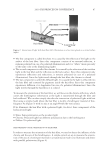
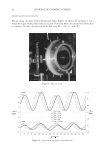
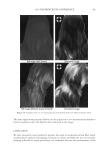
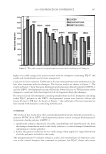
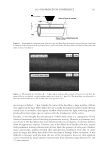
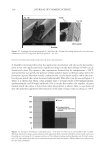
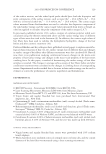
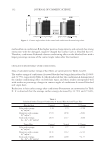
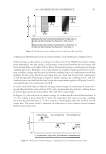
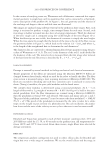
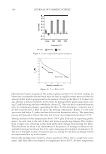
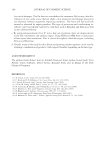
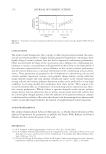
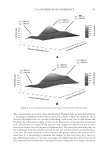
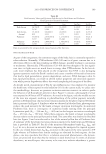
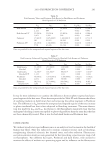
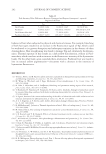
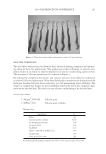
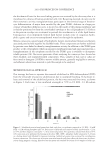
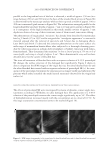
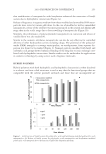
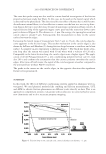
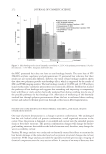
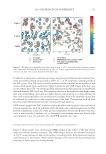
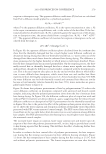
2010 TRI/PRINCETON CONFERENCE 99 Figure 20. Example of two in vivo measurements on human heads for two different shades of hair. The same applications presented before can be applied to in vivo measurements thanks to its fast acquisition time. No blur has been observed in the image. CONCLUSION We have presented a new method to measure the angle of orientation of hair fi ber, based on polarization analysis and imaging. Contrary to current methods that use conventional imaging followed by image processing, our technique delivers the measurement of the
Purchased for the exclusive use of nofirst nolast (unknown)
From: SCC Media Library & Resource Center (library.scconline.org)