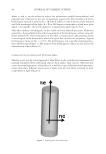
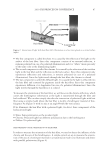
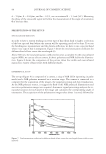
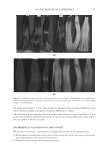
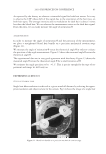
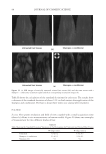
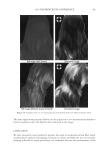
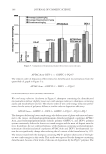
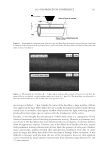
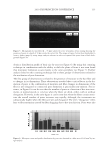
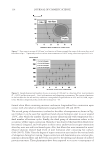
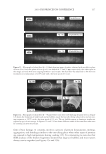
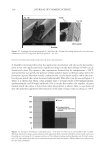
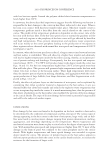
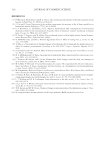
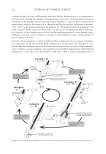
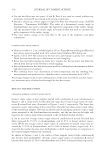
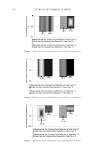
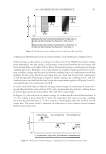
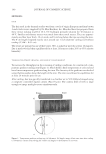
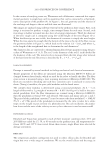
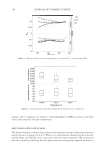
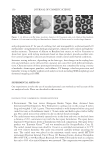
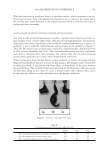
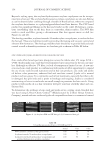
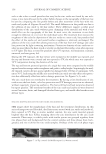
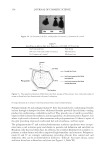
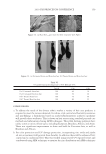
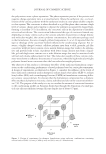
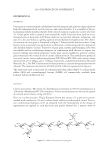
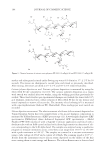
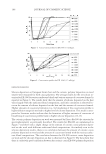
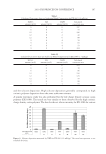
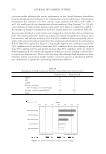
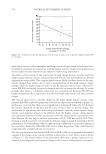
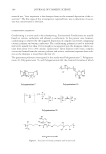
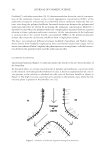
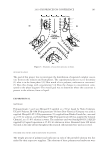
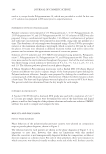
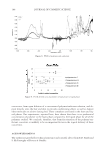
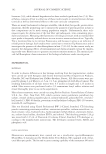
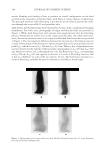
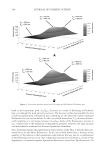
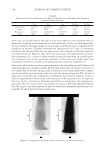
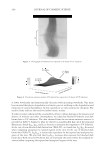
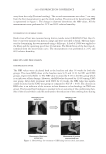
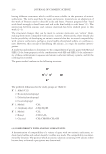
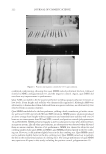
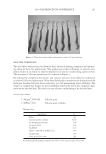
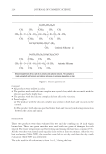
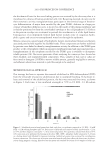
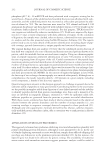
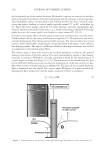
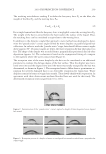
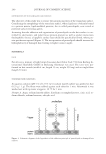
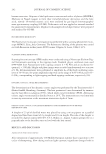
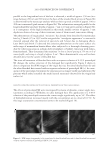
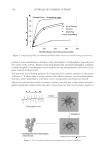
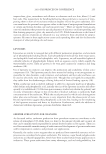
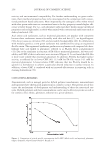
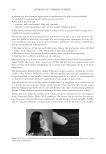
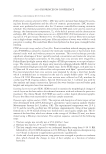
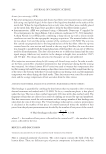
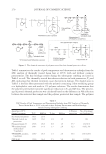
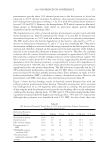
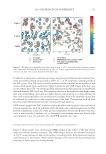
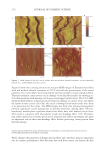
JOURNAL OF COSMETIC SCIENCE 260 detangling after shampoo application (complemented by physical test method), • combability (complemented by physical test method), • feel of wet and dry hair • positive: well conditioned, silky, soft, smooth ... negative: coated (build-up), oily / greasy, rough / damaged, frizzy ... Additionally, internal und external panel testing as well as external salon testing are ac- cessable for sensoric evaluation. The motivation to develop physical test methods for hair feel is for a raw material sup- plier like BASF to fi nd new, toxicologically not yet approved chemistries for hair cos- metics without touching, so an in-vitro method is mandatory. The physics behind hair feel are an interplay of different forces: Mechanical forces of friction and lubrication during the movement along the hair • surface with a fi nger or a comb, which refl ects smoothness (Figure 1) Mechanical forces during hair bending which refl ects softness and suppleness • Capillary forces only for wet hair, esp. at combing • Mechanical forces of friction and lubrication can be addressed with the Universal Surface Tester (UST), the atomic force microscope (AFM), and dry friction measurements, and they correlate with surface morphology on a certain scale. This paper’s focus is on these phenomena. The phenomena, which lead to quality differences of hair cosmetic treatments, become visible to the observer on different scales: Macroscopically, hair feel and combability can be distinguished on hair bundles, whereas these properties on a micro- or even nanoscale are based on interactions between single fi bers or hair–fi nger or hair–comb. Important for friction is the hair surface morphology, e.g. roughness on a certain scale, as it is known from microscopic images of the cuticula: Virgin hair has fl at cuticula scales, whereas damaged hair shows lifted scales and broken scale edges. Conditioning polymers (Figure 2) have different options to infl uence the hair surface and also haptics of hair. Surface friction coeffi cients of hair with various cosmetic treatments were investigated with a Universal Surface Tester (UST, innowep). The system can be used for wet and dry hair. Caucasian, bleached hair was treated with concept shampoos based on SLES / CAPB, which contained different conditioning systems that are well known on the market: Figure 1. Friction and lubrication during the movement along the hair surface with a fi nger or a comb, which refl ects smoothness.

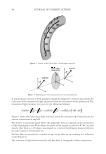
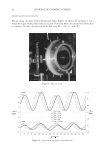
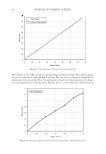
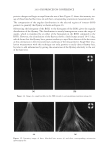
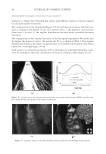
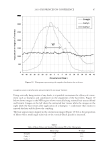
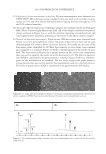
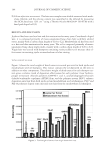
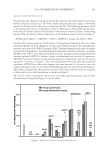
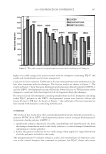
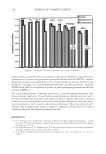
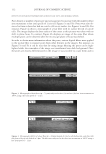
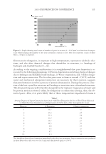
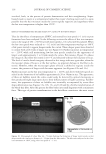
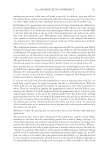
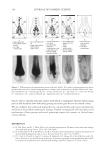
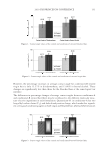
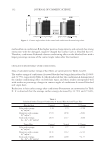
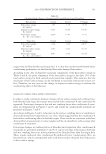
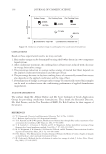
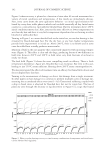
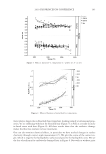
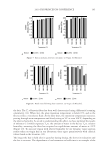
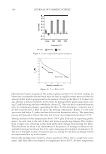
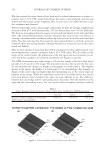
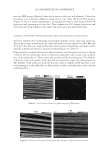
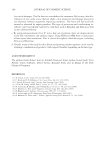
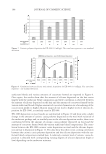
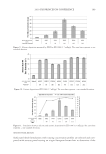
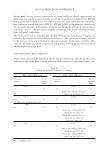
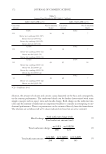
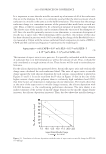
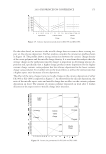
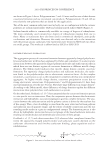
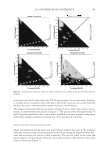
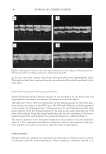
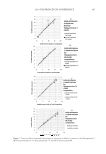
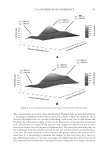
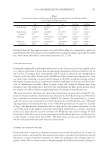
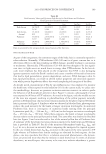
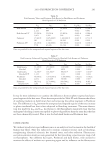
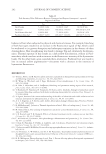
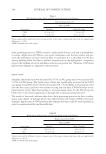
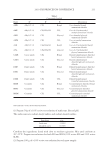
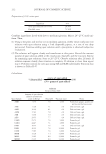
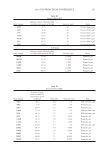
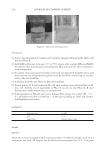
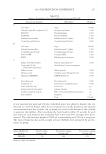
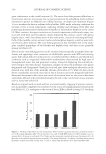
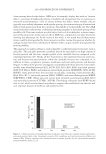
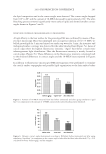
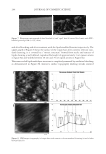
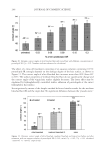
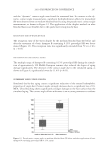
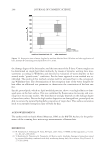
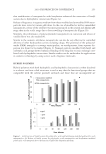
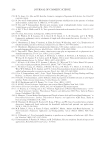
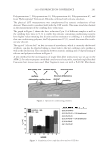
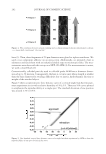
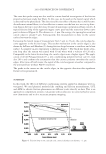
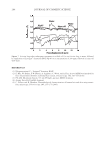
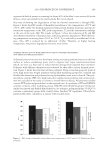
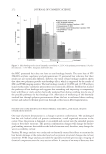
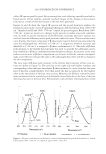
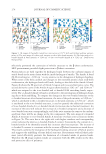
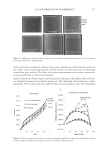
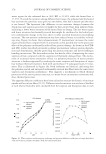
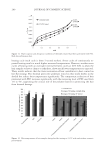
2010 TRI/PRINCETON CONFERENCE 261 Polyquaternium-7, Polyquaternium-10, Polyquaternium-44, Polyquaternium-87, and Guar Hydroxypropyl Trimonium Chloride combined with silicone emulsion. The physical UST measurements wer complemented by sensoric evaluations of hair dressers: Their results correlated well with the UST results. The same trend also showed in the measurements of the combing force reductions. The graph in Figure 3 shows the force reduction FR in % of different samples as well as the combing force data in %. It is visible that silicone containing conditioning systems have higher values meaning less friction and less resistance to combing it is remarkable that one conditioning polymer, the Polyquaternium-87 (1), reveals the same effect with- out any silicone. The typical “silicone feel” on hair in terms of smoothness, which is currently the favored attribute, can also be observed taking a closer look to the wet combing curve profi les as well as the dry friction. The correlation between sensoric ranking and co-depositioning of silicone and polymer is shown in Figure 4. A new method for the investigation of single fi ber-fi ber interactions was set-up on the AFM (2). In order to prepare a modifi ed cantilever as a hair probe, standard single bleached Caucasian hair tresses were used. Hair fragments were cut with a P.A.L.M. Microbeam Figure 2. Options for conditioning polymers. Figure 3. Correlation of wet comb force data and wet UST data.
Purchased for the exclusive use of nofirst nolast (unknown)
From: SCC Media Library & Resource Center (library.scconline.org)