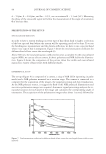
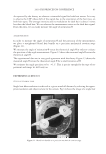
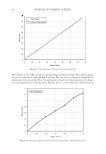
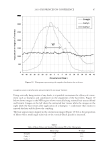
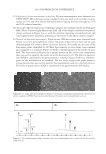
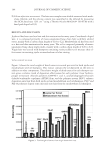
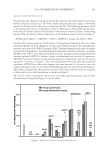
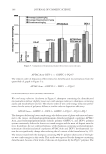
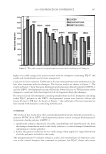
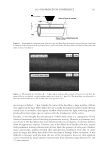
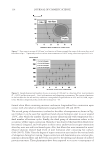
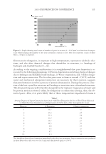
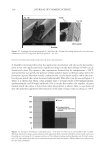
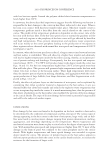
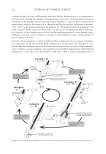
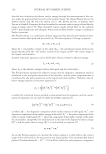
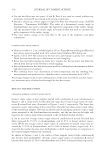
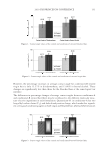
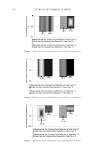
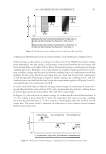
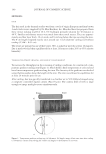
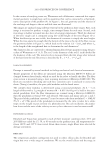
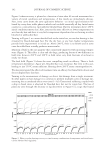
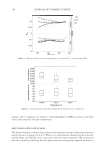
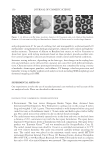
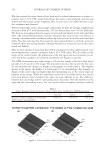
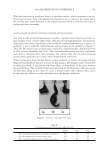
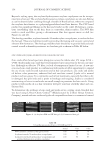
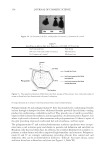
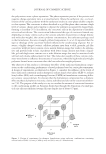
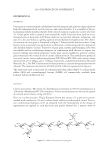
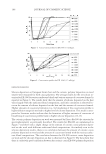
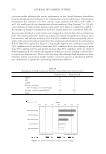
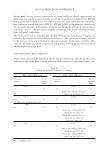
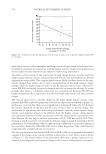
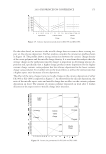
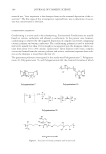
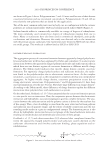
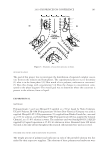
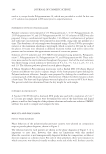
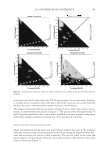
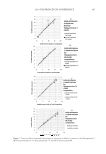
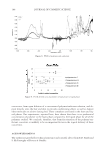
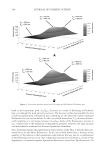
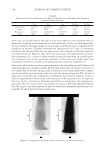
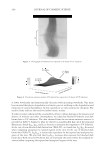
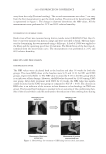
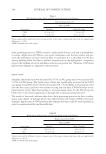
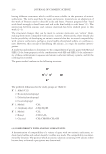
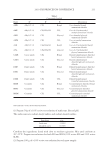
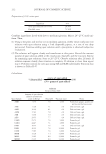
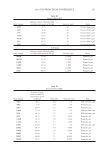
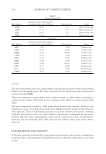
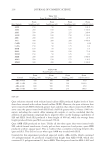
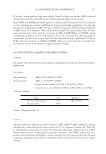
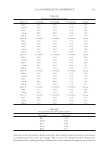
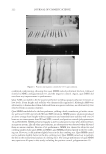
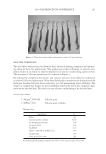
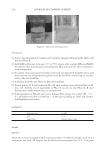
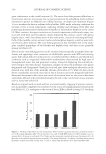
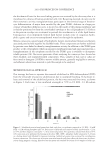
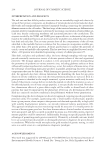
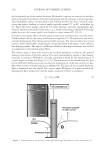
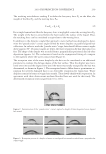
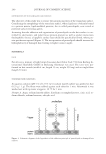
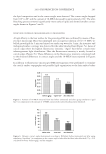
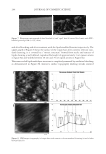
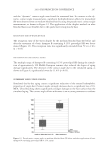
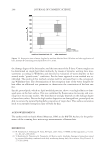
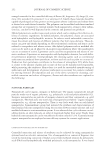
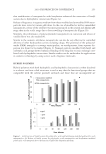
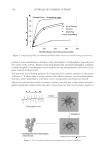
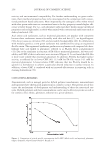
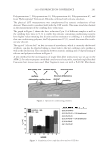
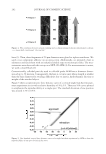
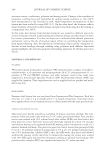
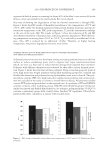
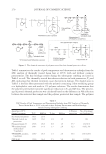
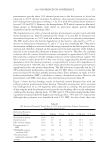
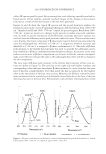
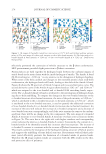
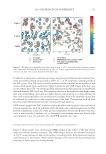
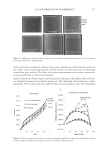
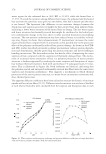
JOURNAL OF COSMETIC SCIENCE 262 Figure 4. The correlation between sensoric ranking and co-depositioning of silicone and polymer is shown +++ means well conditioned, “silicone feel.” Figure 5. One hundred vertical force distance curves of a single hair-hair experiment by AFM to show the reproducibility of one spot of a hair in dry state. laser (3). Then, these fragments of 50 μm diameter were glued to tipless cantilevers. We used a two component adhesive on an epoxy resin. Additionally, we prepared a hair as substrates and fi xed them with an industrial double tape on microscope slides. The mea- surements were done with this set-up on a MFP-3D AFM (4). For measurements in water, we used a closed fl uid cell. Conventionally, colloidal particles used in colloidal probe AFM have a diameter dimen- sion of up to 50 microns. Consequently, the hair is cut into units whose length is smaller than the hair diameter for avoiding diffi culties due to inertia, hydrodynamic friction or weight of the attached object. Figure 5 shows a representative force distance curve of a vertical single hair-hair measure- ment experiment in air with a relative humidity of 30 ± 5%. There are 100 curves plotted to emphasize the reproducibility at a single spot. The standard deviation of one position was around 2.3% ± 0.4%.

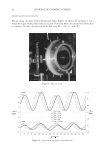
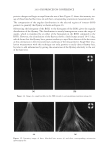
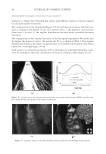
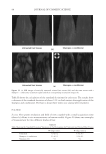
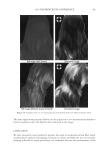
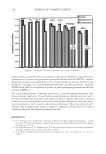
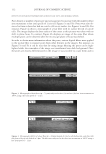
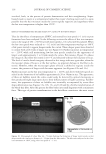
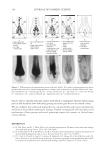
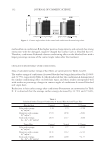
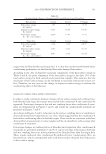
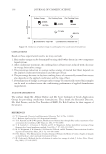
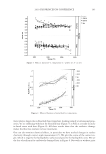
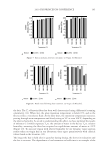
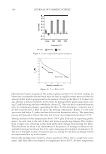
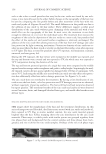
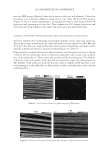
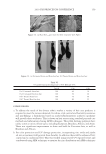
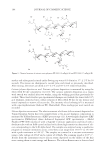
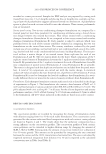
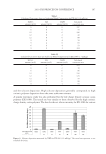
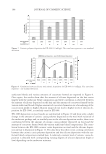
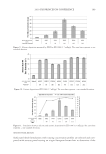
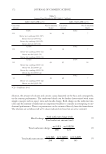
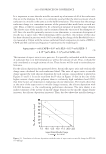
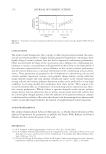
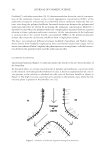
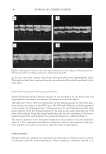
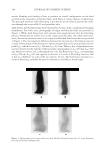
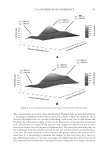
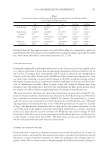
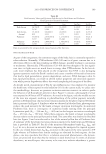
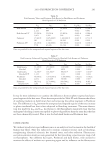
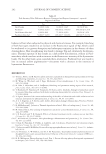
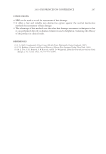
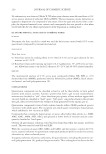
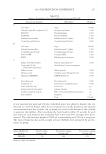
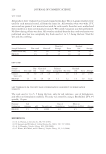
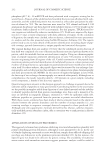
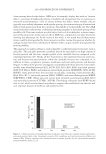
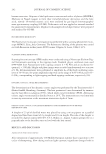
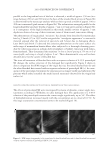
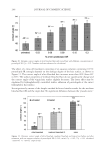
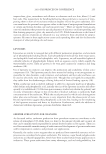
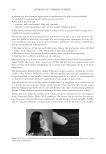
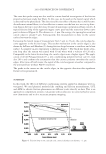
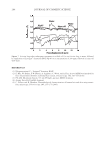
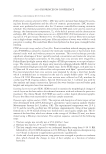
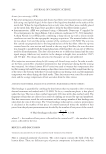
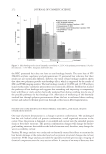
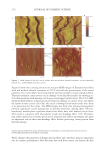
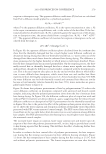
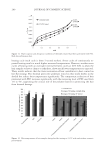
2010 TRI/PRINCETON CONFERENCE 263 The same hair probe setup was also used for a more detailed investigation of the friction properties between single hair fi bers. In this case, we focused on the lateral signal which is detected by the photodiode. The directional friction effect of human hair is well known. As with most animal fi bers, it is less effective to move over the hair in a root to tip direc- tion than in the tip to root direction, because of anisotropic orientation of hair cuticles. A typical friction loop of the approach (upper curve part) and the retraction (lower curve part) is observed (Figure 6). The distance is 1 μm. On average, the spacing between hair cuticle edges is around 5 μm. Consequently, this measurement is done on the cuticle surface between the edges. Increasing the lateral range of measurement from 5 μm to 25 μm, the cuticle edges be- come apparent in the friction loops. This ratchet mechanism at the cuticle edges is also shown by LaTorre and Bhushan (5) during friction loops between a cantilever and a hair surface. A complete in-situ experiment is shown in Figure 7: The black line shows a fric- tion loop after the system was rinsed with 40 ml water with a velocity of 0.20 ml/s. Comparable to the latter friction loop, the cuticle edges cause a higher signal. The appli- cation of 40 ml Polyquaternium-87, a new conditioning polymer for hair care (1), took also 200 s and confi rms the assumption that the cationic polymer smoothes the cuticle edges. After rinse-off with water, the signal of the cuticles appears smoother compared to the untreated hair without PQ-87 treatment. The peaks in the curves are the cuticle edges, in the opposite direction this signifi cant feature is less pronounced. SUMMARY In this work, the effects of different conditioning systems applied in shampoos were in- vestigated. We used physical methods like combing and friction measurements, UST, and AFM to observe friction phenomena on different scales directly on hair. This is an approach to complement sensoric evaluations with an objective in-vitro method to screen new chemistries and to do a structure property mapping. Figure 6. Friction loop on one cuticula scale crossed cylinders scan distance 1 μm.
Purchased for the exclusive use of nofirst nolast (unknown)
From: SCC Media Library & Resource Center (library.scconline.org)