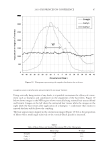
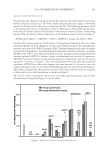
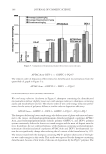
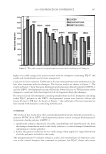
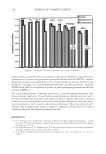
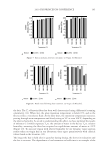
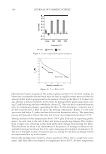
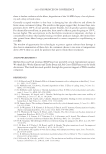
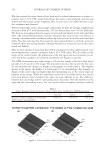
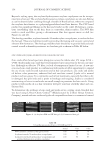
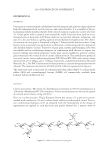
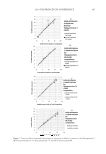
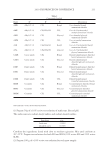
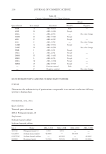
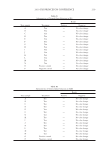
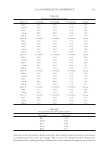
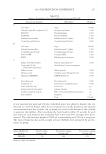
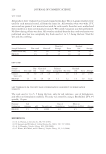
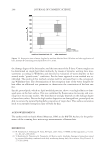
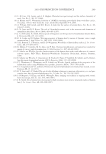
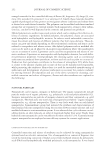
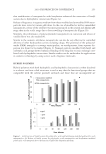
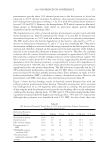
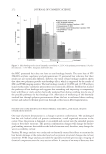
JOURNAL OF COSMETIC SCIENCE 102 polyquaternium-67, and polyquaternium-7 polymers, and a new polymer system ap- proach (DEV-1) under development at Ashland Inc. for their conditioning benefi ts. The conditioning polymers were formulated into a conditioning shampoo and compared with respect to their a) deposition effi ciency for different oils onto hair and b) ability to deliver good wet and dry lubricity to the hair from a cleansing formulation. EXPERIMENTAL MATERIALS 1. INCI: guar hydroxypropyltrimonium chloride, GHPTC-1 (N-HanceTM 3196, Ash- land Inc.) 2. INCI: guar hydroxypropyltrimonium chloride, GHPTC-2 (N-HanceTM 3215, Ash- land Inc.) 3. INCI: acrylamidopropyltrimonium chloride/acrylamide copolymer, APTAC/Acm (N-HanceTM SP-100, Ashland, Inc.) 4. INCI: Polyquaternium-10, PQ-10 (Ucare* Polymer JR-30M, Dow Chemical Com- pany) 5. INCI: Polyquaternium-7, PQ-7 (Merquat* 550, Nalco Company) 6. INCI: Polyquaternium-67, PQ-67 (SoftCAT* SX1300H, Dow Chemical Company) 7. DEV-1, guar hydroxypropyltrimonium chloride and acrylamidopropyltrimonium chloride/acrylamide copolymer (Ashland Inc.) 8. Sodium Laureth Sulfate (2EO) (Standapol* ES-2, Cognis Corporation) 9. Cocamidopropyl betaine (Amphosol* CA, Stepan Company) 10. Carbomer (Carbopol* 980, Lubrizol Noveon® Consumer Specialties) 11. Dimethicanol and TEA dodecylbenzene sulfonate microemuision (Dow Corning* 1784) 12. Jojoba oil (Lipoval* J, Lipo Chemicals, Inc.) Charkit Chemical Corp. 13. Meadowfoam seed oil(Natural Products, Inc.) Charkit Chemical Corp. METHODS Virgin European medium brown hair was supplied as 12-inch tresses from International Hair Importers. Tresses were washed with a 4.5% sodium lauryl sulfate solution prior to applying the shampoo treatment: A) Shampoos compositions used in this study contained 0.25 wt% cationic conditioning polymer and the following ingredients: 12 wt% SLES (sodium laureth sulfate (2EO), 2 wt% CAPB (cocamidopropyl betaine), 1 wt% sodium cloride, 1.5 wt% conditioning oil, and carbomer added for emulsion stabilization. B) Wet and dry combing performance measurements. Combing performance was measured on an Instron* 5542 testing system, equipped with a double comb fi xture. Eight combs were performed per tress, at 23°C and 50% relative humidity. Hair tresses were then allowed to dry overnight at 23°C and 50% relative humidity. *Trademark owned by a third party.

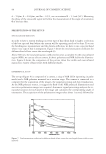
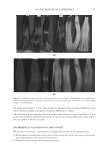
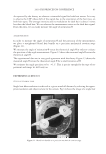
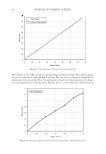
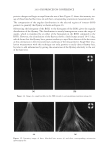
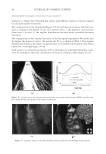
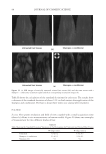
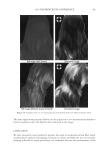
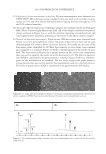
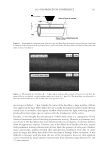
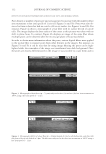
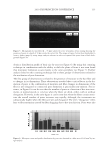
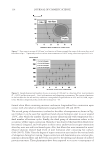
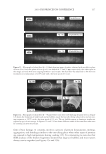
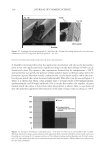
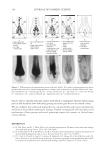
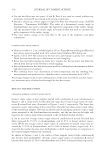
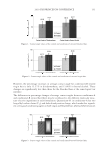
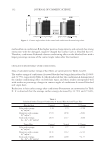
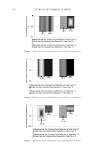
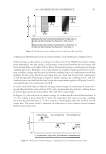
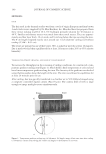
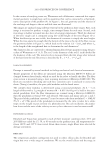
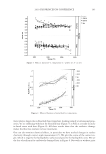
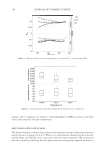
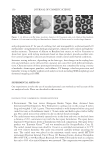
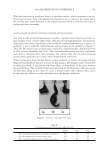
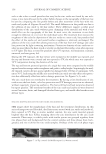
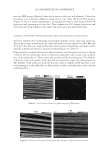
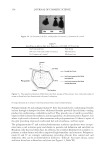
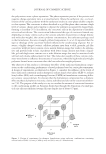
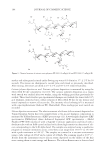
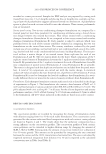
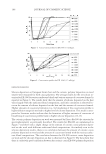
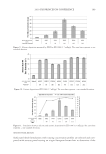
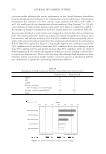
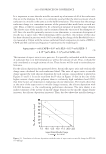
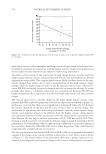
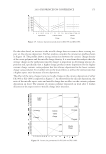
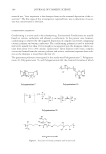
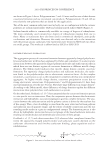
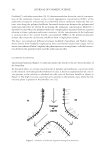
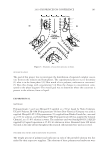
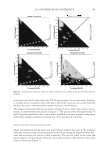
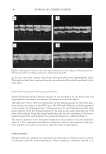
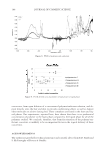
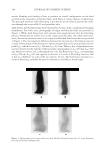
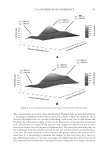
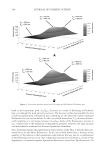
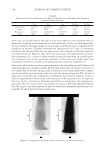
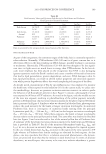
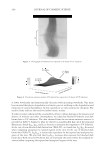
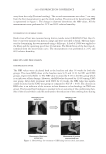
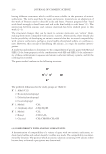
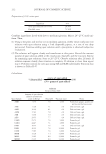
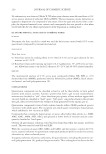
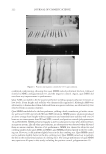
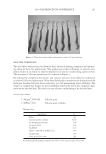
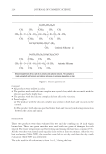
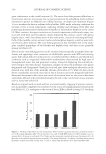
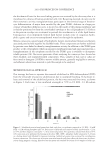
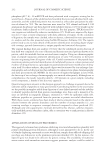
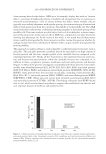
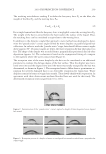
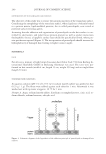
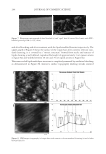
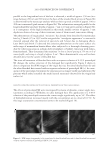
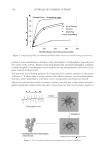
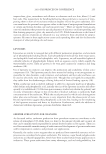
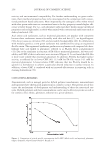
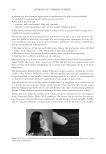
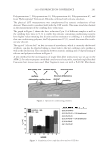
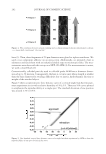
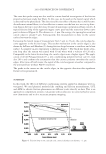
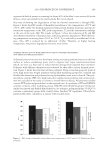
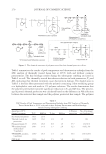
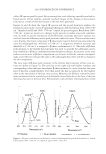
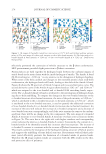
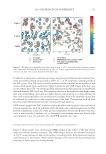
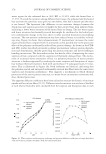
2010 TRI/PRINCETON CONFERENCE 103 C) Coeffi cient of friction measurements on dry hair. Friction measurements were obtained on a CETR UMT* M0 tribometer using a sledge friction test with a silicon wafer counter- surface at 23°C and 50% relative humidity after air drying the hair overnight at 23°C and 50% relative humidity. D) Microscopy. The microstructure of shampoo samples was examined under an Olympus* BH-2 Phase Contrast Light Microscope (LM). All of the samples contained two particle phases as shown in Figure 1(a–c), with the oil phase appearing as round particles and small agglomerates (generally appearing as blue spots in the phase contrast images). E) Natural oil deposition measurements. Virgin brown (VB) hair tresses were extracted with hexane to recover the soluble hair extract. Solutions of hair extracts were run on a gas chromatograph (GC) with a fl ame ionization detector. For jojoba oil, the area of the four major peaks, identifi ed by GC/Mass Spectrometry as ester forms, were summed and compared to a standard. Figure 2a shows a chromatogram for the jojoba oil stan- dard. The four major peaks present a unique pattern of the jojoba ester components that was used to quantify the jojoba oil in the hair extracts (3). The limit of quantita- tion (LOQ) is considered to be approximately 11 mg/kg. Figure 2b shows a chromato- gram for the meadowfoam oil standard. The fi ve major triglyceride peaks present a unique pattern that was used to quantify the meadowfoam seed oil in the hair extracts. The limit of quantitation (LOQ) is considered to be approximately 100 mg/kg. Figure 2. Gas chromatography-fl ame ionization detector chromatograms for (a) jojoba oil and (b) meadow- foam seed oil. Figure(1a–c). Light photomicrographs of shampoo containing acrylamidopropyltrimonium chloride/acryl- amide copolymer (APTAC/Acm) and (a) dimethicanol, (b) jojoba, and (c) meadowfoam seed oils.
Purchased for the exclusive use of nofirst nolast (unknown)
From: SCC Media Library & Resource Center (library.scconline.org)