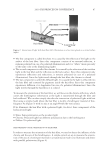
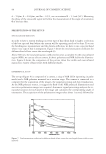
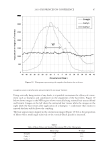
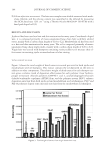
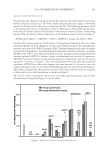
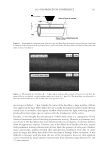
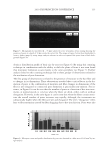
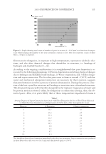
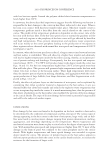
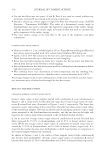
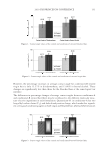
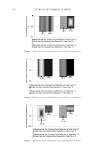
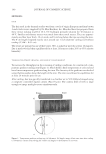
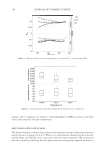
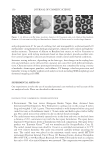
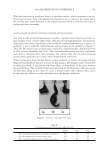
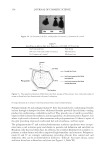
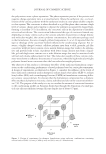
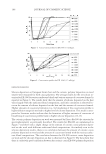
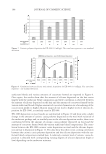
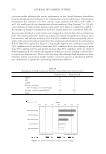
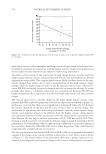
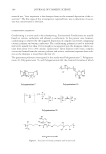
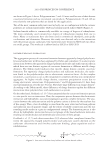
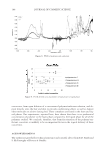
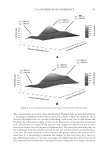
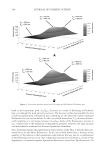
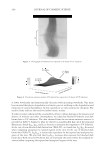
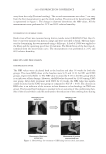
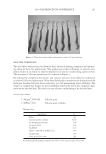
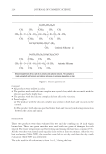
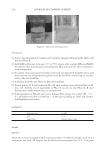
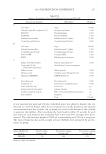
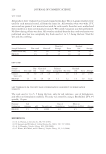
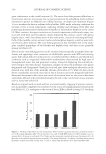
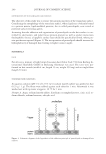
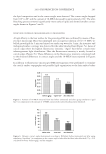
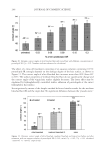
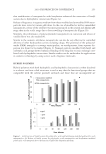
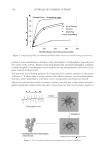
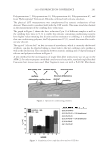
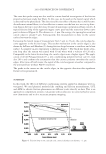
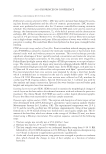
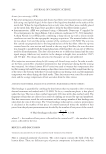
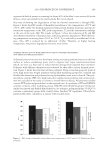
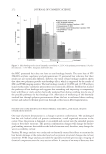
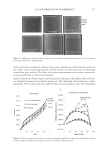
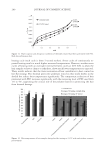
JOURNAL OF COSMETIC SCIENCE 104 F) Silicone deposition measurement. The hair tress samples were double extracted with meth- ylene chloride, and the silicone content was quantifi ed in the infrared by measuring the SiCH3 band near 1261 cm-1 using a Thermo-Nicolet MAGNA* 560 FTIR with a fi xed path liquid cell (2). RESULTS AND DISCUSSION Jojoba oil has been used as a hair and skin moisturizer for many years. Considered a liquid wax, it is composed primarily of mono-unsaturated long chain fatty acid/fatty alcohol esters, mainly with a carbon chain length of C18 to C22. Meadowfoam oil has been used as a hair and skin moisturizer for many years. The oil is composed primarily of mono- unsaturated long chain triglycerides, mainly with a carbon chain length of C20 to C22. Virgin hair was treated with shampoos containing various additives to measure their ef- fectiveness in retaining jojoba or meadowfoam oil after rinsing. TOTAL DEPOSIT ON HAIR Figure 3 shows the total weight of dried extract recovered per tress for both jojoba and meadowfoam seed oil shampoos. This extract contains the oil deposited on the tress in addition to other components. The relative weight of dried extract for each shampoo sys- tem gives a relative trend of deposition effectiveness for each polymer. Guar hydroxy- propyl trimonium chloride polymers GHPTC-1 and 2, acrylamidopropyltrimonium chloride/acrylamide copolymer APTAC/Acm, and the polymer system DEV-1 enhance deposition onto hair from both jojoba oil and meadowfoam seed oil shampoos. PQ-7 and PQ-10 polymers deposit some material onto hair from the meadowfoam oil shampoos. Figure 3. Total weight of extract from virgin brown hair tress.

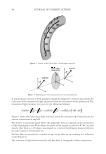
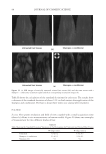
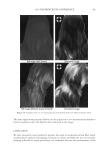
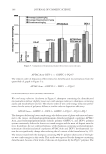
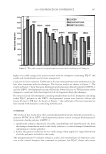
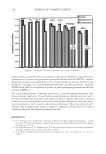
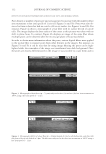
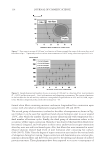
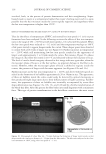
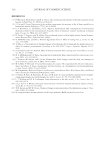
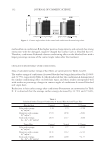
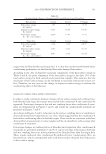
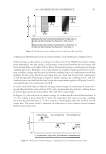
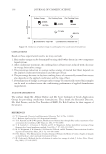
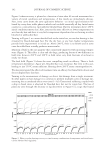
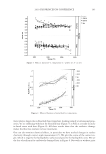
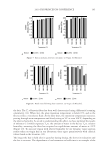
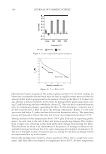
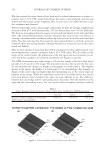
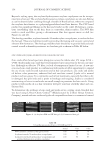
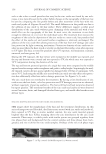
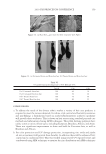
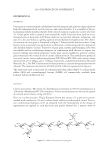
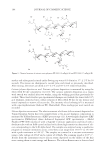
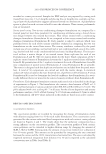
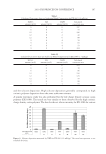
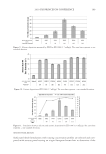
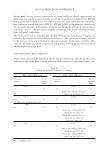
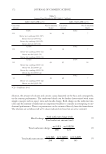
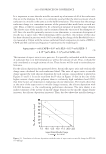
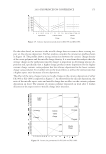
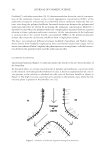
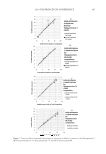
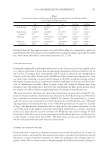
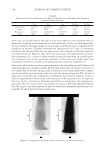
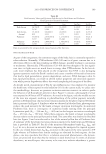
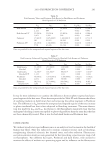
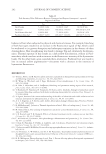
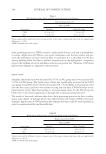
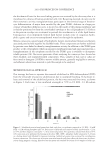
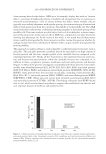
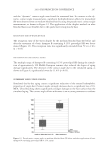
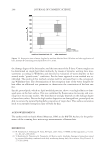
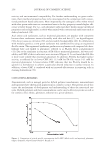
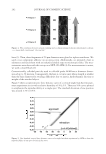
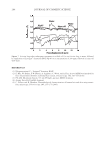
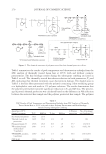
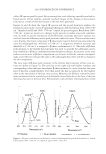
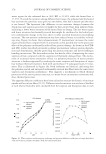
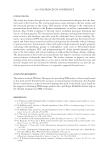
2010 TRI/PRINCETON CONFERENCE 105 AMOUNT OF OIL DEPOSIT ON HAIR To determine the amount of oil present in the hair deposits, the dried extracts were redis- solved in heptane and run on a GC with a fl ame ionization detector. Figure 4 shows the amount of oil recovered in the extract as measured by GC. The following polymers, listed in decreasing effectiveness of deposition, enhance deposition of both jojoba and meadow- foam seed oil onto hair relative to the shampoo containing oil without cationic conditioning polymer. PQ-10 polymer enhances deposition of meadowfoam seed oil, but not jojoba oil. APTAC/Acm∼DEV-1GHPTC-2 ∼PQ-67GHPTC-1 (jojoba oil)PQ-10PQ-7 As shown by comparing Figure 4 with Figure 5, the polymers depositing the most jojoba and meadowfoam oil from shampoos are also good deposition agents for dimethicanol, with the exception of the PQ-67 polymer. PQ-67 polymer shows poor silicone oil deposi- tion from this formulation. Acrylamidopropyltrimonium chloride/acrylamide copolymer APTAC/Acm, DEV-1 developmental polymer system, and guar hydroxypropltrimonium chloride polymer GHPTC-2 enhance jojoba, meadowfoam and silicone oil deposition. The PQ-67 polymer enhances jojoba and meadowfoam oil deposition, but not silicone oil deposition. As shown in Figure 5, the acrylamidopropyltrimonium chloride/acrylamide copolymer APTAC/Acm effectively deposits the same amount of silicone oil onto the virgin brown hair, even at 33% reduced dimethicanol silicone oil levels in the shampoo. This enhanced deposition effectiveness at reduced oil levels, however, does not translate to the natural oils in this formulation, as shown in Figure 5. The relative order of deposition effectiveness for jojoba and meadowfoam seed oil from the quantifi ed oil graph in Figure 5 is in the order: Figure 4. Amount of oil deposit on virgin brown hair tress.
Purchased for the exclusive use of nofirst nolast (unknown)
From: SCC Media Library & Resource Center (library.scconline.org)