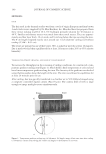
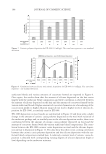
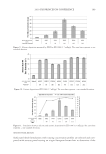
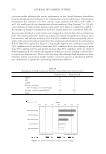
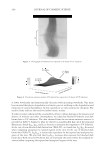
JOURNAL OF COSMETIC SCIENCE 266 moisture content, conditioners, polymers and heating modes. Changes in hair mechanical properties, combing force and tryptophan by curling ironing treatment at 120–160°C were demonstrated in the literature as well. High-temperature decomposition of hair keratin has been studied by using DSC (4,5). On the other hand, the literature refl ects limited amount of research on hair damage and protection from using hot fl at ironing at a temperature over 200°C. In this work, hair damage from thermal treatment was studied in different aspects by several techniques towards understanding hair thermal damage and the protective effect by cosmetic pretreatment. It is also our objective to understand the thermal protection mechanism, such as the role of moisture regain of hair on controlling hair temperature from repeated heating. Also, the alleviation of weakening of hair and the consequent re- duction in hair breakage through combing using polymers with different functional groups highlights the structure-property relationships important for thermal protection effi cacy. MATERIALS AND METHODS POLYMERS VP/acrylates/lauryl methacrylate copolymer, PEC (polyelectrolyte complex of methylvi- nylether/maleic acid copolymer and polyquaternium-28 (6,7)), polyquaternium-55, co- polymer of VP and DMAPA acrylates, and other polymers used in this study were supplied by International Specialty Products (ISP). Hydroxyethylcellulose (HEC) was supplied by Aqualon. These ingredients are used as supplied and not purifi ed and modi- fi ed in any way. HAIR SAMPLES European dark brown hair was purchased from International Hair Importers. Each hair tress was 1.5” wide, 3.5 g in weight and 6.5” in length of loose hair. Asian hair tresses were supplied from a local commercial source in China made with the same specifi cations. THERMAL TREATMENT OF HAIR Hair tresses were hot fl at ironed by a controlled 12-minute treatment schedule. The tem- perature of hot iron used in this work was 232°C unless specifi ed elsewhere. First, the hair tresses were washed with 10% sodium lauryl ether sulfate (SLES) and dried with a hair blow dryer set on hot. Then hair tresses were thermally exposed for a short (12 seconds) intermittent heating cycle separated with SLES washing every 4 minutes for a total of 12 minutes thermal treatment. If a protective agent was tested, tresses were pretreated with 0.5 g of a 1% polymer solution for Asian hair or 0.5 g of a 1% polymer solution made into 0.5% hydroxyethyl cellulose (HEC), after the SLES wash, then dried and followed with hot fl at ironing. At the end of the 12-minute hot ironing, the tresses were washed with 10% SLES again and dried for subsequent combing to quantify hair breakage. The polyelectrolyte complex (PEC) was supplied and tested at 2%, unless specifi ed.

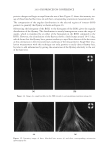
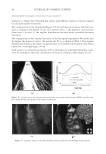
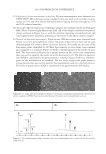
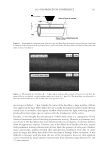
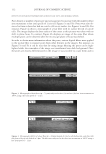
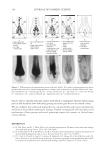
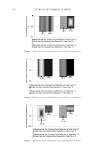
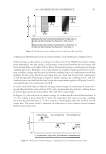
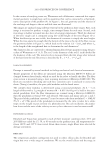
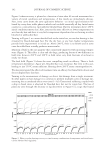
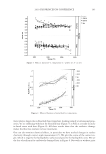
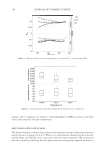
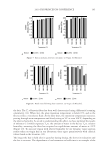
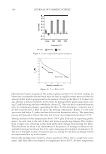
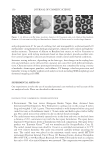
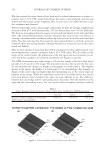
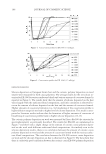
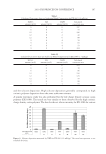
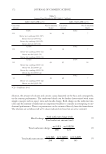
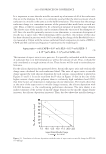
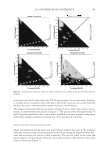
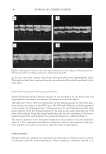
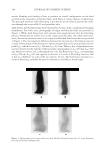
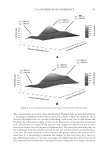
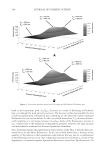
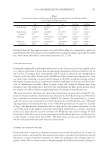
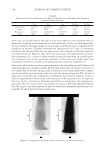
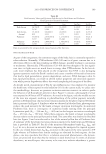
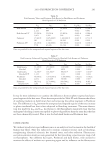
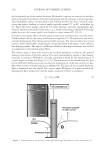
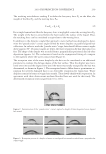
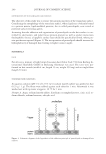
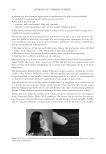
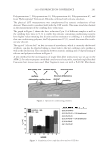
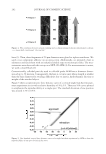
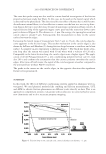
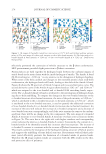
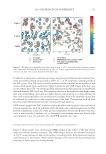
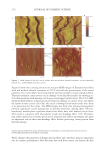
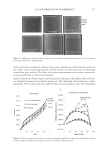
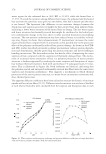
2010 TRI/PRINCETON CONFERENCE 267 ASSESSING HAIR DAMAGE BY PHYSICAL TOOLS Differential scanning calorimetry (DSC). DSC was used to measure hair damage by assess- ing hair keratin degradation and the effect of cosmetic pretreatments. DSC measure- ments were performed on tresses after the 12-minute controlled hot ironing treatment schedule. Two thermal parameters derived from the DSC peak were used to assess hair damage: the denaturation temperature, Td, of the helical protein and the denaturation enthalpy, ΔH. All hair samples were run on a Q2000 DSC (TA Instruments) at a heat- ing rate of 2°C per minute. Between 8 to 13 milligrams of cut hair fi bres were used per run in high volume stainless steel pans. Fifty microliters of water were added to each pan prior to sealing. The sealed hair fi bers were hydrated in their pans overnight before running. FTIR spectroscopic image analysis of hair fi bers. Fourier transform infrared imaging spectros- copy (FT-IRIS)was utilized to examine the molecular modifi cation of hair keratin from thermal insult with and without protective treatment. This novel technique provides signifi cant advantages of direct spatially resolved concentration and molecular structure information for sample constituents. In this study, hair cross sections were imaged by a Perkin Elmer Spotlight system which couples a FT-IR spectrometer to an optical micro- scope. The system consists of a linear array mercury-cadmium-telluride (MCT) detector and an automated high precision XY sample stage. In the FTIR images, each pixel size is 6.25μm and 16 scans were collected for each spectrum with 8μm−1 spectral resolution. Five-micrometer-thick hair cross sections were prepared by slicing a short hair bundle which is embedded into ice mounted on the top of a sample holder under -30°C using a Leica CM 1850 Microtome. Hair cross sections were collected on CaF2 windows for conducting FT-IR imaging analysis. Spectral Dimensions Isys 3.1 software was used for data analysis and image construction. Spectral data were baseline-corrected before peak heights and integrated area were measured. Scanning electron microscopy (SEM). SEM was used to examine the morphological changes of cuticle layers on the hair surface after thermal treatment with and without the protective treatment. The Amray Model 1820 SEM was used to collect digital photomicrographs. Four to fi ve fi bers were examined for each hair sample treatment. Dynamic vapor sorption analysis (DVS). The sorption and desorption of water vapor on hair were determined with a DVS Advantage-1 gravimetric vapor sorption analyzer (Surface Measurement Systems Ltd., London, UK). The experimental temperature was 25.0 ± 0.1°C and the total N2 gas fl ow was 200 ml/min. Approximately, 40mg of hair samples formed into a 20-30 strands of loop were loaded onto a tared quartz sample pan. The di- ameter of the hair fi ber, which was chosen as the average of 30 fi bers (59 um), was deter- mined using a Mitutoyo micrometer. The sorption sequence consisted of the following steps: 1. The hair sample was initially wet at 95% RH for 1 hour. 2. The hair was dried at 25 °C and 0 %RH for 12 hours. 3. The hair samples were exposed to an isothermal humidity ramp from 0–90 % RH followed by a 90–0% RH desorption in 10% RH steps. Each sorption-desorption step was 4 hours in duration to approximate gravimetric equilibration. 4. At the end of each partial pressure, step points were averaged to produce an isotherm plot, which showed the change in mass of hair samples as a function of relative humidity.
Purchased for the exclusive use of nofirst nolast (unknown)
From: SCC Media Library & Resource Center (library.scconline.org)