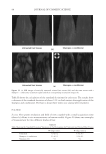
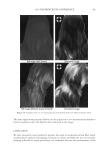
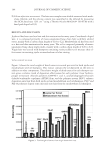
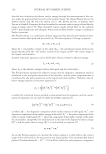
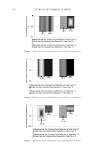
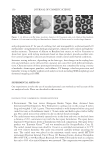
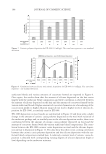
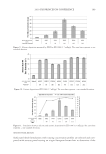
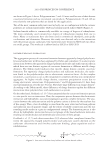
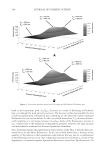
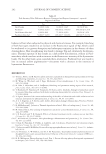
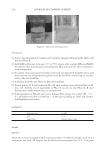
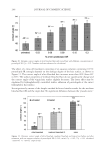
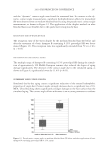
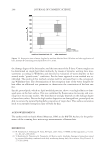
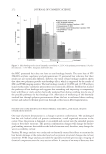
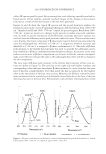
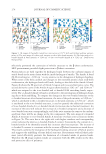
JOURNAL OF COSMETIC SCIENCE 268 Atomic force microscopy (AFM). • Specimen preparation. European dark brown hair fi bers were mounted onto a steel sample disk using a nail polish liquid. A thin layer of the liquid was brushed on the surface of the metal disk. When the liquid hardened into a tacky state, hair fi bers were carefully placed on the metal disk. The liquid dries quickly to keep the hair fi bers fi rmly in place. • Instrumentation. AFM was performed using a Mutimode Nanoscope V supplied by Veeco Instruments, Inc (Santa Babara, CA) at ambient conditions (22°C, 50% humidity). A sharp Nitride lever (SNL) probe combining a sharp silicon tip with a silicon nitride cantilever was used for the topographic imaging acquisition. The nominal radius of the tip was about 2 nm and the spring constant of the cantilever is 0.06 N/M. The scan was fi rst carried out perpendicular to the longitudinal axis of the hair fi ber. After the tip was centered over the cross section and located at the very top of the fi ber, the scan direction was changed to parallel with the longitudinal axis of the hair fi ber. A scan rate of 1Hz was used for all measurements. The data collection was set to defl ection channel and the error signal images, which are very sensitive to the changes in height, were recorded at 15×15 and 5×5 μm2. The image data presented in this paper are raw and unfi ltered. Hair temperature measurement during hot fl at ironing with thermal image analysis. In order to evalu- ate the heat control effect of polymer pretreatment, hair temperature during hot fl at ironing was measured. An infrared camera (Flir P series) was used to measure hair temperature after hot fl at ironing with an IR beam aiming on hair. Hair tresses were hot fl at ironed from the top of the tress to the bottom, with three 5-second strokes as one heating cycle, and the maximum temperature was taken during the third stroke. Three hair tresses were tested for each treat- ment and the average temperature of hair was taken from the three tresses. ASSESSING HAIR THERMAL DAMAGE BY QUANTIFYING HAIR BREAKAGE FROM COMBING Hair breakage is quantifi ed by combing the dried tresses that was exposed to the 12 minutes thermal treatment and washed with 12% SLES. To do so, a translucent plastic is fi rst placed under the tress. The tress is then combed vigorously 100 times with a fi ne-toothed comb. The fragments of hair that are collected as a result of combing are secured by tape and numbered. Five hair tresses were tested for each treatment and the average number of hair breakage was taken from the tests of fi ve tresses. The % hair breakage reduction by a cosmetic pretreatment is calculated as the number of hair pieces of control (untreated) minus the number of hair pieces from the polymer pretreatment test divided by the number of hair pieces of the control: C T % Hair breakage reduction 100 C − = × where C = the number of hair pieces collected for the control and T = the number of hair pieces collected for the test. RESULTS AND DISCUSSION THERMAL DEGRADATION OF HAIR KERATIN FROM THERMAL TREATMENT Hair is composed primarily of proteins. The cortex region contains the bulk of the hair keratin fi bers. There are different types of protein components in human hair, with the

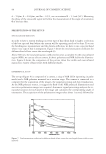
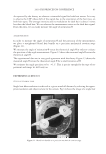
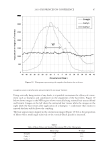
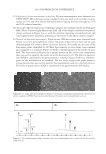
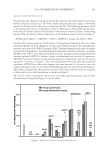
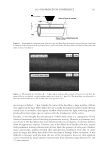
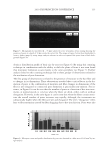
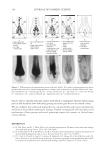
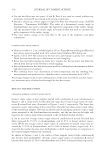
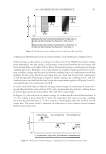
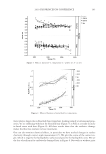
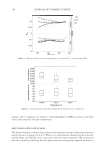
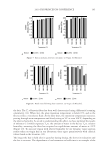
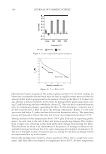
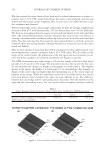
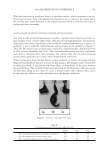
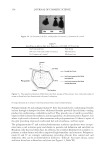
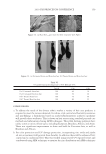
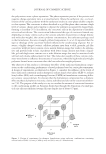
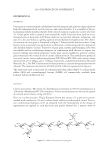
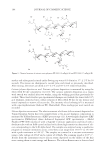
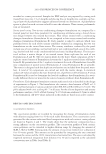
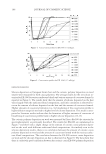
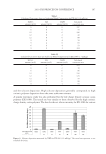
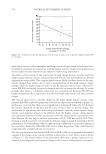
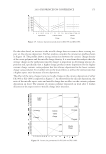
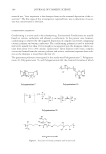
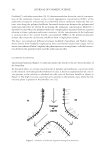
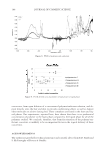
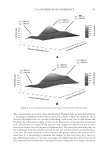
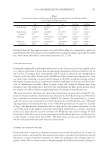
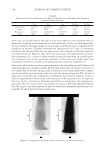
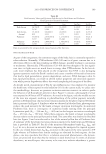
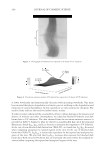
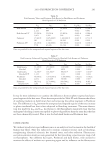
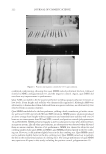
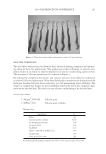
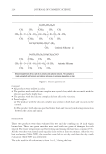
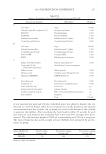
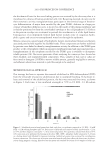
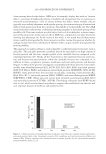
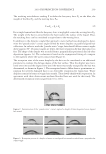
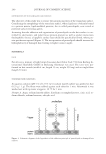
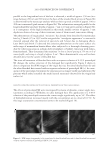
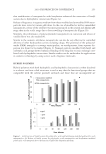
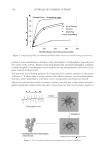
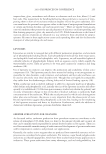
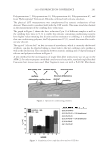
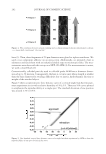
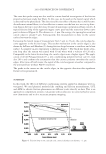
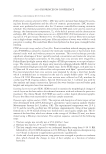
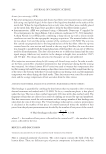
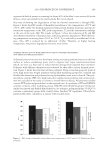
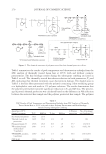
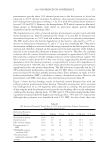
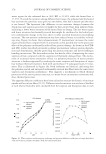
2010 TRI/PRINCETON CONFERENCE 269 organized α-helical protein accounting for about 40% of the fi ber's cross section (8) in the fi brous cortex surrounded by the multicellular fl at cuticle sheath. One way of showing the degradation of hair by thermal treatments is through DSC. Figure 1 shows the DSC results of thermally treated hair at two temperatures, 205°C and 232°C. DSC yields two thermal parameters from protein thermal transition: protein de- naturation temperature or the DSC peak temperature, Td and the denaturation enthalpy or the area of the peak, ΔH. The results in Figure 1 show the reduction of Td and ΔH after thermal treatment of European hair, indicating protein degradation. With the heat- ing temperature increasing from 205°C to 232°C, Td is reduced by an additional 20 de- gree. Also, ΔH is reduced by an additional 14.9J/g. Therefore, at higher heating temperature, the protein degradation becomes more severe. THERMAL PROTECTION OF HAIR KERATIN BY VARIOUS POLYMER TREATMENTS AND THEIR ANTI-BREAKAGE EFFECT A thermal protection route was developed aiming to putting polymer barrier on the hair surface to reduce overheating spots, and to improve hair vapor retention/restoration which can serve as a heat sink to reduce thermal damage from repeated heat treatment. Polymers with different chemistries are evaluated for their effect on hair thermal protec- tion. Figure 2 shows the structures of these polymers. From a structure-property point of view, high molecular weight polymers having fi lm-modifying groups for a smooth and fl exible fi lm formation and polymers having hydrophobic units were evaluated. The poly- electrolyte complex (PEC) of a high molecular weight anionic polymer and cationic poly- mer was included in the study as it forms a smooth fi lm on drying. All polymers studied contain PVP (polyvinylpyrrolidone) in the repeated unit. A copolymer of VP and DMAPA acrylates contains a fi lm modifying group, DMAPA (dimethylaminopropyl methacryl- amide) for smooth and fl exible fi lm formation. Its analogue, polyquaternium-55 (PQ-55) contains a quaternary group with a lauryl chain. Another VP copolymer, VP/acrylates/ lauryl methacrylate copolymer, is anionic with a lauryl chain. Figure 1. DSC results of thermally treated hair at two temperatures, 205°C and 232°C. Dark brown Euro- pean hair.
Purchased for the exclusive use of nofirst nolast (unknown)
From: SCC Media Library & Resource Center (library.scconline.org)