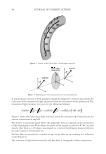
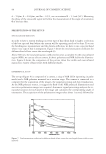
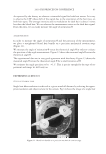
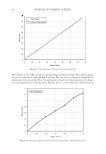
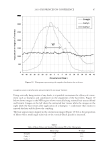
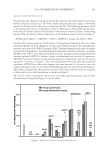
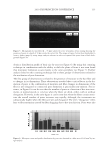
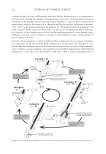
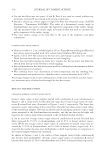
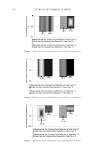
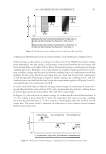
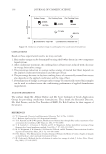
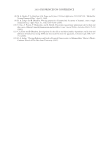
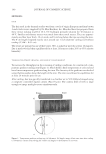
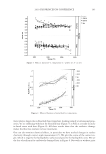
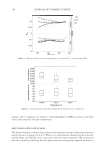
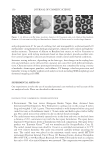
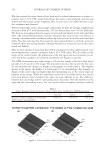
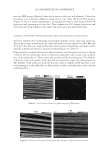
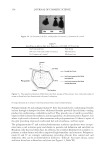
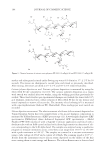
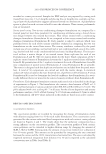
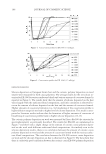
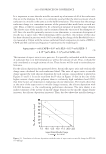
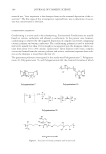
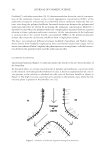
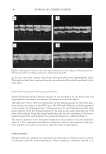
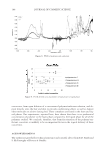
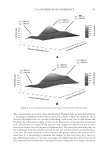
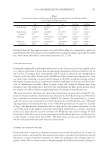
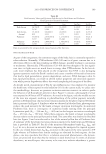
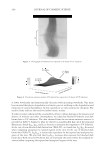
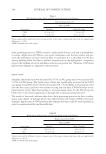
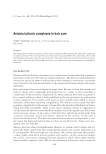
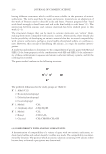
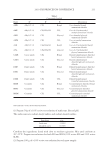
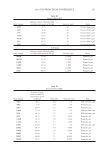
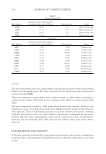
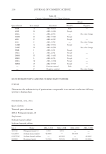
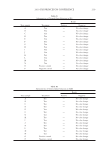
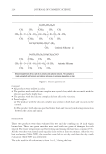
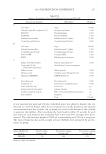
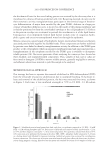
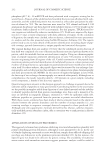
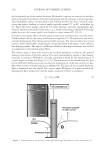
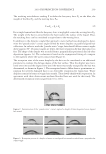
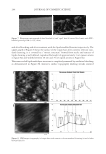
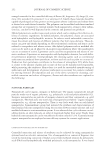
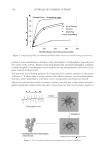
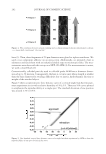
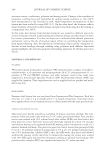
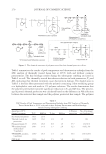
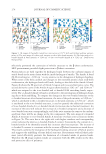
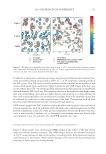
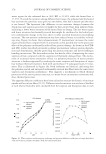
JOURNAL OF COSMETIC SCIENCE 270 Table I summarizes the results of peak temperature and denaturation enthalpy from the DSC analysis of thermally treated Asian hair at 205°C with and without cosmetic pretreatment. The hair breakage results during the subsequent combing are listed in Table I as well. The thermally treated hair shows reduction in both parameters, Td and ΔH, indicating that thermal treatment causes hair protein damage. The shaded areas in Table I is the hair fi bers pretreated with the polymer containing a fi lm modifying group or a hydrophobic unit and made in 1% polymer solutions. The results demonstrate that the polymer pretreatment provide signifi cant reduction in Td and ΔH loss. The percent- age of protein thermal protection was calculated based on the difference in ΔH reduction between the untreated hair sample and the polymer pretreated hair sample. The polymer Table I DSC Results of Peak Temperature and Denaturation Enthalpy from DSC Analysis of Thermally Treated Asian Hair at 205°C with and without Polymer Pretreatment and Hair Breakage Results During Subsequent Combing Asian hair, 205°C thermal treatment Td°C ΔH(J/g) Td loss ΔH loss % Protein protection No. of breakage/ anti-breakage (%) No thermal treatment 140.4 20.5 Thermal treated, no protection 136.5 16.0 3.9 4.5 193 Polyquaternium-55 139.6 18.6 0.8 1.9 57.7 132/31% VP/acrylates/lauryl methacrylate *copolymer 138.7 17.9 1.7 2.6 42.3 91/52.5% VP/DMAPA acrylates Copolymer 138.9 18.5 1.5 2.0 55.5 130/32.6% PVP K-90 135.0 14.6 5.5 5.9 0.0 192/0% Figure 2. The chemical structures of polymers tested for their thermal protective effects.

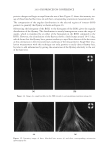
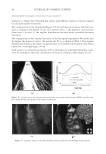
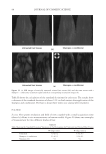
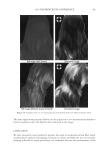
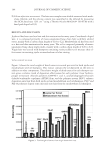
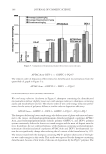
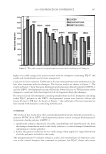
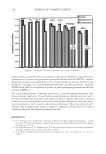
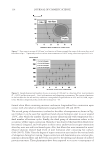
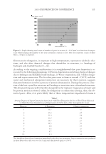
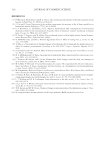
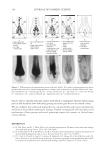
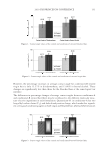
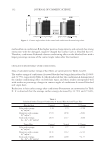
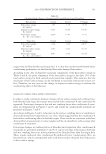
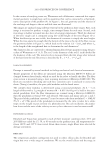
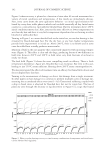
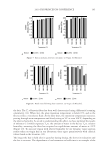
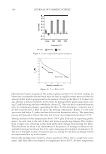
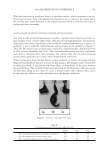
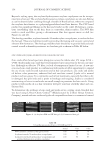
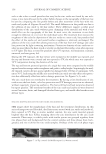
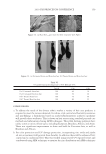
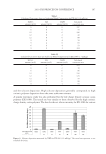
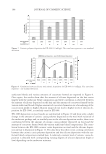
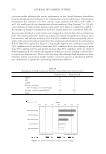
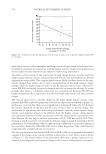
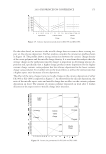
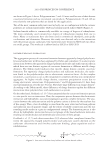
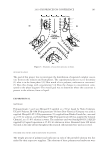
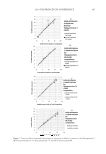
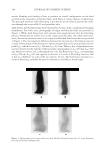
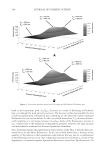
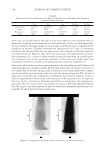
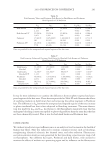
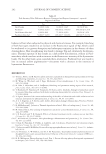
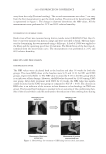
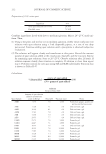
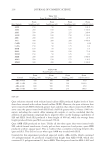
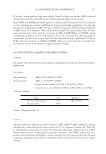
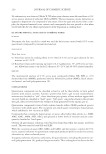
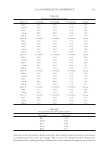
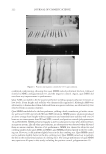
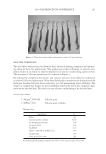
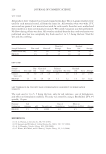
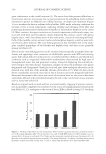
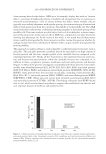
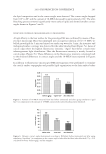
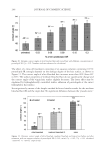
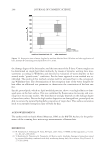
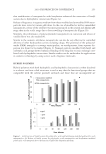
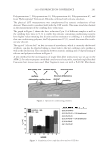
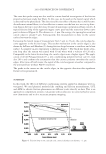
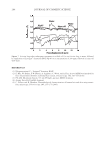
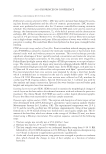
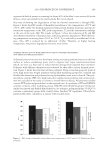
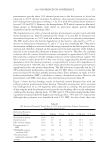
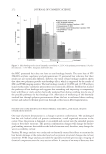
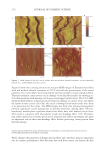
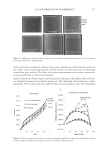
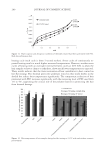
2010 TRI/PRINCETON CONFERENCE 271 pretreatments provide about 50% thermal protection to the hair protein in Asian hair subjected to 205°C thermal treatment. In addition, these polymer pretreatments reduce hair breakage from subsequent combing, i.e. by 52% with VP/acrylates/lauryl methacry- late and 31% for PQ-55. However, the homopolymer, PVP which contains no fi lm mod- ifying groups or hydrophobic units shows no protection against protein thermal degradation and no anti-breakage effect. The thermal protective effect of selected polymer pretreatments was also tested with dark brown European hair. Table II summarizes the results of Td and ΔH for European hair after thermal exposure at 232°C with and without the protective polymer pretreatment. The DSC results show the thermal degradation of hair keratin, indicated by a 25°C re- duction in denaturation temperature Td and a 17.2 J/g loss of enthalpy ΔH. The protein denaturation enthalpy is associated with the energy required for the helical protein dena- turation and, therefore, depends on the amount and structural integrity of the α-helical material in the intermediate fi laments of human hair cortex (9). Therefore, the enthalpy reduction after the current thermal treatment corresponds to approximately 90% loss of helical protein compared with the enthalpy reduction of the untreated hair sample. The helix content occupies about 40% of hair cross section, suggesting that the helix protein degradation from the thermal treatment is responsible for at least 36% degradation of overall hair protein. The DSC data in Table II also shows that the polymer pretreatments signifi cantly reduce the protein degradation. The ΔH reduction is especially low for 1% VP/acrylates/lauryl methacrylate copolymer and 2% PEC where it is observed that ΔH losses are than 10% for these polymer pretreated hair. These polymers are made in 0.5% hydroxyethylcellulose (HEC), a thickener to enhance distribution on hair. However, the pretreatment with HEC alone shows only small protein protection (Table II). Figure 3 shows the hair breakage results of thermally treated European hair with and without polymer pretreatment before heating. Thermally stressing hair led to increased hair breakage from 52 to 214 fragments when subjected to combing. The pretreatment of hair samples with the polymers tested provides anti-breakage effect on the subsequent combing after heating. Among them, 2% PEC and 1% VP/acrylates lauryl methacrylate copolymer treatments show the highest anti-breakage effect, 76% and 55%, respectively. Although three polymers were formulated with 0.5% HEC, the data clearly show that Table II DSC Results of Thermally Treated Hair at 232°C with and without Polymer Pretreatment (dark brown European hair) Dark brown European hair, 232°C heating Td °C ΔH(J/g) Td Loss ΔH Loss % ΔH Loss % Td Loss No thermal treatment 141.6 19.1 Thermal-treated 116.7 1.9 25 17.2 90.1 17.7 HEC and heat damage 123.6 4.9 18 14.2 74.3 12.7 Polyquaternium-55+ HEC 131.6 12.4 10 6.7 35.1 7.1 VP/DMAPA acrylates copolymer+HEC 133.6 13.2 8 5.9 30.9 5.6 VP/acrylates/lauryl methacrylate copolymer+HEC 141.2 18.6 0.4 0.5 2.6 0.3 2% PEC 140.2 17.2 1.36 1.85 9.7 1.0
Purchased for the exclusive use of nofirst nolast (unknown)
From: SCC Media Library & Resource Center (library.scconline.org)