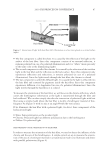
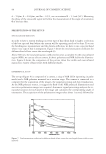
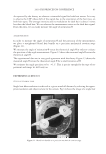
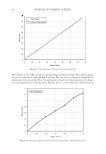
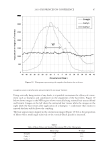
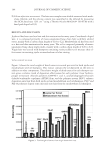
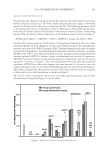
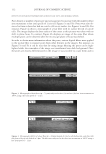
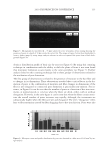
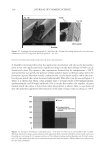
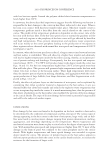
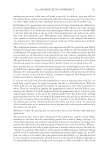
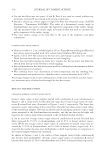
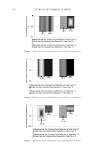
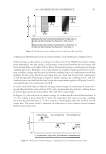
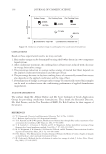
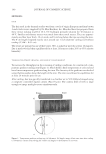
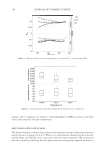
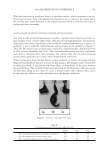
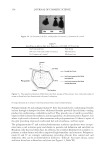
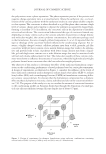
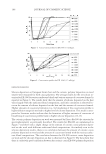
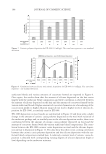
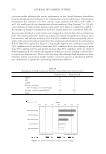
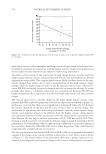
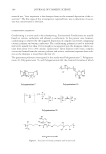
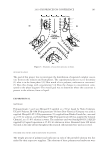
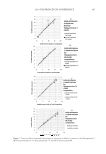
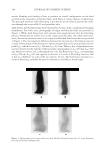
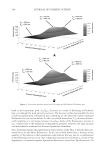
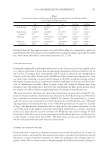
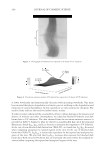
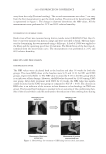
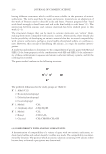
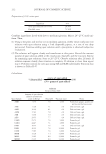
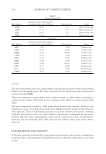
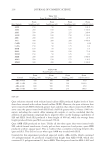
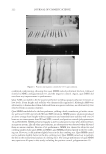
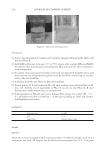
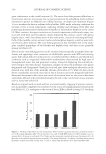
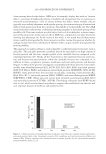
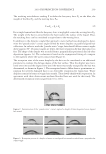
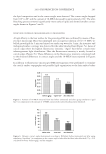
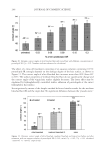
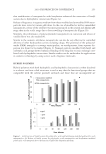
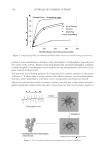
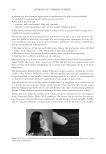
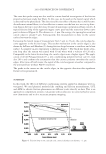
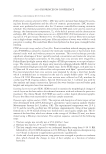
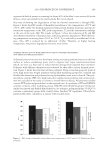
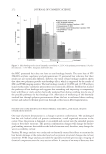
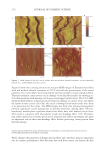
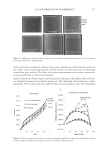
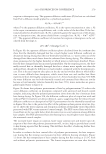
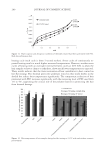
JOURNAL OF COSMETIC SCIENCE 272 the HEC pretreated hair does not have an anti-breakage benefi t. The error bars of VP/ DMAPA acrylates copolymer and polyquaternium-55 pretreated hair indicates that their results are not statistically different, however, the trend of hair breakage numbers shows that these two polymers provide anti-breakage effect, which is supported by the results of DSC and FTIR imaging analysis. The hair breakage results of 2% PEC and 1% VP/acrylates lauryl methacrylate copolymer pretreatment are statistically different. Robbins has studied the pathways of hair breakage and suggests that extending and impacting or compressing hairs with fl aws or cracks and/or chemically weakened hair during combing may be one of the possible pathways for hair breakage (10). Alleviation of weakening of the thermally insulted hair through polymer pretreatments allows the hair to withstand these combing stresses and indicates thermal protection through a reduction in fi ber fragmentation. PROTEIN STRUCTURE MODIFICATION FROM THERMAL TREATMENT—FTIR IMAGE ANALYSIS OF HAIR CROSS SECTION One type of protein denaturation is a change in protein conformation. The undamaged hair has a α- helical coiled coil protein confi rmation, a well organized structure in the cortex. Once the protein is damaged, it can unfold and convert into the extended protein chain or beta sheet structure. The protein conformation changes will change the hydro- gen bonding structure that stabilizes the helical structure and, therefore, may change the water accessibility to hair. Further, IR image analysis was conducted on thermally treated hair fi bers to examine the hair keratin damage at the molecular level such as protein structural changes due to heat treatment. FTIR image analysis provided the spatially resolved spectroscopic imaging of chemical components over the cross section of hair. It consists of an array of detectors that Figure 3. Hair breakage reduction of thermally treated hair at 232°C with polymer pretreatment, 1% poly- mer solution + 0.5% HEC. European dark brown hair.

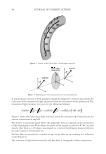
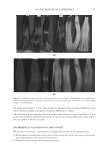
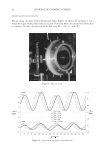
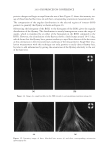
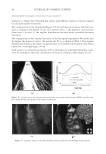
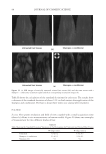
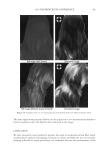
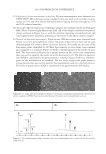
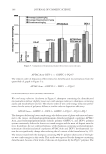
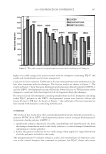
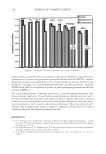
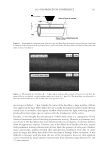
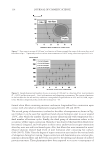
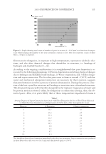
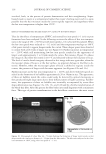
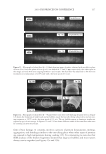
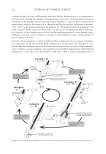
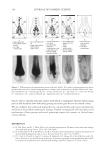
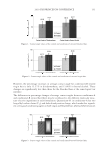
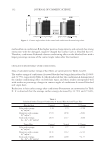
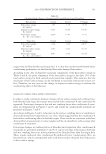
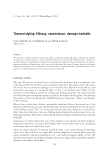
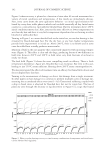
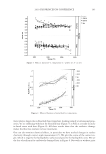
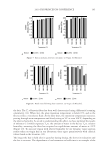
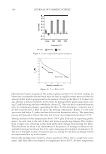
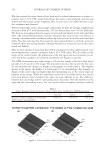
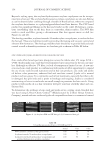
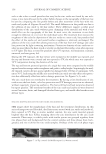
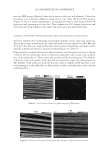
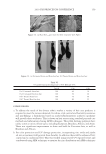
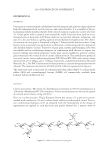
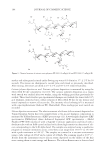
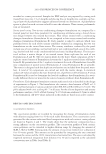
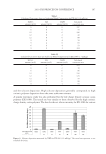
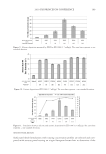
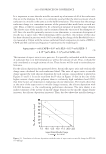
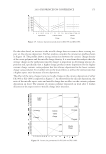
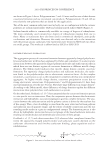
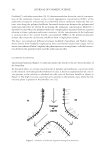
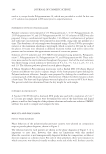
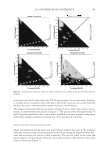
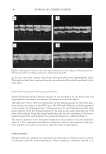
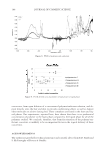
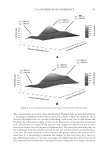
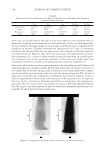
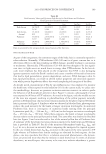
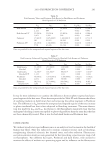
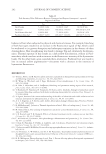
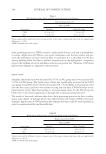
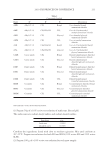
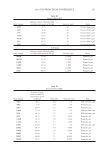
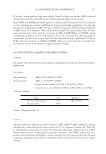
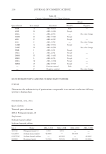
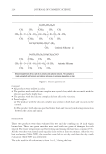
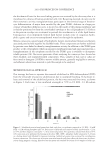
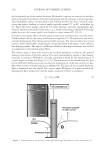
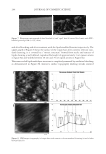
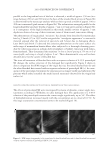
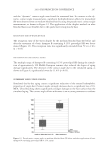
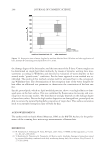
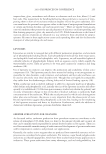
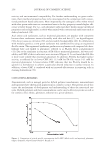
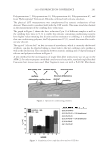
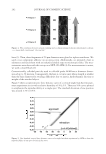
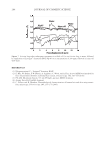
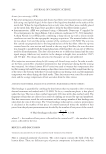
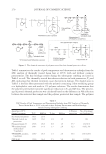
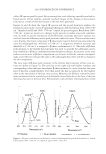
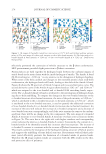
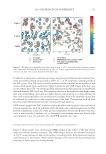
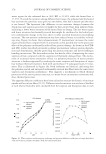
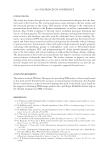
2010 TRI/PRINCETON CONFERENCE 273 collect IR spectra pixel by pixel. By sectioning hair, and collecting spatially resolved in- frared spectra of hair samples, spatially resolved images of the changes in hair protein structure as a result of thermal stresses to the hair were generated. Figures 4a and 4b show the typical IR spectra and the second derivative analysis of a random location in the cortex of undamaged European dark brown hair from 1480-1700 cm−1(Amides I and II) and 3000- 3700 cm−1(Amide A) spectral regions. Bands from 1480- 1700 cm−1 region are sensitive to changes in the protein secondary structural conforma- tion. In order to get the resolutions of the IR bands, secondary derivative analysis was used to locate the different protein peak positions under the curve. The second derivative curve displays the minor component of β-sheet and a major α-helical structure under the curve for undamaged hair. Amide II at 1548 cm−1 is assigned to α-helical structure and Amide II at 1516 cm−1 is assigned to β-sheet conformation (11.). The radio of β-sheet peak intensity to the α-helix band intensity was used to quantify the additional conver- sion of α-helix to β-sheet conformation from thermal treatment. An increase in the ratio indicates an increase in β-sheet composition or a decrease in α-helix content correspond- ingly, and if the ratio remains the same as the undamaged hair, there will be no change in the two components. The ratio maps of β-sheet peak intensity to the α-helix band intensity of hair cross sec- tions are shown in Figure 5a. The ratio bar at the right side with higher numbers and corresponding colors indicates the relative β-sheet intensity. It can be seen that the outer layer of hair has a higher β-sheet level than inside the hair as indicated by the brighter color in the outer layer of the hair cross section. Moreover, the β-sheet content becomes more pronounced in the outside layer of thermally treated hair due to the heat of the iron affecting this part of the hair fi rst. Pretreatment with all three tested polymers tested Figure 4. IR spectra and their second derivative curves of undamaged European dark brown hair. a. Amide I & II region (1480–1700 cm-1), b. Amide A region (3000–3700 cm-1).
Purchased for the exclusive use of nofirst nolast (unknown)
From: SCC Media Library & Resource Center (library.scconline.org)