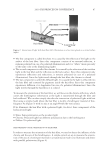
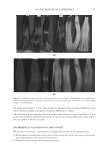
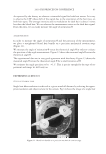
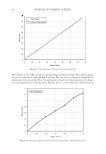
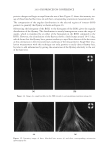
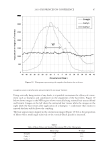
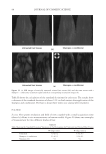
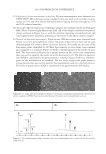
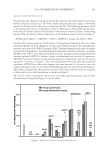
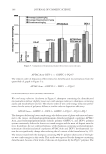
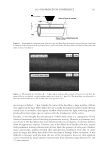
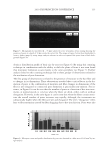
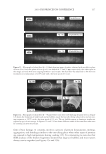
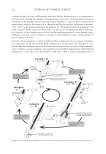
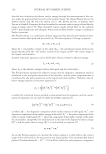
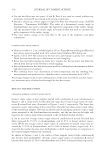
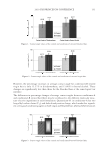
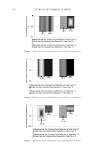
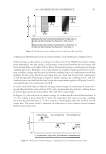
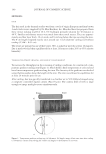
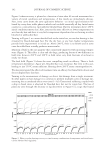
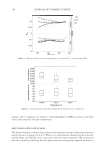
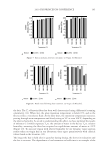
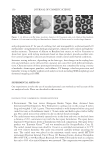
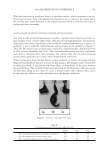
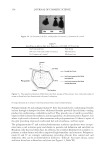
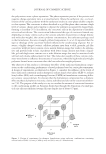
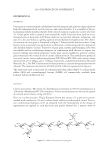
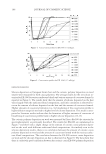
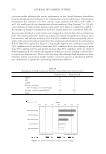
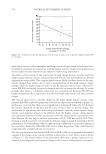
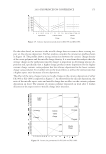
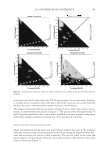
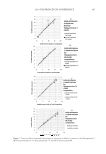
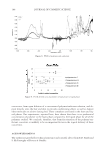
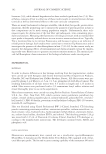
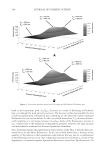
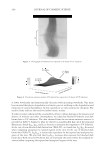
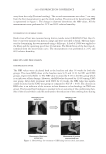
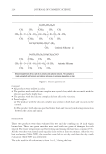
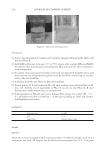
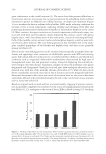
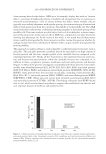
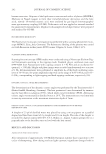
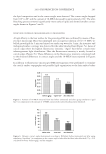
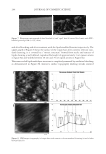
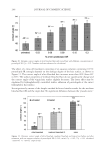
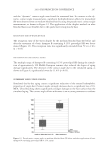
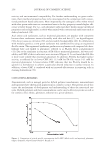
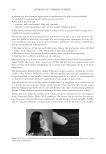
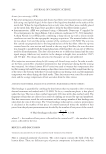
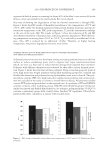
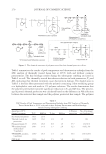
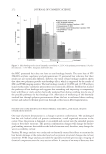
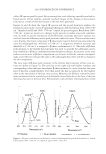
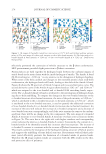
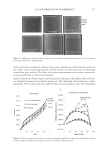
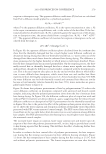
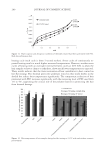
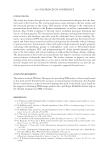
JOURNAL OF COSMETIC SCIENCE 274 effectively prevented the conversion of α-helix structure to the β-sheet conformation. HEC pretreatment provided slight protection to β-sheet conversion. Protein helices are held together by hydrogen bonds between the carbonyl oxygen of amide bonds in the main chains with the imido hydrogen of amides. The Amide A band (N-H stretching) at ~3290 cm−1 is very sensitive to the disruption of hydrogen bonding. When some of the helix unfolds and changes to the extended protein chain or β-sheet conformation, the hydrogen bonds will break, leading to the shift of the Amide A band. Figure 4b shows the IR spectrum of Amide A region and its second derivative curve. The second derivative curve of the Amide A region shows bands at 3292 cm−1 and 3200 cm−1 which are assigned to the trans-bonded and cis-bonded N-H stretching bands, respec- tively. The cis-bonded Amide A band is attributed to the interruption of hydrogen bond- ing due to helix unfolding. To compare the changes in the trans-bonded structure to the cis-bonded structure after thermal treatment, the ratio of the peak intensity at 3200 cm−1, which is attributed to the cis-bonded structure, to the peak intensity at 3292 cm−1, which is attributed to the trans-bonded structure, is used to quantify the additional conversion of trans-bonded Amide A to cis-bonded Amide A structure due to thermal treatment. An increase of the ratio will indicate the increase of cis-bonded component and a decrease of trans-bonded structure correspondingly and if the ratio remains the same as the undam- aged hair, there will be no change in the two components. The ratio maps of cis-bonded Amide A structure to trans-bonded Amide A structure over hair cross sections are shown in Figure 5b. The ratio bar at the right side with higher numbers and corresponding colors indicates the relative cis-bonded Amide A content. Consistently, the content of cis- bonded amide A for thermally treated hair increases after heat exposure. The increase of cis-bonded A content is consistent with the increase of β-sheet formation as stated above. This results confi rms the disruption of the hydrogen bonding structure of helical protein and suggests the unfolding of some helical structure. Pretreatment with all three poly- mers tested effectively prevents the formation of cis-bonded amide A protein bands. Therefore the IR image analysis results are consistent with the DSC results on the ther- mal protection effect of polymers. Figure 5. IR images of thermally treated hair cross section at 232°C with and without polymer pretreat- ment. (a) The ratio maps of b-sheet peak intensity to the a-helix band intensity. (b) The ratio maps of cis- bonded Amide A band intensity at 3200 cm-1 to that trans-bonded Amide A at 3292 cm-1. Dark brown European hair.

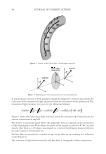
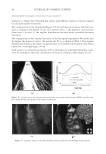
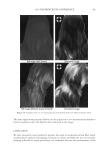
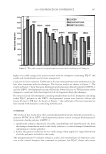
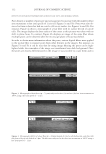
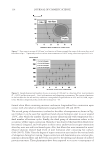
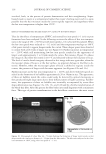
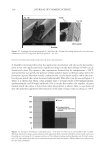
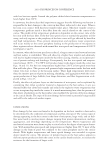
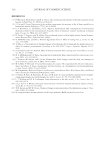
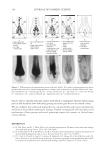
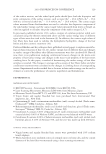
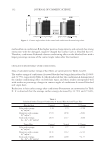
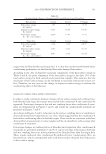
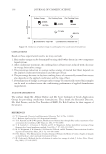
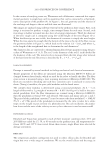
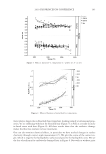
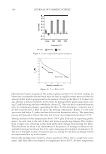
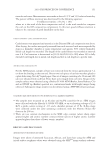
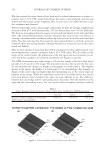
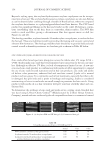
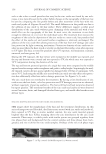
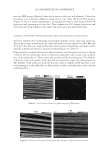
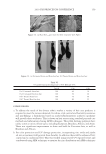
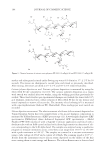
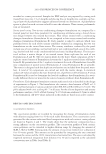
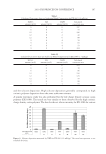
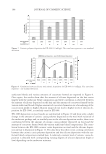
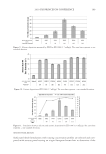
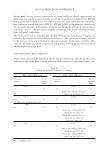
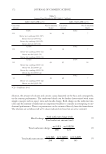
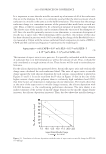
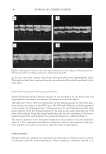
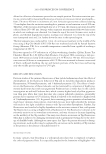
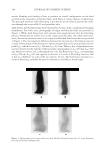
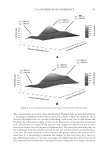
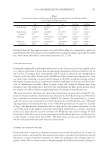
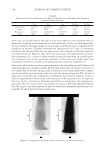
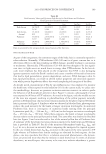
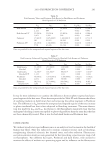
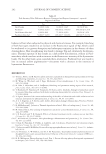
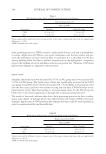
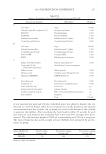
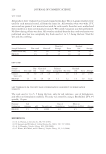
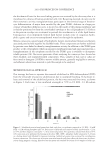
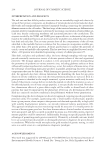
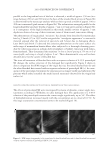
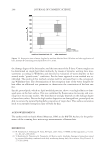
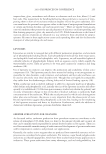
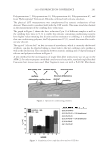
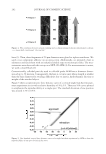
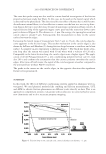
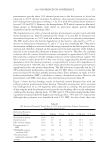
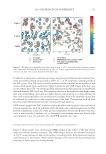
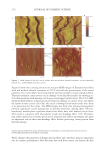
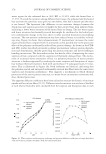
2010 TRI/PRINCETON CONFERENCE 275 In addition to the protein conformation change, hair protein modifi cation from thermal treat- ment was further assessed using a band at 2960 cm−1, a C-H asymmetric stretching mode of the CH3 group. This CH3 band is mainly attributed to the terminal amino residues of hair proteins with minor lipid contribution. Figure 6 shows the spatial IR images of the hair cross section which depict the concentration profi le of hair protein with minor lipid contribution obtained from the CH3 band area. The intensity color bar at the right side with higher num- bers and corresponding colors indicates higher protein concentration. It is observed from the fi ber cross sections that there is an overall protein and lipid loss for the thermally treated hair as indicated by a reduction in the integrated area of the bond. Pretreatment with all three polymers tested effectively prevents the overall protein and lipid loss. FTIR results support the DSC analysis and provide additional insights to the total helical protein degradation. As little is known about the molecular conformational state of other protein components in hair (8), other protein components besides the β-sheet structure, such as other uncoiled, random coil, or denatured cross linking structures that α-helix can transform to but are undetected by this FTIR analysis, may exist. THERMAL PROTECTION OF THE HAIR SURFACE BY COSMETIC PRETREATMENT Figure 7 shows atomic force microscopy (AFM) images of the surface of the hair cuticle with and without thermal treatment. The AFM images indicate that thermal treatment at 232°C causes damage on the cuticle surface, including cracks, holes from over-heating, and formation of micropores. These surface damages will increase the hair permeability resulting in faster water loss during drying. Figure 6. IR images of a thermally treated hair cross section at 232°C with and without polymer pretreat- ment. Maps were developed from the peak area of 2960 cm-1 band, representing the relative protein concen- tration in the hair cross section. European dark brown hair.
Purchased for the exclusive use of nofirst nolast (unknown)
From: SCC Media Library & Resource Center (library.scconline.org)