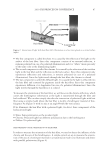
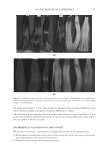
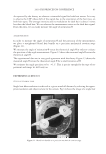
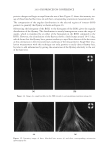
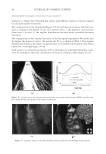
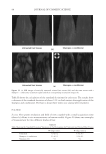
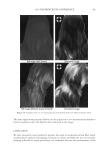
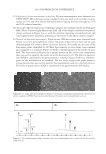
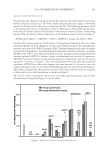
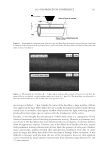
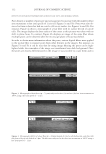
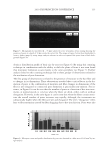
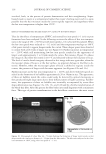
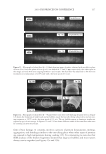
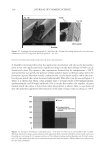
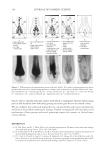
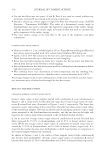
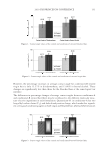
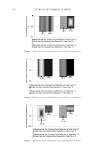
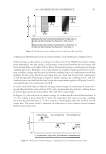
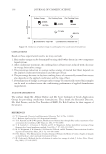
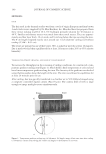
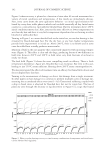
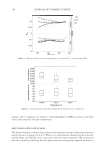
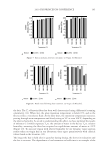
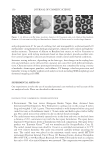
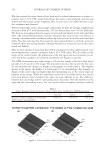
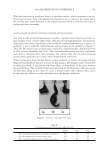
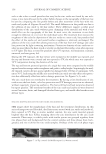
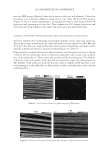
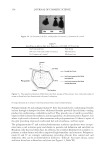
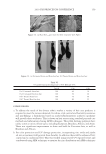
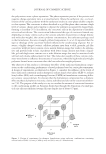
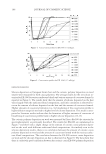
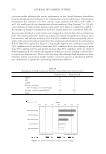
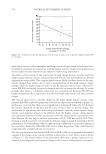
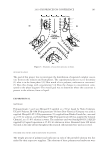
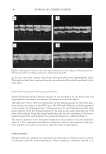
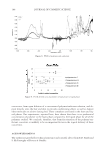
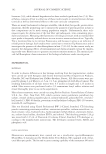
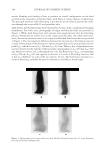
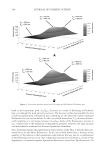
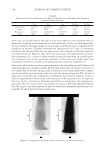
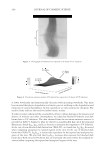
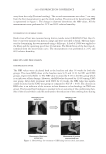
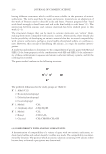
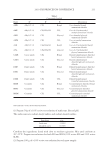
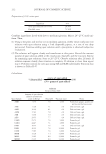
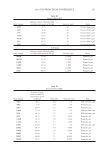
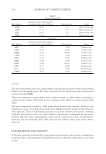
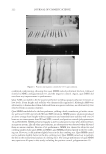
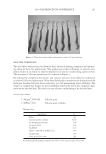
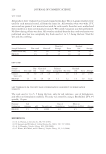
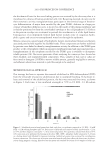
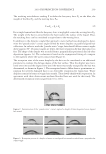
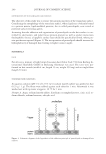
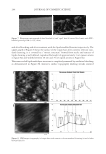
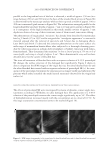
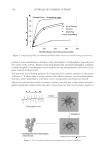
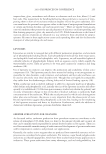
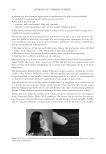
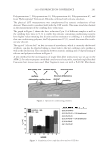
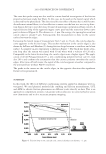
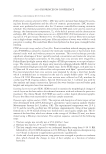
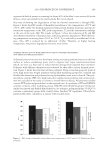
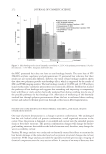
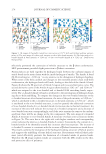
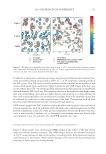
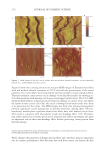
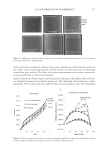
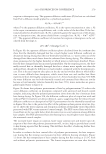
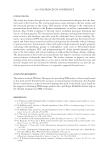
JOURNAL OF COSMETIC SCIENCE 276 Figure 8 shows the scanning electron microscopy (SEM) images of European hair fi bers with and without thermal treatment at 232°C and with the pretreatment of the tested polymers. Four to fi ve fi bers were examined for each hair sample to ensure reproducibility. Thermal treatment causes severe cuticle damage to the hair fi ber surface by showing cu- ticle disintegration with missing cuticle pieces and jagged cuticle layers. The 0.5% HEC (hydroxyethylcellulose) solution pretreated hair has damage on cuticle layers and shows the fusion of some cuticle cells. Once the cuticle is damaged, hair breaks easily since there is no protection for the cortex. The SEM images also show that polymer pretreatment prevents signifi cant cuticle damage due to thermal treatment. Among them, VP/acry- lates/lauryl methacrylate copolymer-treated hair fi bers have well defi ned cuticle layer. This result is consistent with the polymer’s high anti-breakage effect, 55%. Therefore, hair surface protection to ensure good cuticle integrity and surface smoothness also plays an important role in their anti-breakage effect besides protecting cortex protein from thermal damage. WATER VAPOR SORPTION AND DESORPTION OF THERMALLY TREATED HAIR AND THE ROLE OF WATER RESTORATION IN HEAT CONTROL Water changes the properties of human keratin fi bers and, therefore, plays an important role in cosmetic performance. Hot fl at irons that lack heat control can destroy the hair Figure 7. AFM Images of the hair cuticle surface with and without thermal treatment. (a) Not thermally treated. (b, c, d) Thermally treated at 232°C.

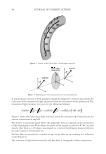
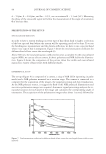
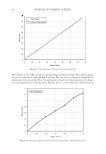
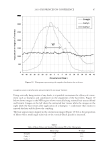
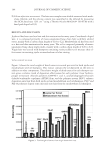
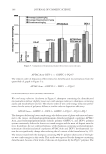
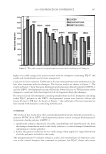
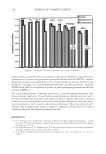
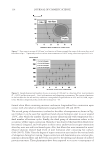
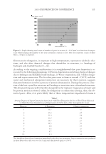
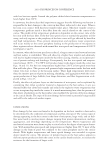
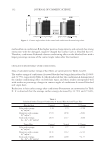
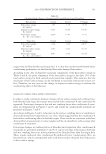
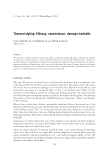
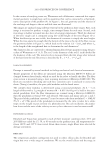
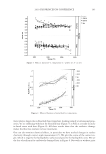
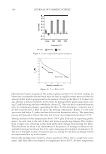
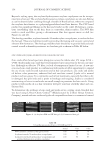
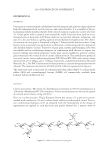
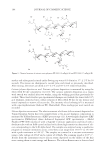
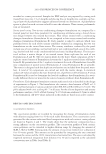
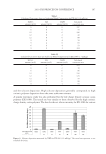
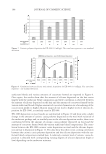
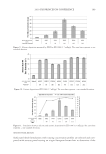
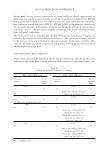
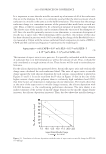
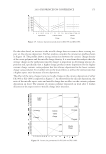
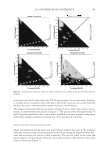
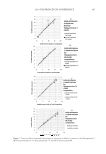
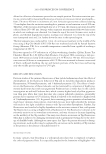
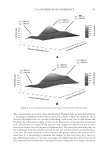
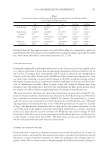
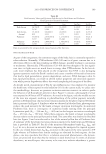
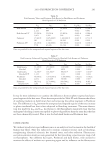
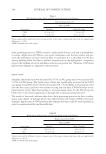
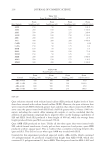
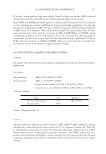
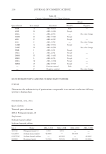
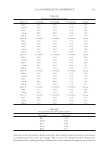
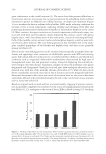
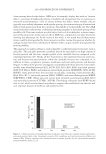
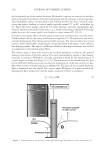
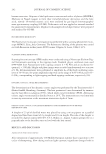
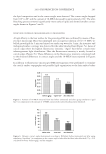
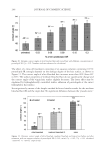
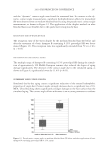
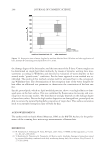
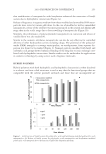
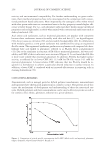
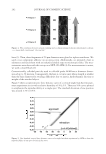
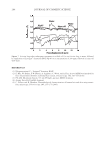
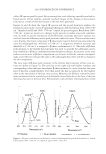
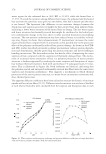
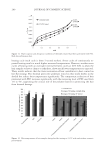
2010 TRI/PRINCETON CONFERENCE 277 protein structure resulting in changes in hair water absorption and desorption profi les. In this work, water sorption/desorption and the kinetics of these processes on thermally treated hair were studied. The effect of polymer pretreatment on the water sorption/de- sorption performance of hair was evaluated. Figure 9a shows the water sorption and desorption isotherms of hair fi bers with and with- out thermal treatment and polymer protection. The thermally treated hair has a lower maximum water regain than the unheated hair in each sorption step. The maximum Figure 9. Water sorption and desorption isotherms and apparent diffusion coeffi cients of hair fi bers with and without thermal treatment and polymer protection. Dark brown European hair. Figure 8. SEM images of the hair fi ber surface with and without thermal treatment at 232°C and polymer protection. Dark brown European hair.
Purchased for the exclusive use of nofirst nolast (unknown)
From: SCC Media Library & Resource Center (library.scconline.org)