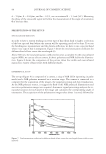
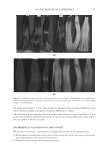
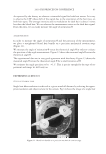
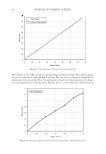
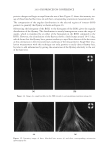
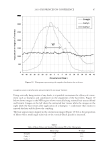
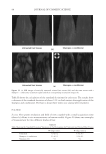
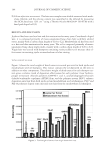
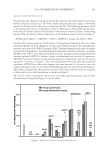
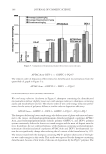
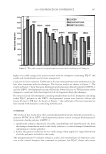
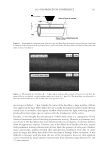
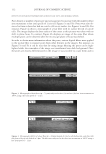
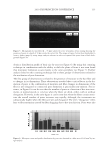
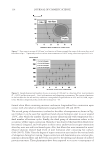
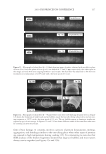
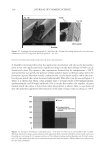
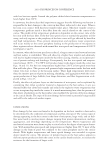
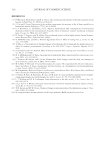
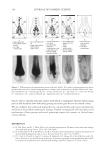
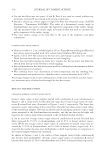
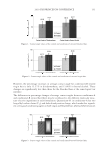
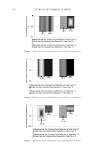
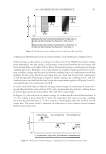
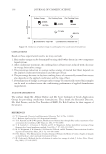
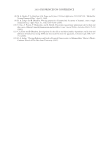
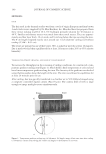
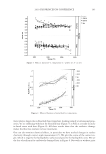
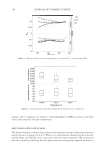
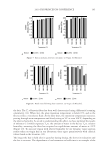
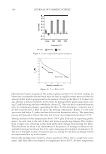
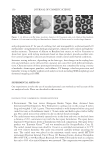
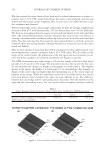
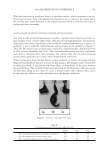
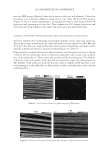
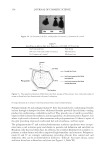
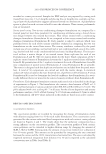
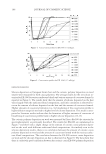
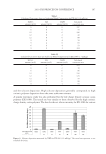
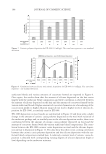
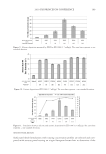
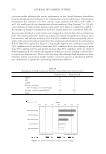
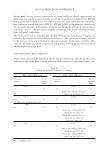
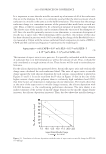
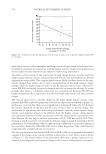
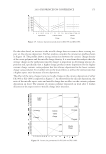
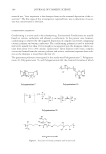
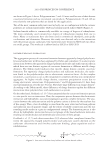
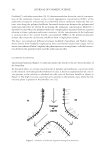
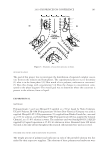
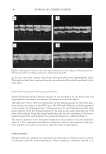
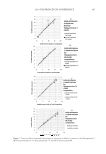
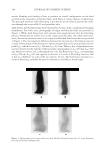
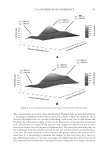
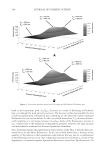
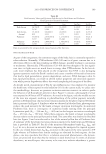
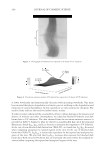
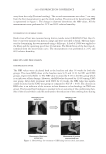
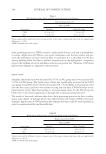
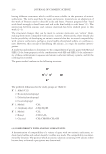
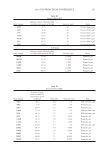
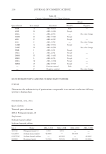
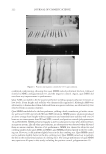
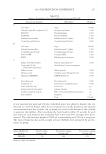
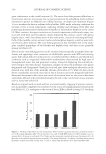
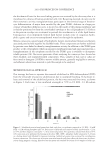
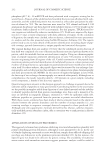
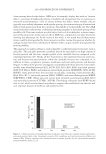
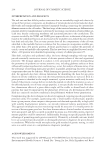
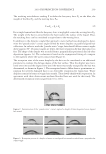
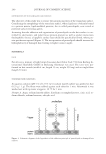
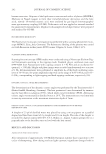
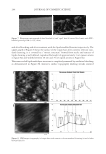
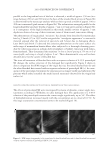
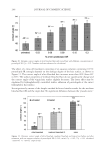
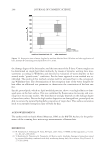
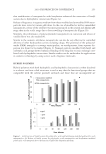
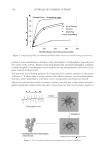
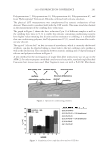
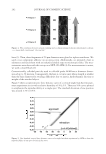
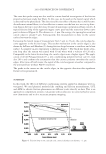
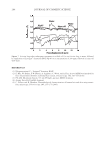
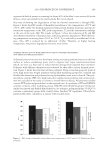
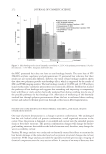
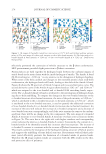
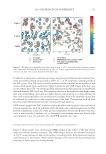
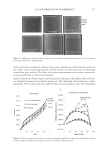
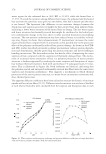
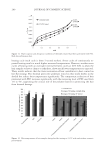
JOURNAL OF COSMETIC SCIENCE 106 APTAC/Acm∼DEV-1 GHPTC-2∼PQ-67 The relative order of deposition effectiveness for dimethicanol microemulsion from the quantifi ed oil graph in Figure 5 is: APTAC/Acm ∼ GHPTC-2 ∼ DEV-1 PQ-67 HAIR PERFORMANCE AFTER SHAMPOO TREATMENT Wet comb energy reduction. As shown in Figure 6, shampoos containing the dimethicanol microemulsion deliver slightly lower wet comb energies relative to shampoos containing jojoba and meadowfoam seed oil. The relative order of wet comb energy reduction perfor- mance for the series of polymers follows a similar order to deposition effi ciency: APTAC/Acm ∼ GHPTC-2 ∼ DEV-1 GHPTC-1PQ-67 ∼ PQ-10PQ-7 The shampoos delivering lower comb energy also deliver more oil phase and extracted mate- rial to the tresses. Acrylamidopropyltrimonium chloride/acrylamide copolymer APTAC/ Acm, guar hydroxypropyltrimonium chloride polymer GHPTC-2, and DEV-1 polymer system consistently deliver the lowest wet comb energies and the most oil deposit onto the tress. In addition, the wet comb performance of the shampoos containing acrylamidopropyl- trimonium chloride/acrylamide copolymer APTAC/Acm and DEV-1 developmental sys- tem do not signifi cantly change after reducing the oil content of the formulations by 33%. The tresses treated with the shampoo containing PQ-67 polymer show some of the high- est wet comb energies in this study. This result was expected for the shampoo containing dimethicanol, because of low levels of silicone oil deposition by the PQ-67 polymer. The Figure 5. Comparison of deposition polymer effectiveness across oil types.

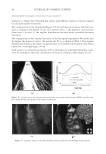
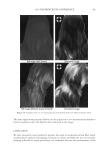
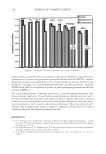
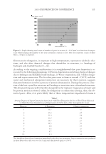
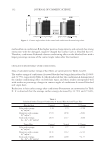
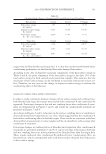
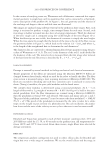
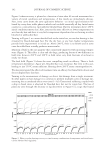
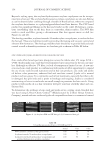
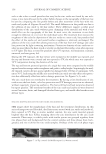
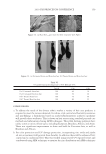
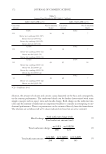
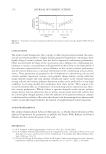
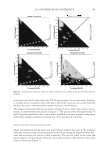
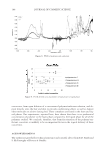
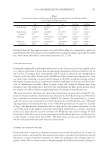
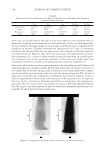
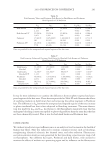
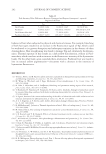
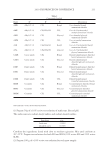
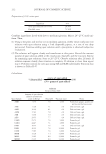
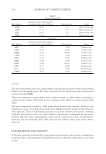
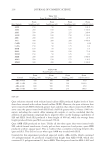
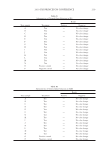
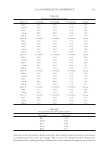
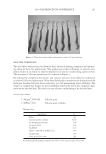
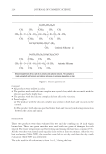
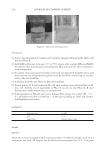
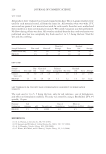
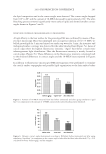
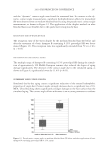
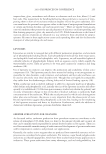
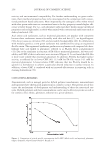
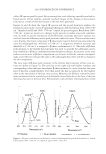
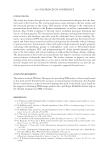
2010 TRI/PRINCETON CONFERENCE 107 higher wet comb energies for tresses treated with the shampoos containing PQ-67 and jojoba and meadowfoam seed oil were unexpected. Coeffi cient of friction reduction. Coeffi cient of friction measurements were performed on dry hair after treatment with the shampoo. The friction results are shown in Figure 7. The results in Figure 7 show that guar hydroxypropyltrimonium chloride polymer GHPTC-2 and the DEV-1 developmental system deliver the lowest friction to VB hair from jojoba shampoos, consistent with their high level of oil deposition from this shampoo. For tresses treated with shampoos containing meadowfoam seed oil, shampoos containing either PQ-67 polymer or the DEV-1 developmental system were found to deliver the lowest friction to VB hair. As shown in Figure 7, the coeffi cient of friction measured on hair treated with shampoos containing dimethicanol. SUMMARY The results of this study show that acrylamidopropyltrimonium chloride/acrylamide co- polymer APTAC/Acm, DEV-1 developmental polymer system, and guar hydroxypropyl- trimonium choride polymer GHPTC-2: signifi cantly enhance deposition of jojoba, meadowfoam and dimethicanol oils from 1. the shampoo formulation used in this study, relative to a control shampoo formulation containing no cationic polymer. deliver the greatest reduction in wet comb energy when applied to virgin brown hair 2. of all the polymers included in this study. The polyquaternium-67 polymer enhances jojoba and meadowfoam oil deposition rela- tive to the control shampoo that contained no polymer, but PQ-67 shows only minor Figure 6. Wet comb energies for virgin brown hair treated with conditioning oil shampoos.
Purchased for the exclusive use of nofirst nolast (unknown)
From: SCC Media Library & Resource Center (library.scconline.org)