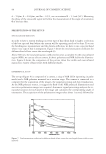
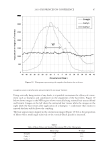
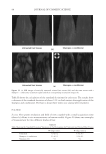
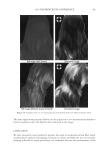
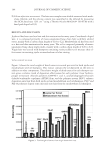
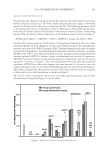
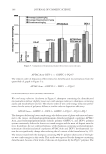
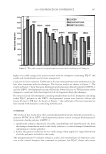
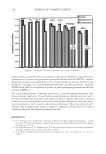
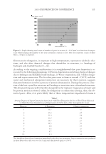
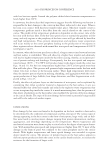
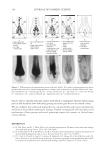
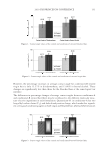
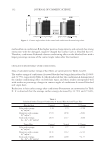
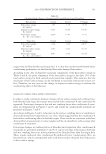
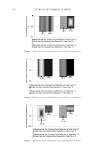
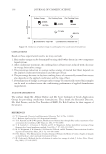
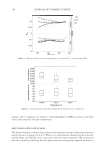
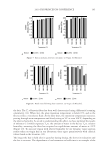
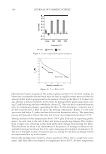
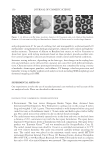
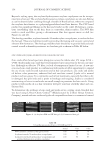
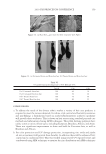
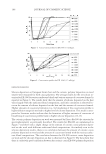
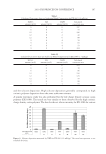
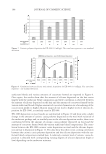
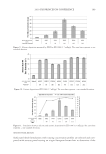
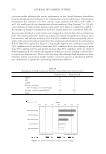
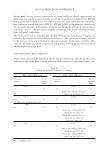
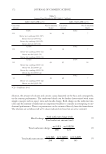
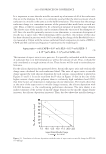
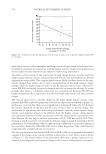
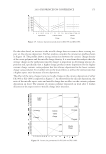
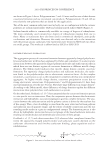
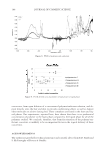
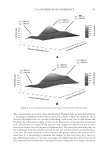
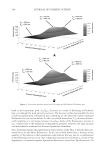
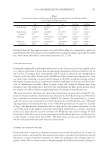
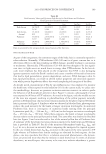
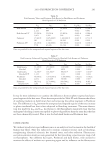
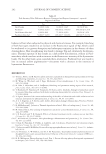
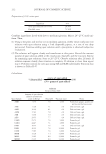
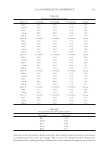
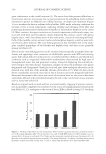
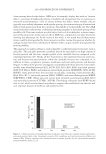
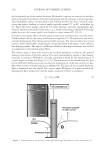
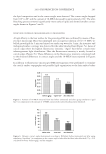
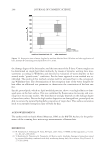
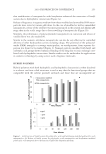
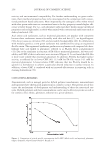
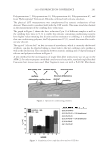
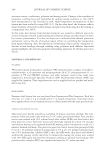
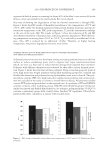
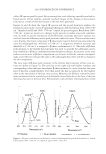
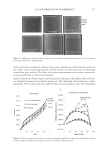
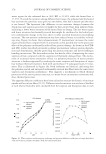
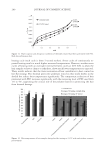
JOURNAL OF COSMETIC SCIENCE 108 enhancements in dimethicanol microemulsion deposition. Shampoos containing poly- quaternium-10 polymer and guar hydroxypropyltrimonium chloride GHPTC-1 enhance deposition of jojoba and meadowfoam oil on to virgin brown hair, but less effi ciently than shampoos containing the acrylamidopropyltrimonium chloride/acrylamide copolymer APTAC/Acm, DEV-1 developmental system, or guar hydroxypropyltrimonium chloride polymer GHPTC-2. The conditioning polymer technology approaches 1) acrylamidopropyltrimonium chlo- ride/acrylamide copolymer, 2) guar hydroxypropyltrimonium chloride polymer, and 3) the new developmental polymer system approach, deliver superior deposition of natural conditioning oils and dimethicone materials from anionic/amphoteric surfactant cleans- ing formulations as well as good conditioning performance. These new polymer tech- nologies offer formulators the ability to improve uniformity of deposition (2) as well as deposition effi ciency of conditioning agents onto hair. REFERENCES (1) R. Y. Lochhead and L. R. Huisinga, “Advances in Polymers for Hair Conditioning Shampoos,” in Hair Care: From Physiology to Formulation, Angela C. Kozlowski, Ed. (Allured Business Media, Carol Stream, IL, 2008) pp. 123–136. (2) P. E. Erazo-Majewicz, J. A. Graham, and C. R. Usher, Assessing the targeted conditioning performance of cationic polymers, Cosmet. Toiletr., 125, 24–30 (2010). (3) T. K. Miwa, Structural determination and uses of jojoba oil, J. Amer. Oil Chemists Soc., 61, 407–410 (1984). Figure 7. Coeffi cient of friction for shampoo-treated virgin brown hair.

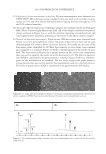
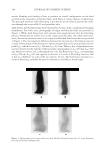
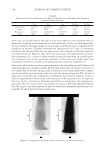
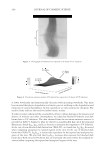
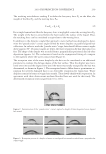
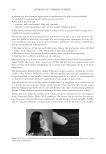
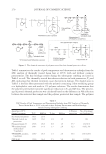
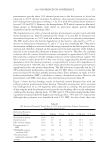
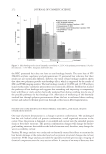
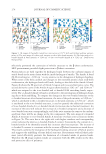
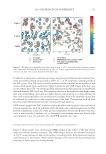
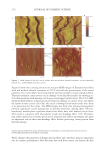
J. Cosmet. Sci., 62, 109–120 (March/April 2011) 109 Void and pore formation inside the hair cortex by a denaturation and super-contraction process occurring during hair setting with hot irons MANUEL GAMEZ-GARCIA, BASF Care Chemicals, 500 White Plains Rd, Tarrytown, NY 10591. Synopsis An analysis of hair fi bers from donors that frequently use hot irons for hair straightening showed the presence of multiple pores and voids (φ ∼0.1–1.5 μm) that extend from the cuticle sheath to regions inside the hair cortex. Pore formation in the cortex was found to be confi ned at its periphery and could be reproduced in the laboratory with virgin hair fi bers after the application of various hot-iron straightening cycles. The appear- ance of pores and voids in the cortex was found to be associated to the production of hot water vapor while the fi ber is undergoing mechanical elongation or contraction. The number of pores was seen to rapidly in- crease with temperature in the range from 190 to 220°C and also with the number of straightening cycles. Larger hair voids (φ ∼2–5 μm) were also detected in the cortex. The small pores found at the cortex periphery appear to occur by the simultaneous occurrence of rearrangement of hair proteins, fi ber mechanical contrac- tion/expansion, and the fl ow of super-heated steam. Hot irons create, thus, the conditions for the onset of pore formation as the high temperatures produce superheated steam and soften the native state of hair proteins by a process involving denaturation and changes in the crystalline regions. INTRODUCTION Recently, the cosmetic community has shown a strong interest in understanding the damaging effects produced by hot irons in hair. Efforts directed to achieve this objective have already unveiled some of the various physical and chemical changes that take place in hair during its exposure to hot irons. For instance, it has been reported that the dena- turation enthalpy of hair is signifi cantly modifi ed after its exposure to temperatures above 150°C (1–4). Chemical changes in the protein structure of the hair cortex have also been observed to occur as a consequence of the hot-iron high temperatures. Tryptophan degra- dation and the appearance of other oxidation products are among the main chemical changes reported by some authors (5–6). Cuticle cell lifting, cracking, and hair breakage were also shown to occur when hot irons were applied to hair under harsh conditions (7). In this paper results are presented showing that micropores and voids are formed inside the hair cortex after hot-iron treatments. As it will be discussed in the Results section, micropores and voids may be formed both in the cuticle sheath and cortex as a conse- quence of the combined action of protein denaturation, protein chemical changes, and the explosive evaporation of water that takes place inside the hair cortex during hot-iron
Purchased for the exclusive use of nofirst nolast (unknown)
From: SCC Media Library & Resource Center (library.scconline.org)