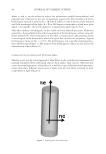
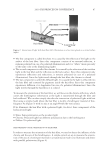
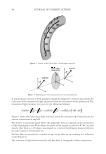
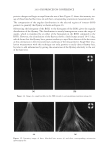
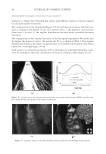
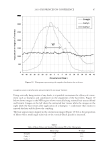
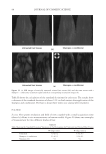
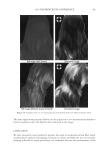
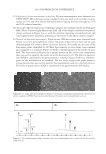
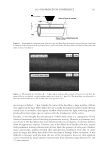
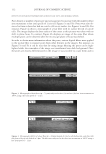
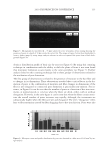
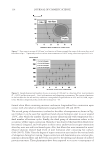
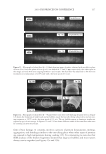
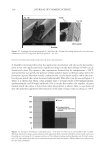
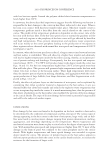
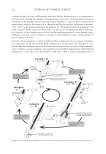
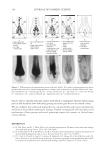
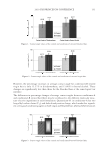
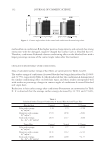
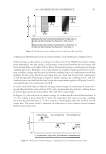
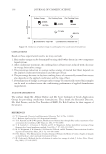
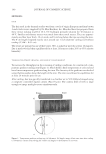
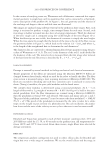
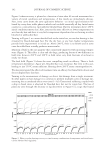
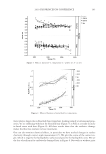
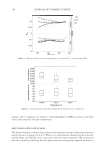
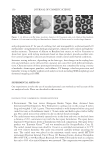
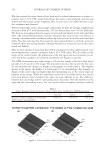
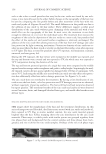
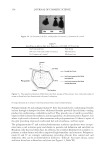
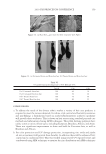
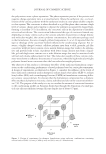
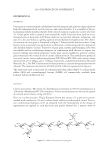
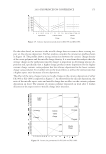
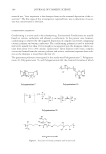
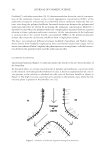
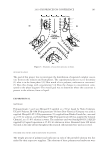
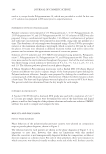
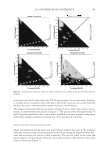
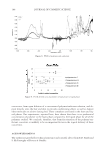
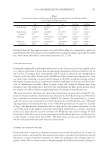
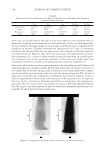
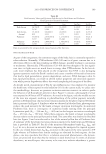
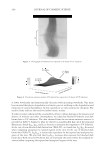
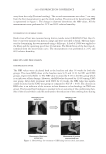
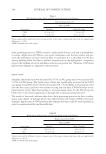
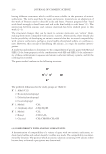
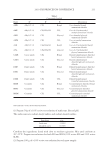
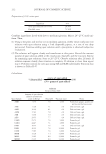
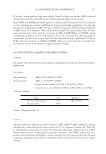
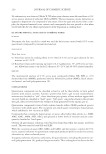
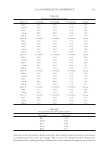
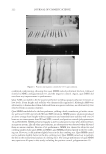
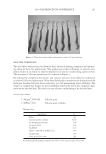
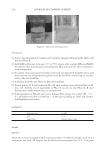
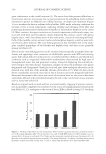
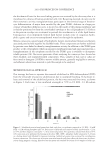
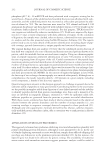
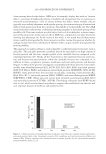
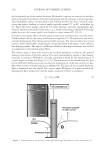
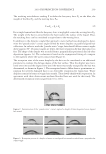
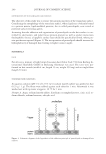
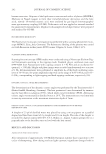
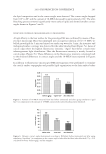
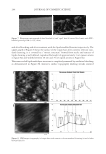
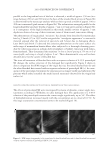
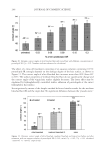
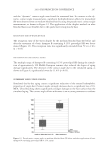
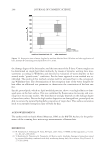
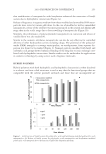
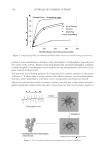
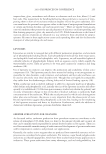
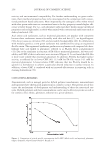
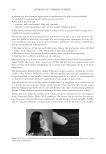
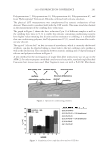
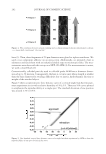
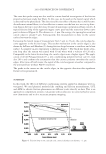
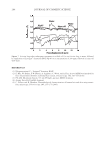
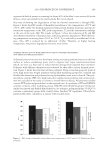
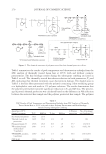
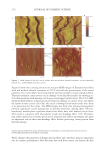
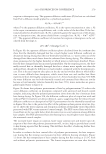
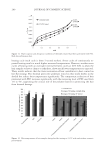
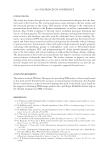
JOURNAL OF COSMETIC SCIENCE 110 applications. Interest on these pores arose from a microscopic investigation made on hair bundles obtained from donors who frequently use hot irons. The investigation revealed that a large number of fi bers from these donors contained a high number of pores. Pores in hair have already been reported by various authors, although, the pores found by these researches does not seem related to hair treatment with hot irons (8–10). In the result section it will be shown that, pores and voids of various sizes, can actually be re-produced in the laboratory when hair is exposed to heat under various controlled conditions. METHODOLOGY The method used to detect the presence of pores in the hair fi bers was by Microscopy using a Hi-Scope from Hirox Model KH-3000. The hair was of Brown European Wavy Virgin Hair from International Hair Importers ~ 8 inches long. Various treatment cycles of hot ironing were applied to hair tresses ~ 0.5 g in weight. The use of this amount of hair allowed the hair fi bers to evenly spread when placed under the hot-iron jaws and ensured that most of them were in contact with the iron surface. Also, whenever needed, cycles of hot ironing were applied to single hair fi bers with a mini-hot iron to confi rm observations. Each treatment cycle of hot ironing consisted of the following steps: 1) 30 s shampooing with a clarifying shampoo, 2) 30 s rinsing with tap water, 3) Blot drying with a towel for 10 s, 4) Blow drying until the hair dried to ~ 80% of its moisture con- tent, 5) Three hot-iron passes over the hair tresses from root to tip at temperatures rang- ing between 180 and 220°C depending on the requirements. Two hot-iron speeds were used during hot ironing, one considered a normal speed ~ 1.0 in/s and the other one con- sidered a low speed ~ 0.2 in/s, and 6) After this process the hair tresses/fi bers were left at rest at room temperature conditions for three hours before applying the next treatment cycle. The method of pore detection consisted in shifting the plane of focus of the microscope from the hair surface into regions inside the cortex according to the diagram showed in Figure 1. This process allowed the visualization of pores and voids inside the cuticle sheath and cortex. The existence of pores was revealed by the contrast of light scatter- ing patterns produced by a mismatch in the indexes of refraction between empty spaces of pores and cortex. Later, counting of the pore number and measurements of their size was made by image analysis using the software Pax-It from Midwest Information Systems. RESULTS DETECTION OF MICROPORES In Figures 2a and 2b are shown micrographs of a hair fi ber with fi ve treatment cycles of hot-iron at 180°C showing typical micropores inside the hair cortex. Figure 2a displays the image of the hair surface taken without shift in plane of focus this picture clearly shows the topology at the cuticle surface. In principle, by looking at this picture it could be inferred that there is no apparent physical change on the hair after its exposure to hot- iron treatment. However, in Figure 2b it can be seen that when the plane of focus of the

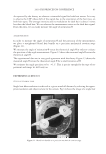
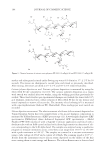
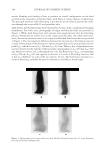
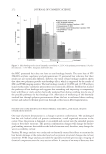
2010 TRI/PRINCETON CONFERENCE 111 microscope is shifted ~ 7 μm towards the center of the hair fi ber, a large number of white dots appears in the hair. These white dots are actually micropores localized inside the hair cortex close to its surface they appear as white dots because the light scattering patterns produced by their empty spaces contrast with the translucency of the cortex. Initially, it was thought that the presence of these pores arose as a consequence of hair chemical treatments such as bleaching or permanent waving. However, a systematic anal- ysis of sets of 200 hair fi bers that were bleached with various degrees of intensity failed to show the appearance of pores. Likewise, sets of hair fi bers from bundles that were treated with permanent waving solutions also did not show the presence of such pores. Further- more, microscopic analysis revealed that only hot-iron treatments were able to create pores in virgin hair fi bers that didn't have any form of damage before treatment. It was diffi cult to measure with precision the size of the micropores however, their apparent sizes as measured by image analysis indicates that their diameter ranges between 0.1 and 1.5 micrometers. Figure 1. Diagrammatic representation of microscope and hair fi ber showing focusing of microscope beam at the hair surface without shift in plane of focus, and at a distance (δ) deep inside into the hair fi ber after the plane of focus was shifted. Figure 2. Micrograph of a hair fi ber (φ ~ 78 μm) taken without shift in plane of focus (2a), and after the plane of focus was shifted towards regions inside the cortex by 7 μm (2b). The hair fi ber was subjected to three hot-iron treatments at 180°C with a hot-iron speed of 1 in/s.
Purchased for the exclusive use of nofirst nolast (unknown)
From: SCC Media Library & Resource Center (library.scconline.org)