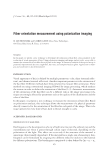
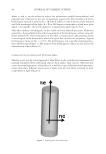
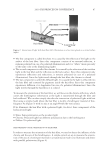
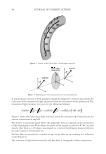
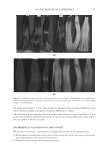
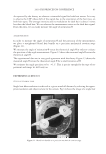
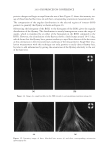
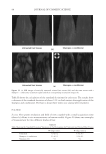
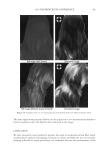
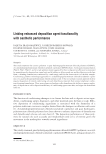
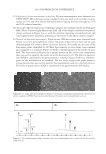
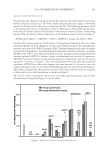
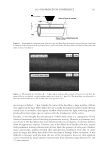
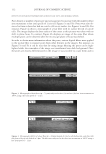
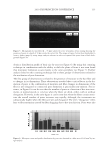
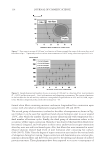
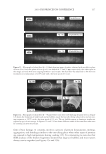
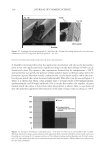
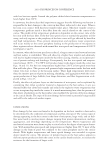
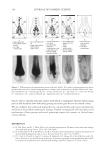
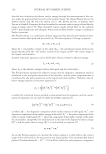
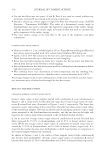
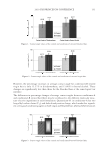
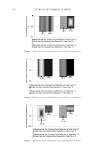
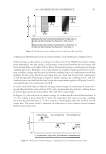
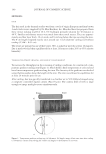
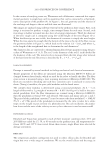
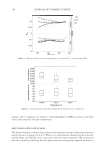
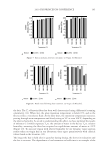
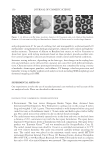
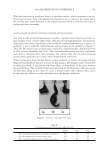
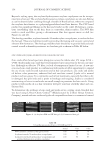
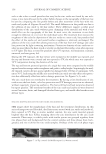
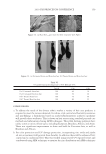
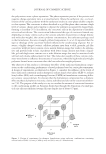
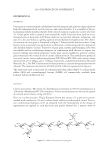
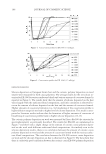
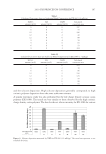
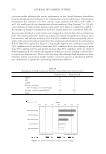
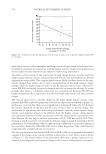
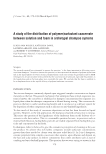
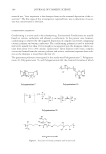
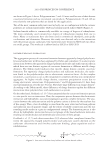
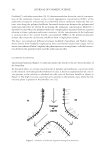
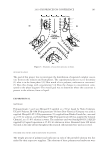
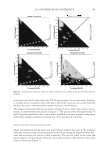
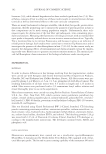
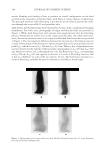
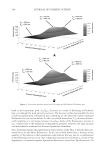
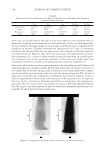
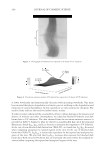
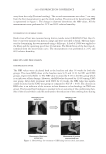
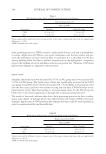
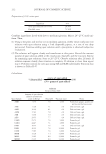
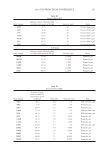
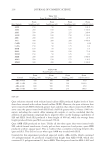
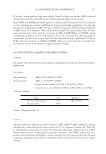
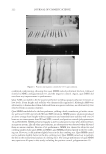
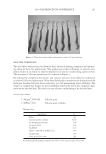
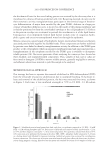
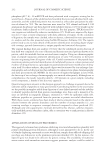
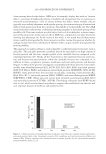
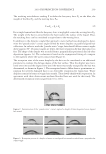
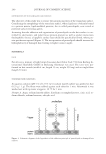
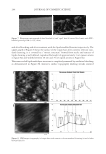
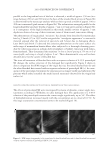
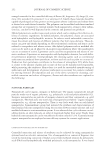
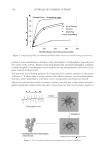
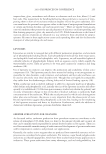
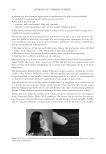
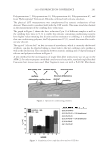
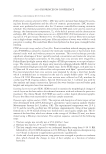
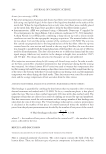
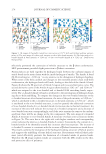
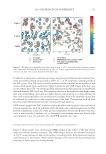
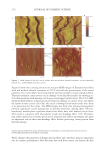
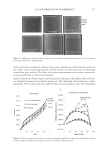
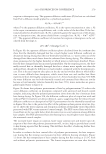
JOURNAL OF COSMETIC SCIENCE 112 EFFECTS OF HOT-IRON TEMPERATURES LOWER THAN 180°C AND NORMAL SPEEDS. Pore density or number of pores per unit area appeared to increase with the number of hot iron treatments at hot iron speeds of 1 in/s (see Figures 3a and 3b). Pores were also ob- served to form in hair that had no cuticle cells on its surface (see Figures 4a and 4b). For instance, Figure 4a shows a micrograph of a hair fi ber with its surface devoid of cuticle cells. The image displays the bare surface of the cortex as this picture was taken with no shift in plane focus. In contrast, Figure 4b displays an image of the same fi ber where multiple pores can be observed after the microscope plane of focus was shifted. In order to obtain more information about the pores, various digital fi lters were applied to the picture fi les to separate pores from other features in the images. For instance, in Figures 5a and 5b it can be seen that by using image fi ltering the pores can be high- lighted while the remainder of the image was transformed into dark background. Once the pores are clearly differentiated in the image it was possible to count them and to Figure 3. Micrographs of hair fi bers (φ ~ 73 μm) subjected to fi ve (3a) and ten (3b) hot-iron treatments at 180°C using a hot-iron speed of ~ 1 in/s. Figure 4. Micrographs (400×) of a hair fi ber (φ ~ 68 μm) devoid of cuticle cells before (4a), and after (4b) the plane of focus was shifted in 5 μm. The fi ber was subjected to fi ve hot-iron treatments at 180°C using a hot-iron speed of ~ 1 in/s.

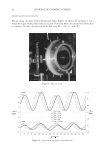
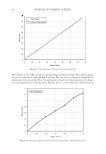
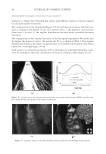
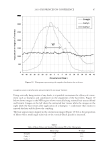
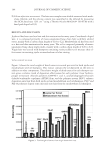
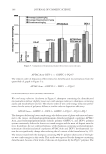
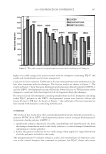
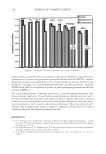
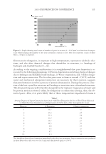
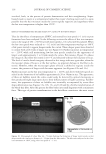
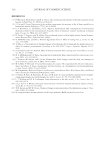
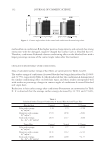
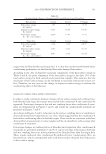
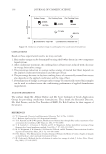
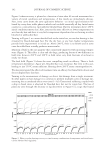
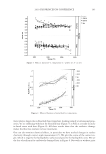
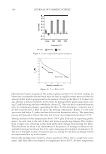
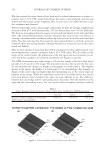
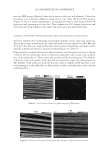
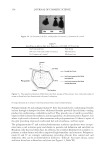
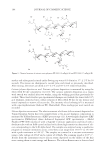
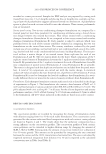
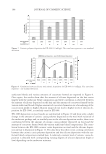
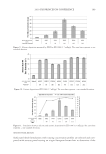
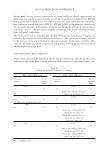
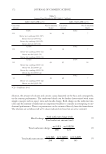
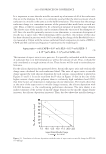
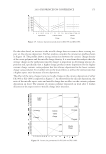
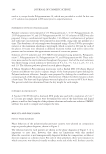
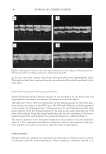
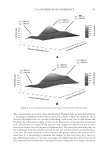
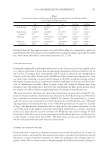
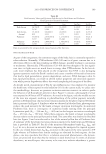
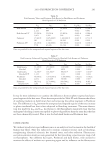
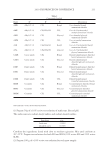
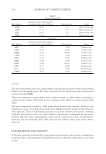
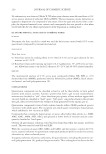
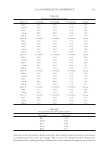
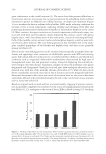
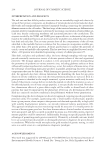
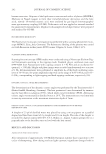
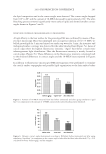
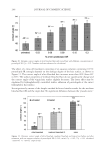
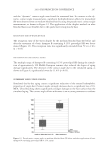
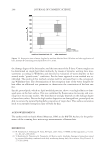
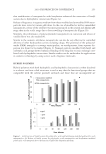
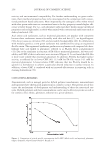
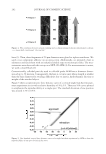
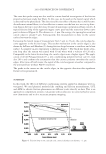
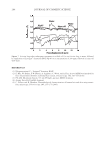
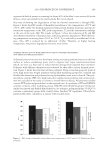
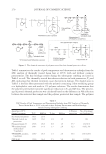
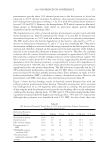
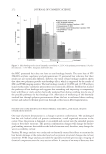
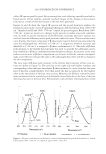
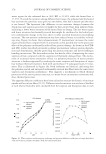
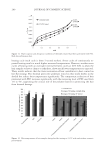
2010 TRI/PRINCETON CONFERENCE 113 obtain a distribution profi le of their size by area (see Figure 6). By using this counting technique in combination with the ability to shift the plane of focus it was soon found that micropore formation occurs mainly at the cortex periphery (see Figure 7). Further analysis based on this counting technique led to three groups of observations related to the mechanism of pore formation. The fi rst group of observations is related to the presence of moisture in the hair fi ber and to changes in its dimensions. These observations revealed that a critical factor in the for- mation of pores is the combination of moisture and fi ber changes in dimensions if the fi ber is not elongated or contracted pore formation is practically non-existent. For in- stance, in Figure 8 it can be seen that the number of pores as a function of hot-iron treat- ments, at normal speeds, is very low when the fi bers are dried, either, with or without elongation. However, in the same fi gure it can be seen that when the fi bers contain mois- ture the overall number of pores increases very rapidly although, the increments are substantially higher when the fi bers are wet and elongated. The term “elongation” refers here to fi ber extension created by fi ber dragging due to hot-iron friction. Pores were also Figure 5. Micrograph of a hair fi ber (φ ~ 76 μm) subjected to fi ve treatments of hot ironing showing the presence of pores at a depth of 10 μm inside the cortex (5a). The image in Figure 5a was then thresholded to create a binary image by using image analysis software in order to separated the pores from a black back- ground (Figure 5b). Figure 6. Micropore count and profi le distribution by pore size obtained in a fi ber area of 0.06 mm2 by im- age analysis.
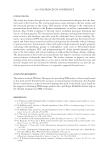
Purchased for the exclusive use of nofirst nolast (unknown)
From: SCC Media Library & Resource Center (library.scconline.org)