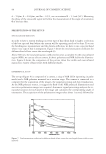
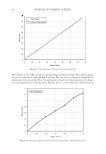
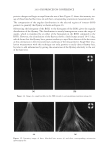
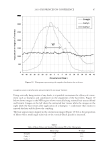
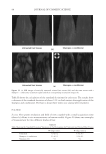
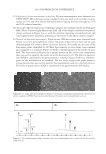
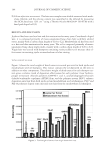
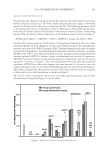
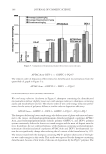
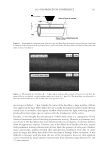
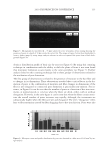
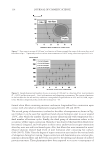
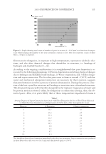
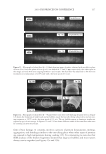
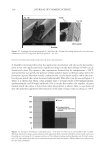
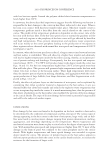
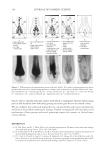
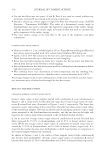
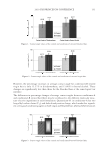
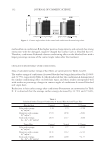
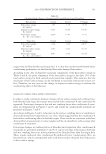
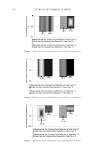
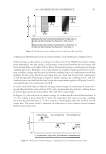
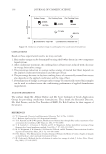
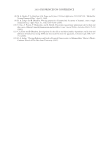
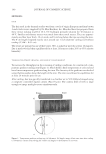
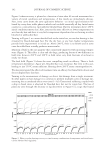
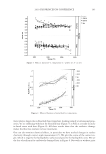
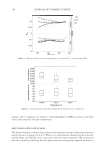
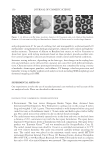
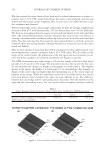
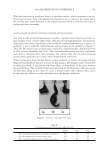
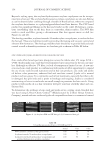
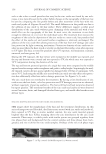
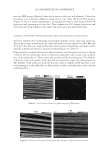
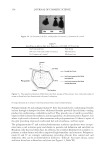
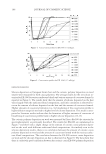
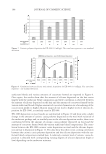
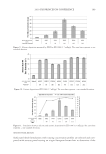
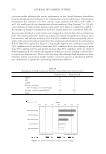
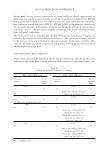
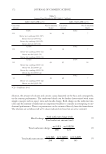
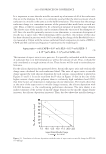
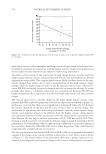
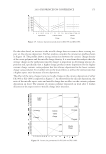
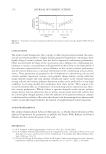
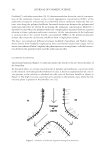
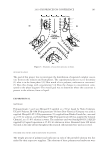
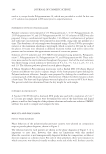
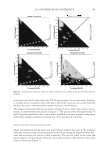
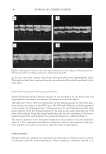
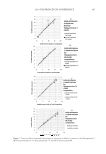
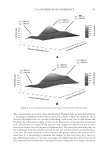
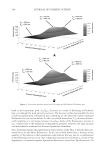
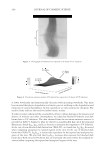
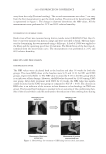
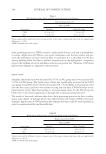
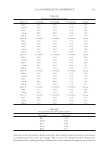
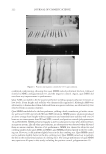
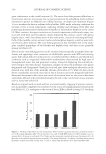
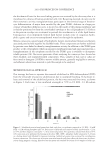
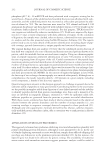
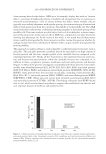
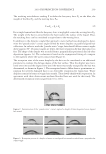
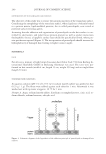
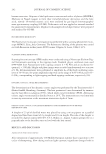
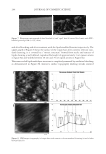
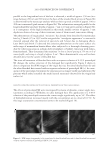
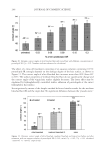
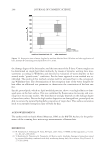
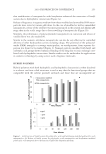
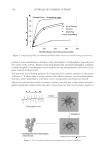
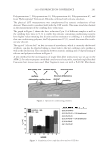
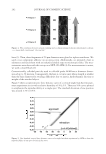
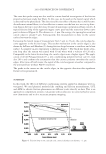
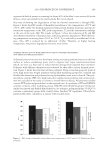
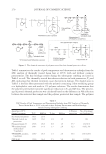
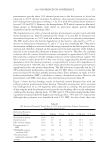
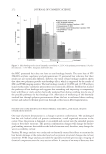
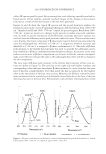
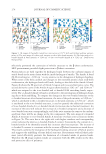
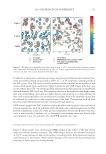
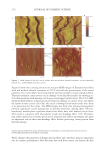
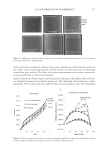
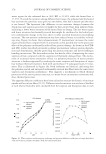
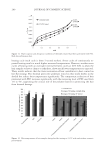
JOURNAL OF COSMETIC SCIENCE 114 formed when fi bers containing moisture underwent longitudinal free contraction upon contact with a hot plate at temperatures ranging between 180 and 200°C. The second group of observations is related to the effect of temperature as shown in Fig- ure 9 where it can be seen that signifi cant levels of pore formation start to occur around 150°C, after which the number of pores increase monotonically with temperature for a fi xed number of hot-iron cycles. Finally, the third group of observations relates to the occurrence of fi ber super-contraction. Namely, it was observed that hair fi bers which were hot ironed, elongated, and with pores in their cortex underwent later super-contraction after they were wet and/or re-heated again. Also, hair fi bers that were immersed in water/ ethanol solutions showed high levels of pore formation after contacting hot surfaces (180–200°C). Table I lists the degree of super-contraction associated to the various levels of elongation during hot ironing. Super-contraction and denaturation are common phe- nomena in keratin fi bers and have been associated to the melting and disarray of ordered protein structures. These phenomena have been reported to occur as a consequence of Figure 7. Pore count in an area of 0.06 mm2 as a function of distance toward the center of the cortex for a set of four fi bers of φ ~ 72 μm subjected to ten hot-iron treatments at 180°C using a hot-iron speed of 1 in/s. Figure 8. Graph showing total number of pores in an area of 0.06 mm2 as a function of hot-iron treatments (T ~ 180°C and hot-iron speed ~ 1 in/s) with moisture and elongation as parameters. The content of moisture in the hair fi ber for the wet and dry conditions corresponded to equilibration at 82% and 10% RH, respec- tively. The fi ber elongation produced after hot ironing was ~4%.

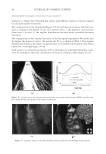
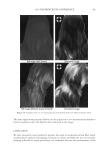
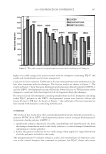
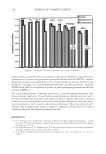
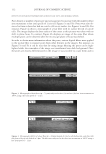
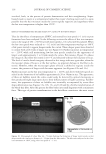
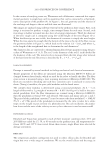
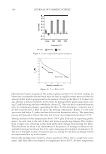
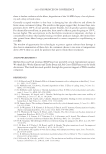
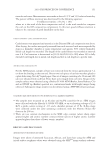
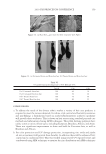
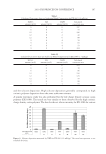
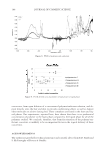
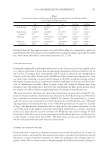
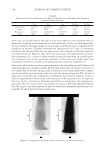
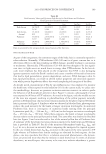
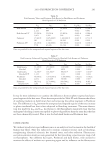
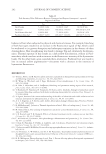
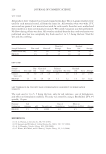
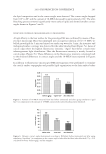
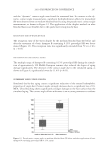
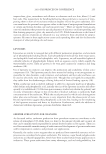
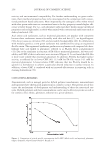
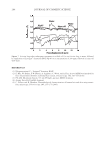
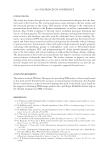
2010 TRI/PRINCETON CONFERENCE 115 fi ber excessive elongation, its exposure to high temperatures, exposure to alcoholic solu- tions, and also after chemical changes that destabilize its structure, i.e. breakage of hydrogen and disulfi de bonds (11–14). According to the ongoing considerations it is straightforward that pore formation is as- sociated to the following phenomena: 1) Protein denaturation involving chemical changes due to hydrogen and disulfi de bond breakage, 2) Water evaporation, and 3) Fiber elonga- tion and super-contraction. The fact that pores start to form at around ~150°C, and that water and mechanical elongation/contraction are necessary for their creation, suggests that pore formation involves a process of protein denaturation. During this process a frac- tion of the hair crystalline structure will undergo a transition into a disordered structure. The denatured regions will be further disrupted by the explosive evaporation of water and by protein motion activated, either, by elongation or contraction creating, thus, the ob- served pores. Also, it is quite likely that at these temperatures superheated steam is Figure 9. Graph showing total count of number of pores in an area of ~ 0.06 mm2 as a function of temper- ature while keeping the number of hot-iron treatments constant at fi ve. The data represent counts of three fi bers ~ 68 μm in diameter. Table I Average Degrees of Super-Contraction Associated with Fiber Elongation for Sets of Five Fibers Subjected to Three Hot-Iron Treatments at a Temperature of 180°C with a Hot-Iron Speed of 1.0 in/s Fiber no. % Extension % Super-contraction 1 15.7 3.1 2 13.2 2.6 3 12.4 2.8 4 11.2 2.4 5 10.7 2.7 6 10.3 3.1 7 9.8 2.5 8 9.5 1.7 9 8.7 2.3 10 8.4 1.9 The hair fi bers showed pore formation immediately after hot-iron treatment. Super-contraction was produced in these fi bers after they were wet for 3 min and then heated again at 150°C.
Purchased for the exclusive use of nofirst nolast (unknown)
From: SCC Media Library & Resource Center (library.scconline.org)