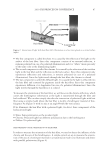
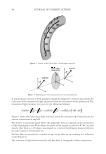
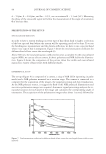
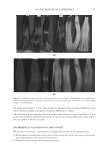
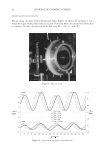
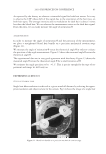
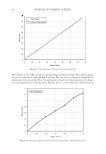
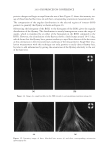
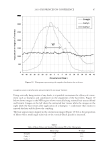
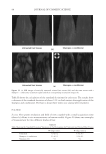
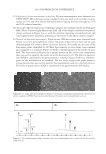
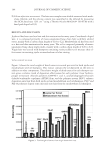
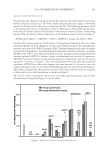
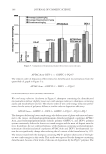
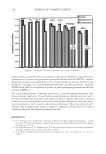
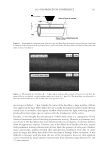
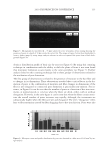
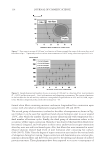
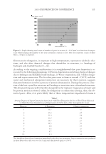
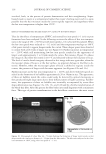
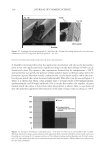
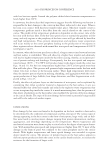
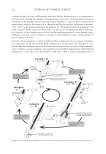
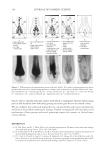
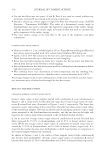
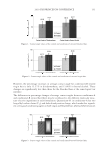
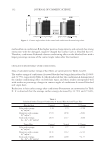
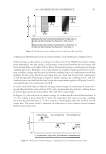
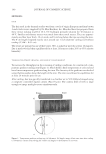
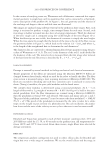
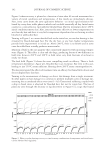
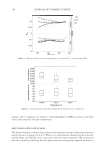
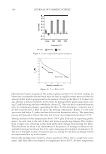
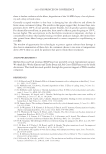
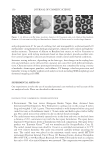
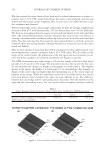
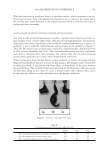
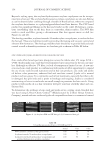
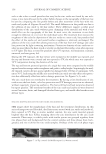
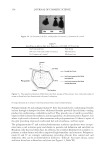
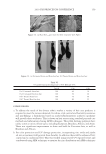
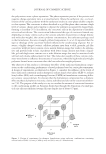
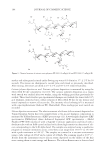
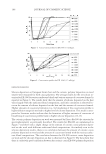
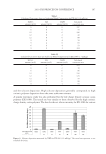
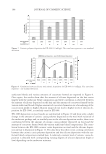
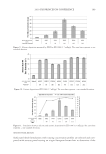
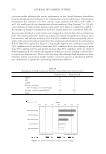
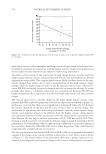
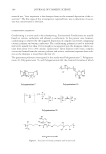
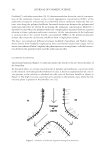
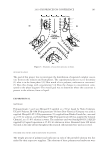
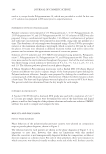
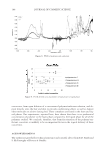
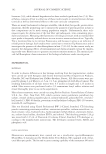
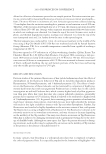
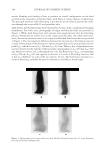
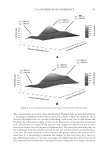
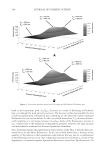
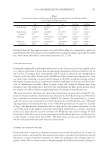
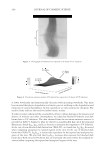
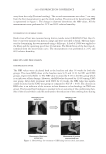
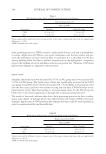
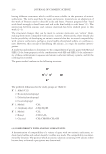
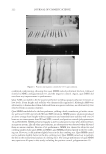
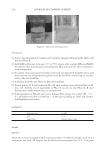
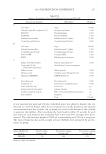
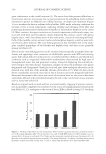
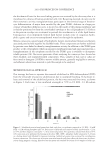
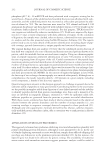
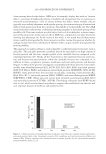
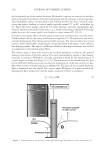
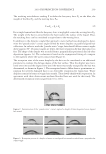
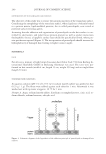
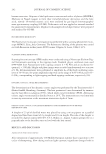
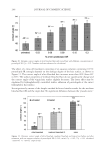
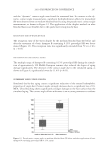
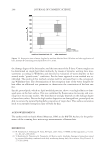
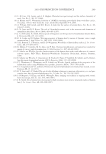
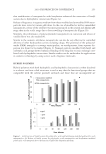
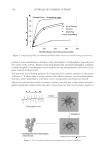
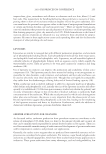
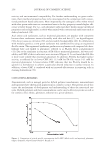
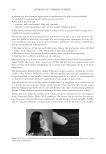
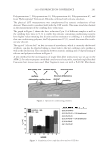
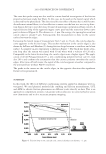
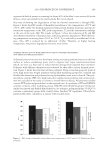
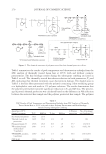
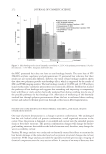
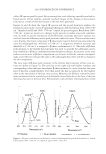
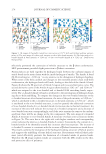
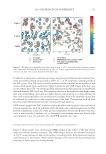
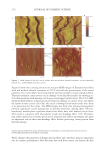
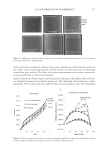
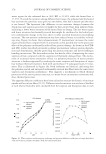
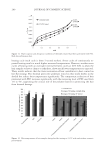
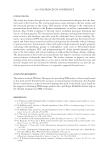
JOURNAL OF COSMETIC SCIENCE 90 d = 70 μm, λ = 0.83 μm, and Δn = 0.5%, we can estimate R = 5.3 rad (56°). Measuring the phase of the sinusoidal signal will allow the measurement of the angle of orientation θ of the hair fi ber. PRESENTATION OF THE SET-UP SPECTRAL BAND SELECTION In order to have a system working on every type of hair (from dark to light), a selection of the best spectral band where the system will be operating needs to be done. To access the birefringence measurement and the chroma refl ection, we have to use a spectral band where every type of hair is transparent. Figure 7 shows the total attenuation coeffi cient for different kind of hair versus the wavelength (6). Above 800 nm, the total attenuation coeffi cient becomes acceptable. In the near-infrared region (NIR), we can use silicon camera, dichroic polarizers and NIR led for the illumina- tion. Figure 8 shows the comparison of the picture taken the visible and near-infrared region for a variety of hair tresses with different shades. EXPERIMENTAL SET-UP The set-up (Figure 9) is composed of a camera, a ring of NIR LEDs (operating in pulse mode) and a NIR polarizer mounted on a rotation stage. The camera is connected to a computer for the acquisition of the images, the signal processing and data visualization. As the NIR polarizer rotates, it triggers the fl ash of the NIR polarized illumination and successive polarization images are acquired. Automatic signal processing analyzes the si- nusoidal variation for each pixel of the image and calculates the corresponding angle of orientation. The acquisition of the polarization images takes about 1 second, followed by Figure 7. Total attenuation coeffi cient for different kinds of hair versus the wavelength (from visible to near- infrared).

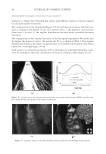
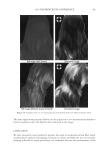
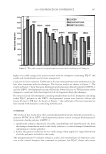
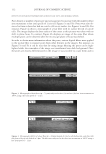
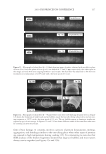
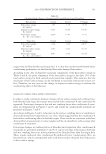
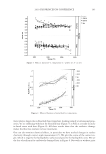
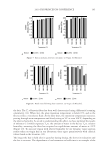
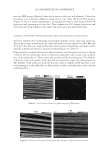
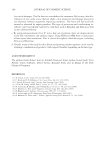
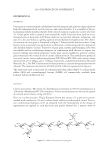
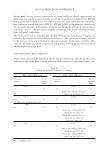
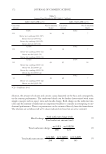
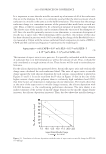
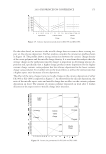
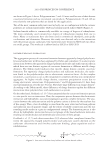
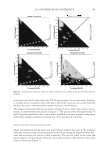
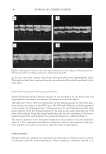
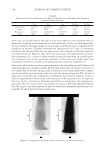
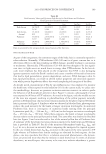
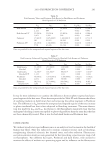
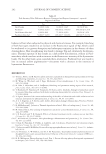
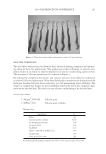
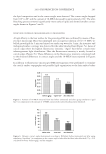
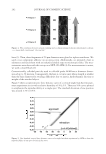
2010 TRI/PRINCETON CONFERENCE 91 the image processing (~5–10s). The orientation image is then visualized. Different tools allow statistical analysis in regions of interest (ROI) in the image. The resolution of our imaging system permits to discriminate a single hair fi ber, i.e. one pixel corresponds to approximately 80–100 micron on the hair fi ber plane. This will al- low our simple model to be valid. EXPERIMENTAL VALIDATION OF THE CONCEPT We proceed to two basic experiments to validate the concept of the measurement: Birefringence measurement (extraction of the sinusoidal signal over a region of interest • and measurement of the angle of orientation) Evaluation of the angle measurement precision • Figure 8. (a) Intensity images in the visible spectrum for tresses of various shades (from left to right: black, dark brown, medium brown, dark brown with red dye, blond, bleached, grey 10%–90%). (b) Corresponding images in the NIR region.
Purchased for the exclusive use of nofirst nolast (unknown)
From: SCC Media Library & Resource Center (library.scconline.org)