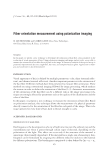
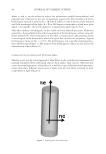
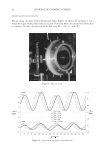
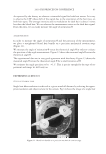
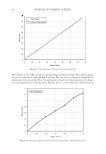
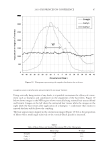
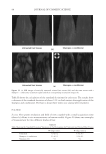
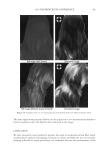
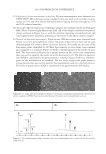
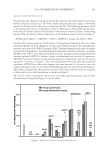
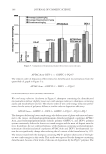
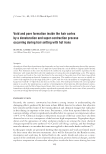
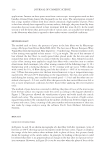
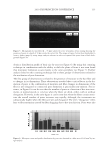
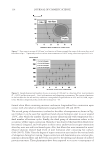
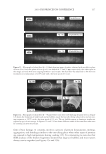
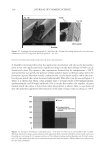
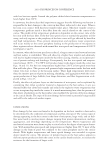
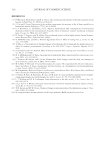
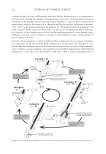
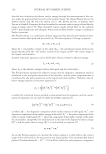
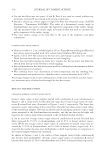
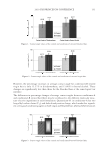
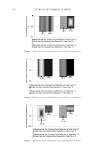
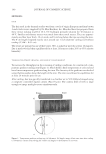
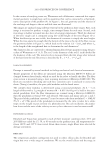
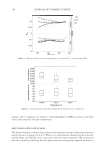
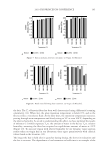
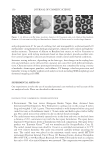
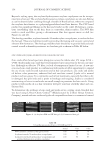
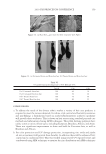
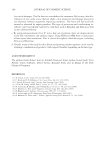
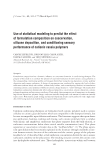
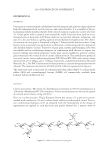
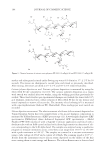
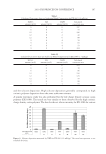
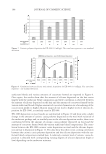
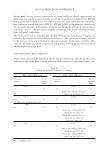
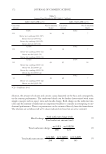
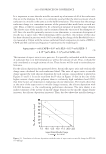
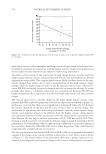
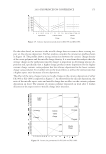
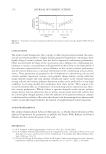
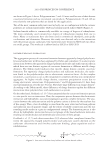
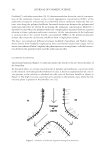
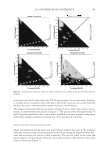
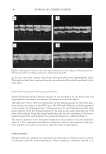
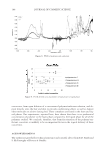
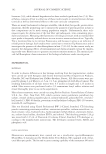
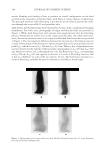
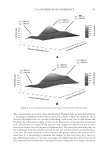
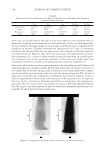
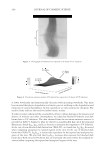
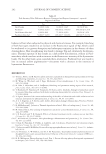
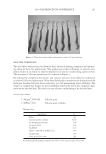
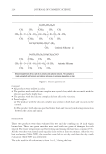
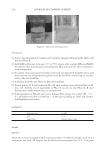
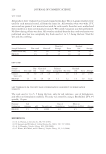
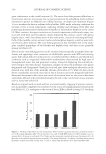
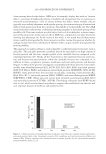
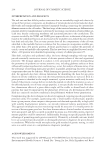
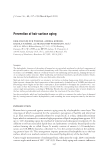
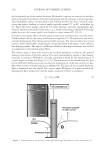
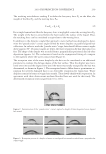
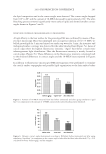
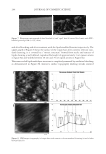
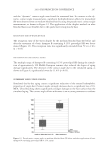
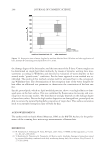
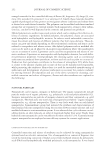
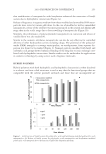
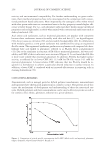
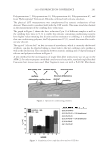
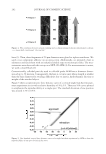
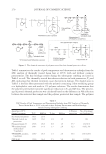
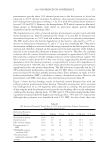
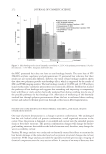
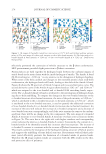
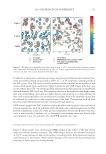
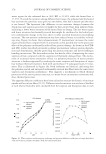
JOURNAL OF COSMETIC SCIENCE 92 Figure 9. Photo of set-up. Figure 10. Signal versus the angle of the polarizer ϕ. BIREFRINGENCE MEASUREMENT We are using two hair tresses (blond and dark). Figure 10 shows the intensity I (a.u.) versus the angle of the polarizer ϕ, in a region of interest where the orientation of the hair is constant, for three orientations of the hair tress (θ = −10°, 0°, and 10°).

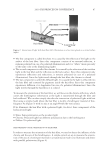
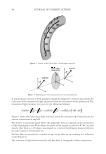
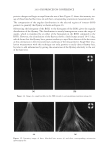
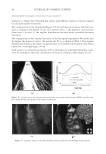
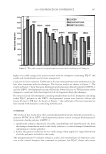
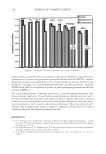
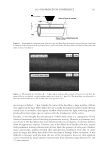
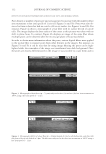
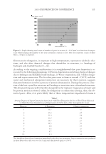
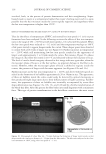
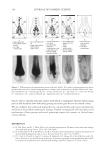
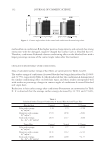
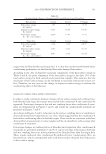
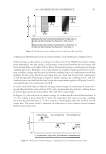
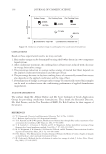
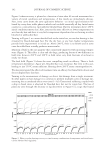
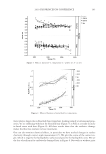
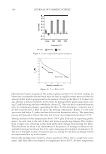
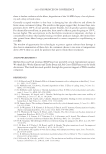
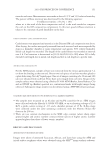
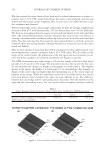
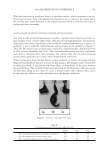
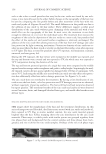
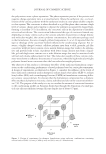
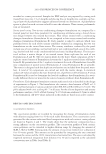
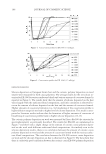
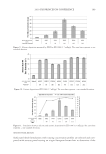
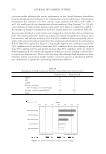
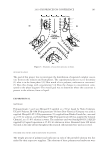
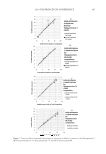
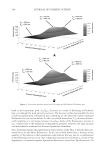
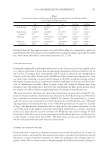
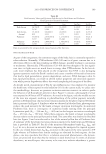
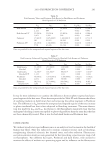
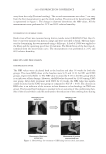
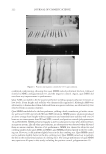
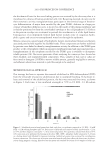
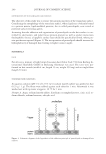
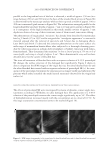
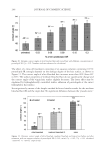
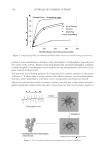
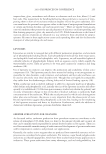
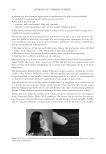
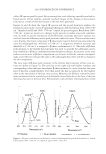
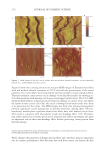
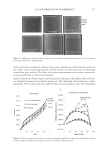
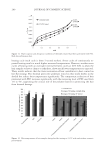
2010 TRI/PRINCETON CONFERENCE 93 As expected by the theory, we observe a sinusoidal signal for both hair tresses. It is easy to observe the ±10° phase shift of the signal due to the orientation of the hair tress, on both hair types. The average intensity and its modulation for dark hair is about 3 times less than the blond hair. We can observe the measurement noise on the dark hair signal. From this data, we can easily measure the angle of orientation θ. ANGLE PRECISION In order to measure the angle of orientation θ and the precision of the measurement, we place a straightened blond hair bundle on a precision mechanical rotation stage (Figure 11). We measure the angle of orientation θ versus the theoretical angle θ in order to evaluate the precision of the angle measurement. Figure 12 shows the measured angle θ versus the theoretical angle θ. The experimental data are in very good agreement with the theory. Figure 13 shows the measured angle θ versus the theoretical angle θ for a small variation of θ. We estimate the angle precision to be +-0.1°. This is precise enough for the type of ex- periment and image we will carry on. EXPERIMENTAL RESULTS STUDY OF FLYAWAY HAIR Single hair fi ber resolution is achieved at a given stand-off distance by selecting the appro- priate resolution and objective lens for the camera. Fig 14 shows the image of a single hair Figure 11. Blond hair bundle on a precision mechanical rotation stage.
Purchased for the exclusive use of nofirst nolast (unknown)
From: SCC Media Library & Resource Center (library.scconline.org)