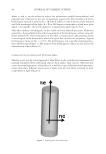
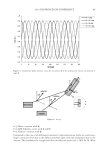
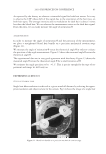
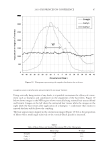
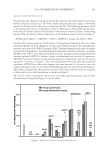
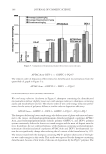
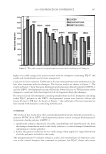
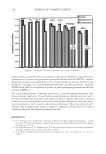
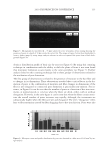
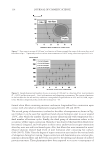
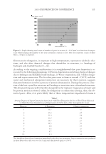
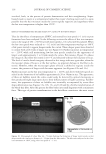
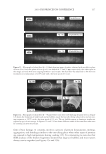
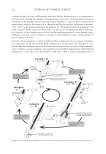
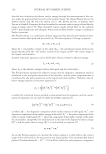
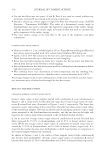
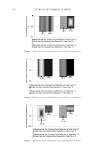
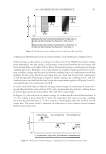
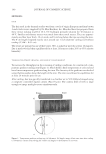
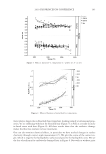
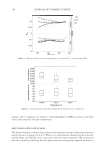
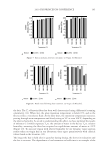
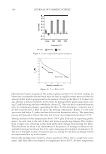
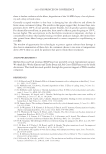
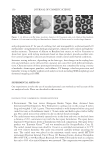
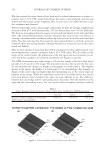
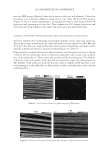
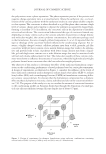
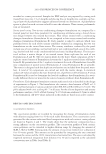
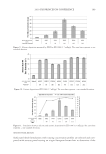
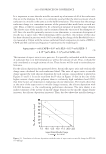
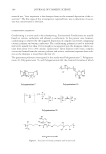
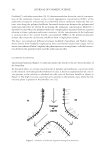
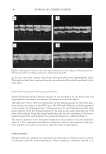
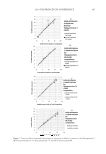
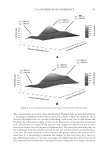
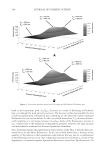
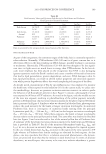
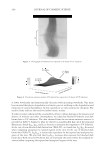
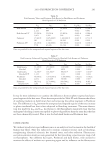
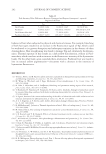
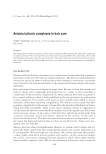
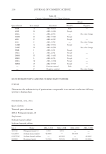
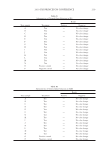
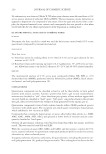
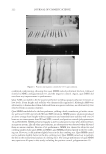
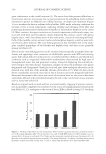
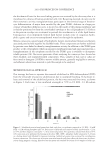
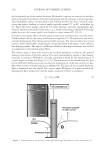
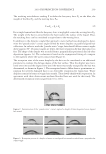
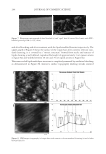
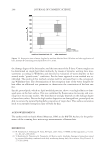
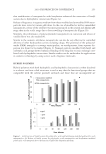
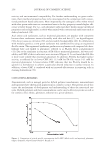
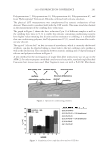
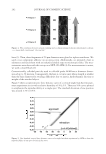
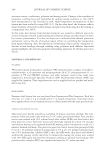
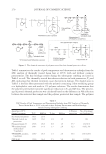
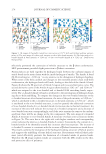
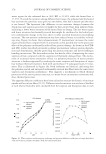
JOURNAL OF COSMETIC SCIENCE 162 the polycations cause a phase separation. The phase separation persists if the positive and negative charge equivalent ratio is at stoechiometry. Above the surfactant cmc, co-micel- lization of the cationic polymer with the surfactant results in a one-phase soluble complex or clear system. The coacervate is often described as a gel-like phase that contains a high level of cationic charge and is known to deposit the polymer on negatively charged hair, forming a clear fi lm (3-5). In addition, the coacervate aids in the deposition of insoluble actives such as silicone. The coacervation behavior and the type of coacervate formed vary depending on many criteria such as the cationic polymer characteristics (charge density and molecular weight), the cationic polymer concentration, the surfactant package used in the formulation, the ionic strength, pH and temperature. Li et al. (6) reported that the type or rheology of the coacervate formed infl uences the conditioning response. For in- stance, a highly charged cationic cellulose polymer may form a solid, granular, gel-like coacervate with low water content over a narrow dilution range that tends to be substan- tive and provide body to hair. A polymer with lower charge density may form a liquid- like gel with high water content over a wide dilution range that may be associated with soft feel and volume enhancement for hair. The molecular weights of these cationic poly- mers were shown to infl uence the amounts of coacervate, where the high molecular weight polymers formed more coacervate than the low molecular weight polymers. The objective of this study is to determine the effect of the surfactant formulation compo- sition on the conditioning performance of novel polymers based on cassia galactomannans. A design of experiments, as illustrated in Figure 1, considers the infl uence of the levels of three surfactants commonly used in shampoos sodium lauryl ether sulfate (SLES-3), sodium lauryl sulfate (SLS), and cocamidopropyl betaine (CAPB) in formulations containing differ- ent cationic cassia polymers. It is known that the formulation composition has a dramatic effect on physical properties (viscosity, clarity, turbidity) and also on the coacervation behav- ior (7,8). The purpose of this study is to try to correlate the amount of coacervate formation to the conditioning profi les on European brown hair through the deposition of a small par- ticle size silicone emulsion (average silicone droplet size of about 0.5 μm). Figure 1. Design of experiments for shampoo formulations using surfactant combinations containing various levels of SLES-3 (x axis), CAPB (y axis) and SLS (z axis) (12 formulations).

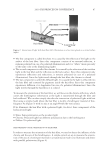
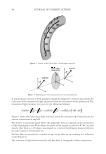
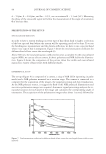
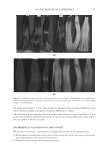
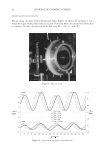
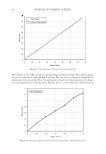
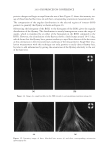
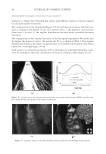
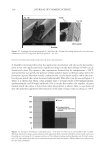
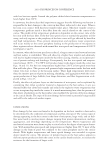
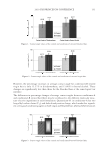
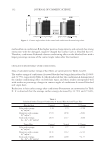
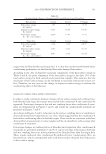
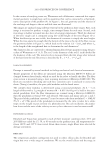
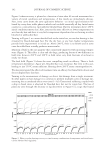
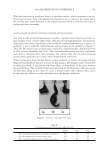
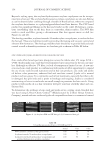
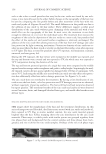
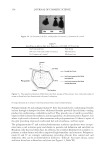
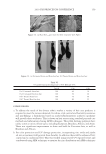
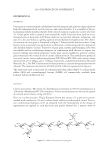
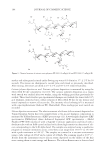
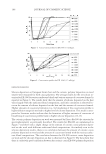
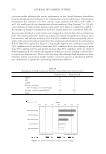
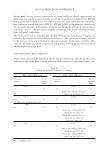
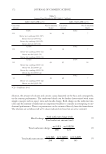
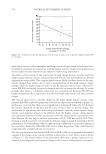
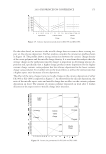
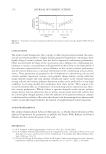
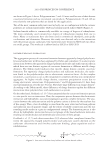
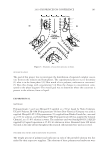
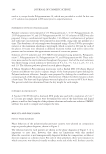
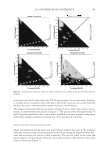
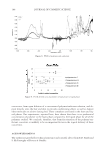
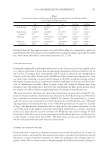
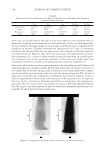
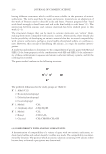
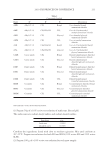
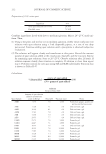
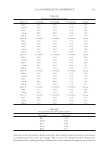
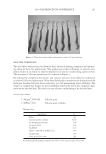
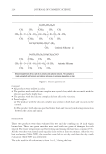
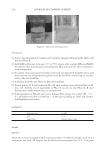
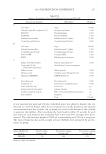
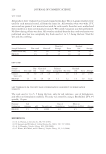
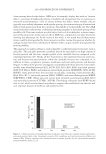
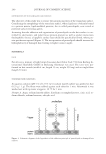
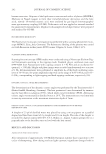
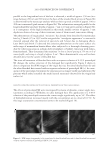
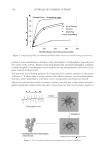
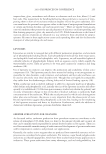
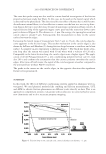
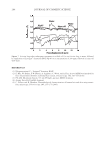
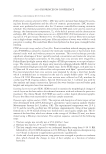
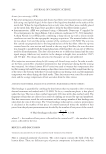
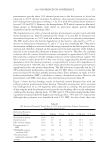
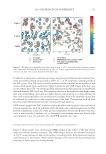
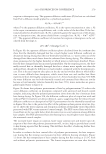
2010 TRI/PRINCETON CONFERENCE 163 EXPERIMENTAL MATERIALS Cassia gum is a natural vegetal carbohydrate based on mannose and galactose sugars extracted from the endosperm of the seed of cassia tora and cassia obtusifolia. It is a member of the ga- lactomannan family of polysaccharides with a ratio of mannose to galactose content of at least 5:1. Cassia grows wild in tropical zones around the world. Cassia has been used for over a thousand years in Ayurvedic and Chinese medicine to treat skin ailments, indigestion, and pain. It is also used today as a gelling agent in pet and human food applications. The chemi- cal structure of cassia gum is illustrated in Figure 2. Polysaccharide derivatives have a long history of use in personal care applications as thickeners, conditioning polymers, deposition aids and fi lm formers. Cationic derivatives of guar gum, another galactomannan, have been successfully used in conditioning shampoos in combination with silicones to impart im- proved combing and sensory properties. Cassia gum can be modifi ed to generate cationic galactomannans with various levels of cationic substitution (9). That modifi cation produced two novel cationic cassia conditioning polymers, EX-906 and EX-1086, with cationic charge density levels of 3.0 mEq/g, and 1.7 mEq/g, respectively, available from Lubrizol Advanced Materials, Inc.). The INCI classifi cation for these polymers is cassia hydroxypropyltrimonium chloride. The chemical structures for EX-906 and EX-1086 are represented in Figure 3. The surfactants used in this study are sodium lauryl ether sulfate (SLES-3), sodium lauryl sulfate (SLS) and cocamidopropyl betaine (CAPB), all commercially available from Lubrizol Advanced Materials, Inc. METHODS Clarity measurements. The clarity of a formulation is measured in %T (% transmittance) at 420 nm by a Brinkmann PC 920 colorimeter. Clarity measurements are referenced against de-ionized water (clarity rating of 100%). Hair tress washing procedure. Virgin European brown hair tresses (2.5 g per tress) are pre- washed with a surfactant (10 wt% sodium lauryl sulfate) and thoroughly rinsed. Two-in- one conditioning shampoos (0.25 g) prepared with the formulations of the design of experiments are applied to each hair tress and gently lathered for 1 minute with 40 Figure 2. Chemical structure of cassia gum.
Purchased for the exclusive use of nofirst nolast (unknown)
From: SCC Media Library & Resource Center (library.scconline.org)