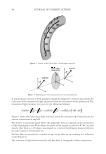
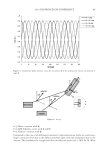
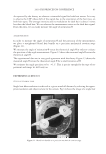
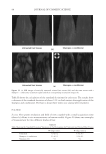
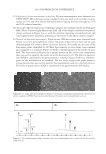
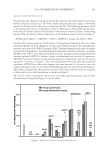
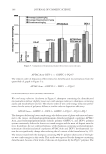
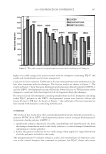
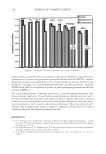
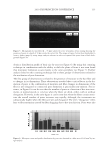
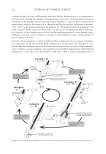
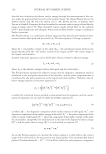
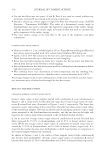
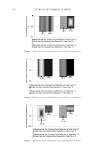
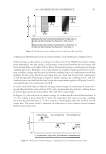
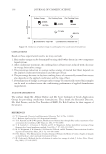
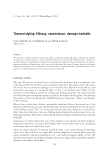
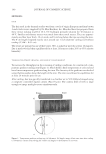
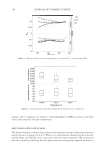
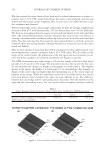
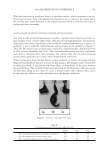
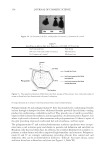
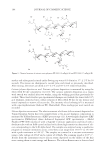
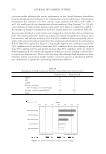
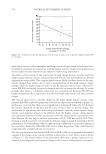
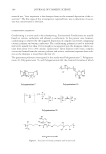
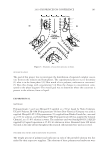
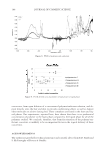
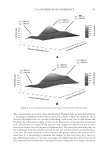
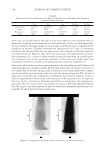
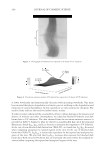
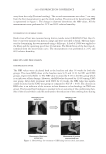
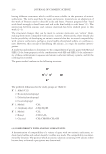
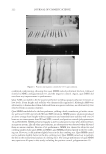
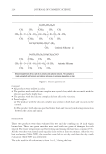
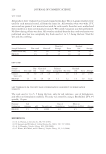
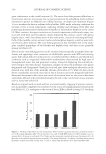
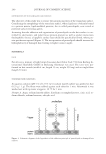
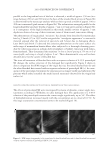
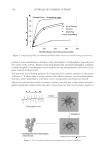
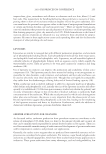
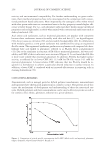
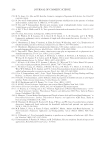
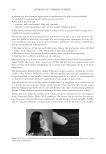
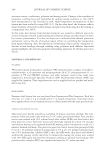
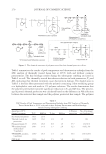
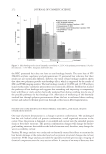
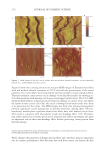
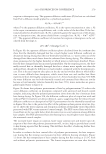
JOURNAL OF COSMETIC SCIENCE 164 strokes and subsequently rinsed under fl owing tap water (6.0 l/min) at 37° ± 2°C for 30 seconds. The tresses are shampooed a second time and rinsed as previously described. After rinsing, the tresses are dried at 23° ± 1°C and 50° ± 5% relative humidity. Cationic polymer deposition on wool. Cationic polymer deposition is measured by using the Direct Red 80 dye colorimetric test (10). The cationic polymer deposition on a virgin wool swatch was studied after two washes, using the washing procedure previously de- scribed. Three wool swatches per experimental shampoo are washed two times with 0.25 g of shampoo, immersed into a dilute solution of Direct Red 80 dye for one minute and rinsed copiously to remove all excess dye. The intensity of red coloring (a*) is measured with a spectrophotometer (Labscan XE, HunterLab). Three readings per wool swatch are recorded. Silicone deposition measurement. The relative amount of silicone (silicon atoms) deposited on Virgin European brown hair tress samples from a two-in-one shampoo composition is measured by X-Ray fl uorescence (XRF) spectroscopy (11). A wavelength dispersive XRF spectrometer (PANalytical Axios Advanced Sequential 4kW spectrometer – Model Number PW4400) interfaced with a SuperQ 4 software application and fi tted with a rhodium tube with an InSb crystal utilized to facilitate high sensitivity detection of sili- con corresponding to the Si K alpha band. The samples are analyzed using a qualitative program to measure intensities across a two-theta scan range from 139.75° to 147.99° with a peak maximum at 144.53°. The samples are scanned in a vacuum environment using a tube voltage of 25 kV and a current of 160mA. The scanning speed is 0.05°.s−1. X-rays from the instrument excite silicon atoms deposited on the surface of the hair tress causing them to emit energy and fl uoresce. The silicon fl uorescence is detected and Figure 3. Chemical structure of cationic cassia polymers EX-906 (3.0 mEq/g) (A) and EX-1086 (1.7 mEq/g) (B).

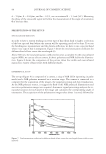
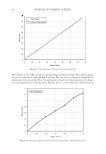
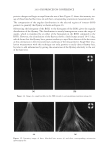
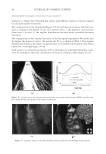
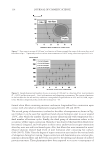
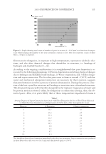
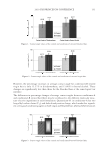
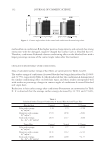
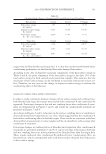
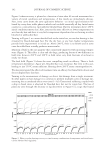
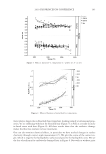
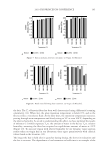
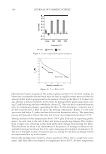
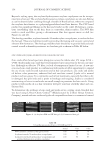
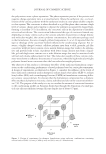
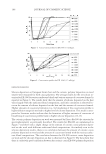
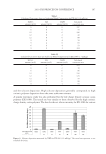
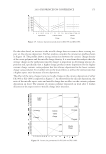
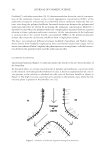
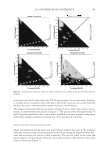
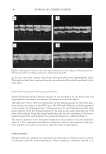
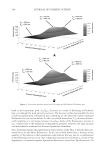
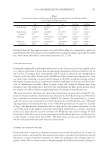
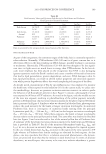
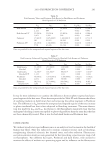
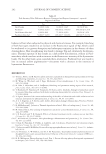
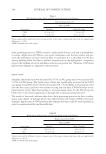
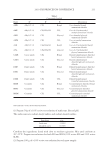
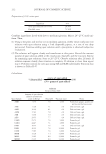
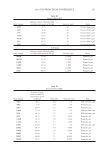
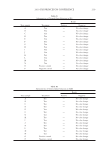
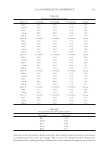
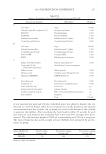
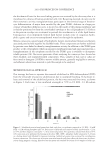
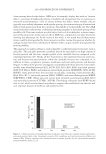
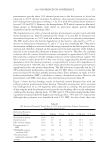
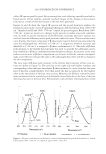
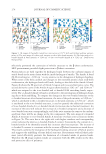
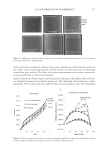
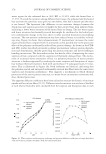
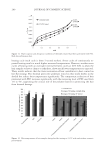
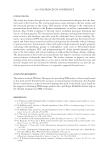
2010 TRI/PRINCETON CONFERENCE 165 recorded as counts per second. Samples for XRF analysis are prepared by cutting each treated hair tress into 1.5-cm lengths and placing the cut lengths into a sample cup hav- ing a 6-μm thick polyethylene support substrate formed into the bottom. A polyethylene spacer is placed on each cut tress to hold it onto the substrate. Three tresses per formula- tion are measured. Sensory panel testing. Two-in-one conditioning shampoo formulations are compared by a trained panel (at least three panelists) for conditioning attributes using a forced choice test design between two treated hair tresses. Hair tresses treated with a conditioning shampoo formulation (Formulation A) are compared to hair tresses treated with another shampoo formulation (Formulation B). Each panelist is asked to indicate which tress performs better for each of fi ve sensory attributes evaluated in comparing the two test formulations on the treated hair tresses. The sensory attributes evaluated by the panel include ease of wet combing, wet feel (soft feel or wet conditioned feel), ease of dry comb- ing, dry feel (soft feel or dry conditioned feel) and static buildup (fl yaway). The test pro- tocol utilizes a matrix design of six treated tresses (three replicates for each of test Formulations A and B). The test matrix allows for the direct blind comparison of the 3 replicate treated tresses of Formulation A versus the 3 replicate treated tresses of Formu- lation B. By permutation of the 3 replicate treatments for each of Formulations A and B, nine comparisons of paired tresses (Formulation A versus Formulation B) are possible. The matrix is designed such that duplicate evaluations are included from the panel mem- bers. A total of 36 comparisons are carried out with the matrix design. A statistical analysis (Z-value calculation by exact binomial test, of preference of Formulation A versus Formulation B) is used to determine the level of confi dence that Formulation A is statis- tically different (better or worse for the selected sensory attribute) from Formulation B. Formulations. Each shampoo formulation contains surfactant levels as described in the design of experiments in Figure 1. The formulations also contain a fi xed amount of NaCl at 1.0 wt% and fi xed amount of cationic polymer (either EX-906 or EX-1086) at 0.25 wt%. The pH is adjusted with citric acid to pH =7 in all cases. For the silicone deposition and sensory performance analyses, 2 wt% of Dow Corning® 2-1352 silicone emulsion (0.5 μm) is added to the formulation. All wt% values indicated in this study are based on an active content. RESULTS AND DISCUSSION COACERVATION PROFILES The coacervation profi les are recorded by measuring the change of formulation clarity with dilution ranging from 0 to 30 for each stable formulation. The coacervation curves generated for the various surfactant blend compositions with each cationic cassia polymer are found in Figures 4 and 5. The results show that the surfactant composition has a strong infl uence on the coacervation profi les. The coacervation profi les of both cationic cassia polymers can be extended to higher dilution range by changing the amount of SLES-3, SLS or CAPB. Consequently, the amount of coacervate formed over a dilution of 0 to 30 varies greatly. This amount can be quantifi ed by integrating the area contained between the curves and the 100% transmittance horizontal line. The area is calculated by trapezoid numerical integration from dilution 0 to 30 and is reported as the calculated coacervation area in Table I and Table II.
Purchased for the exclusive use of nofirst nolast (unknown)
From: SCC Media Library & Resource Center (library.scconline.org)