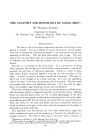
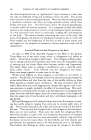
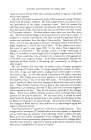
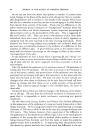
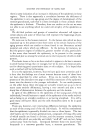
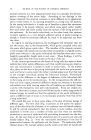
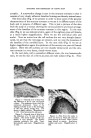
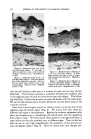
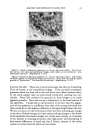
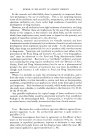
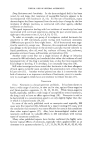
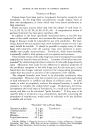
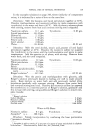
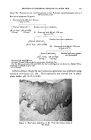
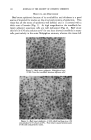
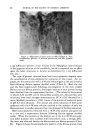
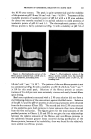
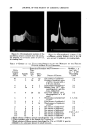
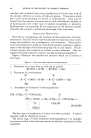
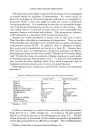
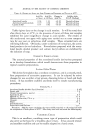
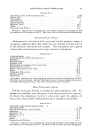
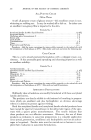
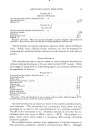
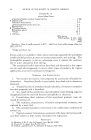
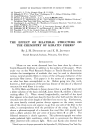
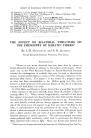
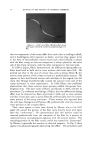
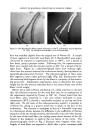
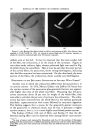
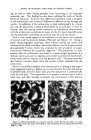
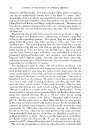
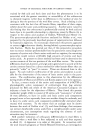
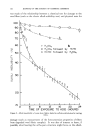
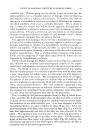
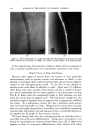
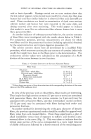
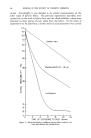
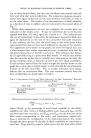
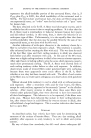
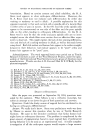
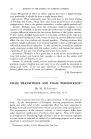
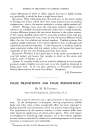
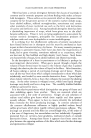
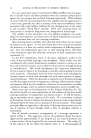
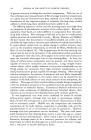
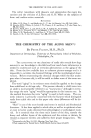
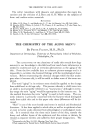
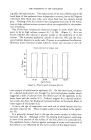
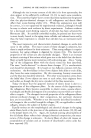
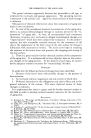
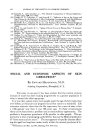
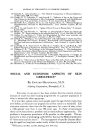
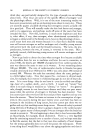
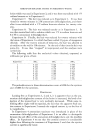
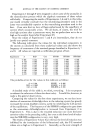
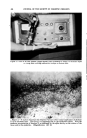
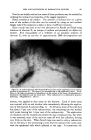
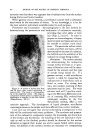
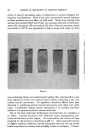
308 JOURNAL OF THE SOCIETY OF COSMETIC CHEMISTS stratum corneum is a very important layer since it is actually the dry pro- tective covering of the entire body. According to our findings in the human material this stratum corneum is quite different in its appearance and to some extent in its staining properties in young and old persons. In the young individuals it is made up of lamellae or plate-like structures which seem to be loosely adherent and which come apart rather readily from each other and fairly readily from the surface of the living portion of the epidermis. In the senile individuals, on the other hand, this stratum corneum appears as a very densely adherent group of plates looking as though it would be extremely difficult for them to be separated one from the other. In regard to staining properties, the histologists will remember that we use two stains, that is, the hematoxylin, which gives a purplish color, and the eosin, which gives a pink color. The lamellae of the stratum corneum in the younger individuals tend to take either a basophilic or a lightly eosino- philic stain whereas in the senile individuals the lamellae often take a very brightly eosinophilic, bright pink or red, stain. These findings, it will be recalled, agree well with those made on the skin of the rat. In the stratum germinativum the layers of living cells also seem to show definite but rather subtle differences, such that careful microscopic observa- tion and concentration is needed in order to notice them. In the human skin, then, we find that in the young individuals the nuclei are quite promi- nent and have to some extent the rather crowded appearance that they had in the younger individuals among the laboratory animals. Particularly striking is the difference in the degree of definition of the individual cells in the young and in the senile persons. In the young persons the cell out- lines are fairly vague, somewhat difficult to make out, whereas in the senile individuals even with varying stains the cell outlines are extremely sharp and the cells themselves very well individualized. From our studies ini- tially on laboratory animals, and now followed up by a rather large series of human beings, we would say that the epidermis of the senile individual is quite a different type of tissue in its microscopic anatomy from that of the young individual. We would like now to show some slides of the skin of human beings of different ages. The first slide (Fig. 1) presents at low power the appear- ance of the skin from the abdomen of an eighteen-year-old female subject. It will be noticed immediately that the dermis is quite cellular, that the epidermis is thrown into a number of folds and that there are shelf-like extensions or masses of epidermal cells protruding downward into the der- mis. In the next slide we see the abdominal skin of a seventy-six-year-old female subject (Fig. 2). Note the remarkable smoothness of the line of demarcation between the epidermis and the dermis. The epidermis, while thinner than in the younaer subject, hardly seems to be what we would call

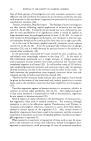
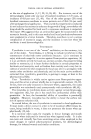
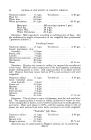
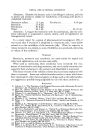
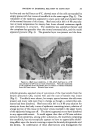
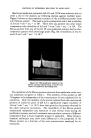
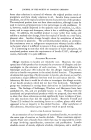
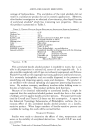
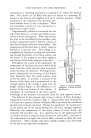
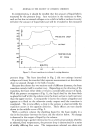
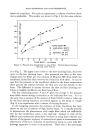
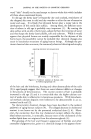
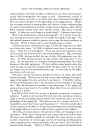
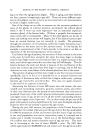
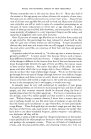
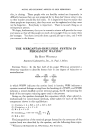
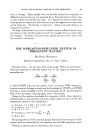
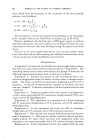
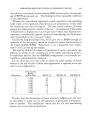
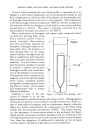
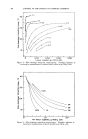
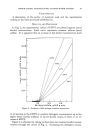
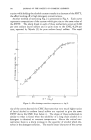
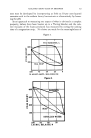
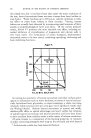
ANATOMY AND HISTOLOGY OF AGING SKIN 309 atrophic. A noteworthy change is seen in the stratum corneum in that it consists of very closely adherent lamellae forming one densely stained mass. The third slide (Fig. 3) we present in order to show some of the peculiar characteristics of the stratum corneum as we see it in different parts of the body and in persons of different ages. This is just a picture of the skin from the scalp of a woman showing the curious patterns and loose arrange- ment of the lamellae of the stratum corneum in this region. In the next slide (Fig. 4) we see abdominal skin, again of the eighteen-year-old female, at a much higher magnification. Here we see the individual cells and nuclei. Now we notice how the cell outlines are not very sharply demar- cared, we see that the rete pegs are present, and we note the looseness of the lamellae of the cornified layer. In the next slide (Fig. 5) we see at higher magnification again the epidermis of the seventy-six-year-old female subject. Here the cell outlines are very sharply demarcated and the stra- tum corneum is a very dense, closely woven mass. In the next slide, with a somewhat different stain, the iron hematoxylin stain, we see the skin of a thirty-six-year-old male subject (Fig. 6). Note Figure 1.--General view of skin from the abdomen of an 18 year old female subject. The epidermis shows shelf-like extensions downward. Some of the folding probably is due to the shrinkage of the very elastic young skin. The dermis is highly cellular. Magnification X 135. Iron hematoxylin and eosin. Figure 2.--General view of skin from the abdomen of a 76 year old female subject. The lower border of the epL dermis is very smooth. The dermis contains relatively few cells. Iron- hematoxylin and eosin. Magnification X 135. Figure 3.--Skin from the scalp, to show one form in which the stratum comeurn may be found. Here it forms large alveoli or spaces. Iron-hema- toxylin and eosin. Magnification X 540.
Purchased for the exclusive use of nofirst nolast (unknown)
From: SCC Media Library & Resource Center (library.scconline.org)