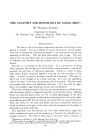
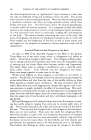
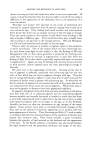
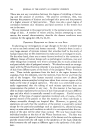
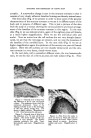
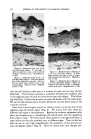
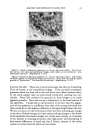
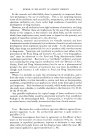
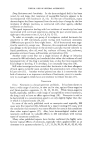
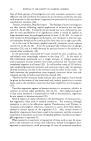
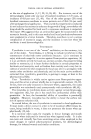
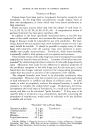
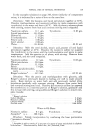
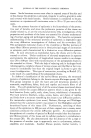
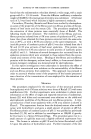
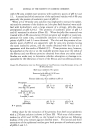
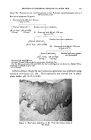
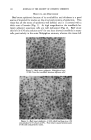
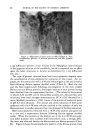
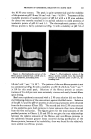
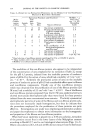
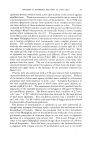
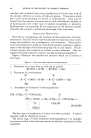
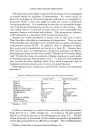
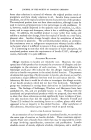
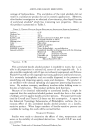
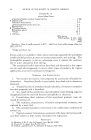
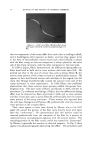
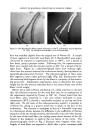
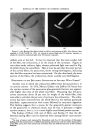
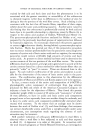
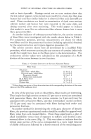
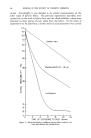
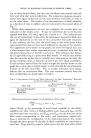
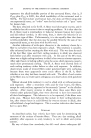
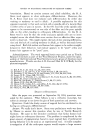
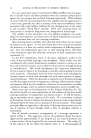
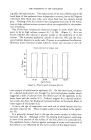
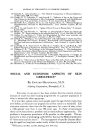
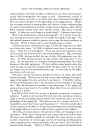
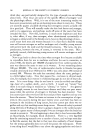
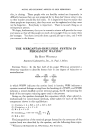
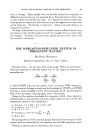
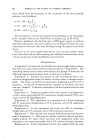
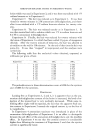
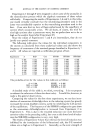
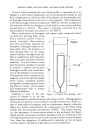
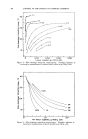
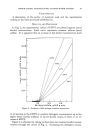
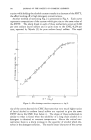
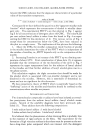
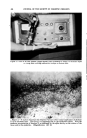
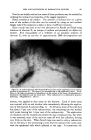
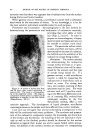
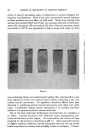
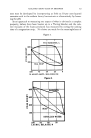
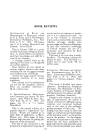
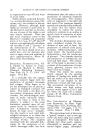
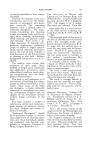
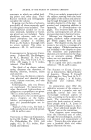
310 jOURNAL OF THE SOCIETY OF COSMETIC CHEMISTS j..: .• .•... •,..: ß : • . . ß . '.'4 • i•'.,•:!i'"•': ß • .. , ß - :•g'•g•?•..'." • •: • • -g' •" • •. :' • .• '."' 3 . -. :.. ' : ... .. : .--••:.•'•. :-- . ß 'a,,• .... ß :.:.: '.'-' •:.•.•3•::•. ...:•:,'.. :: ,..•?.:': .... •,•:•' •:• ......:---•. :,•?• •.,..........•. • "• ' ': :•:"-3,7:,:•,, .'e•,:',• , •' .., •' • .?• .' ......•...:--, •:•' •..• •.-• ..• .•q .:• • •.. -..•.•.•-:... Figure •.--Abdominal skin from an 18 year old female subject. A "fete peg" or shelf of epidermis is seen at the center of the field. •asson's stain. •agnification x 5•0. Figure 5.--Abdominal skin from a 7• year old female subject. The lower bound- ary of the epidermis is smooth. Cell out- lines are much more distinct than in the young subject. Massoh's stain. Magnifi- cation X 5•0. Figure 6.--Epidermis from abdomen of a 36 year old male subject. A fairly large number of layers of cells is shown. Iron hematoxylin and eosin. Magnifica- tion X 540. Figure 7.--Epidermis from abdomen of a 76 year old female subject. There are relatively few layers of cells. Iron hema- toxylin and eosin. Magnification X 540. that the cell outlines, while seen in a number of cases, are not very sharply delimited. The stratum corneum is somewhat between the condition seen in the eighteen-year-old and the seventy-six-year-old subject. The follow- ing slide (Fig. 7) shows the seventy-six-year-old female with this same stain. We see the cell outlines more sharply delineated and the dense mass of the stratum corneum. Next with a much higher power for cellular detail, we see the skin of the eighteen-year-old female again (Fig. 8). We notice here that there are different cell types in the epidermis. Besides the ordinary epidermal cells, there are lymphocytes or wandering cells which enter into the epidermis from time to time. We have found these present at all ages and there is some indication that the numbers vary at different ages. Next, in the last slide we see at very high magnification the epidermis of the seventy-six- year-old female subject (Fig. 9). Here we notice how very sharply out-

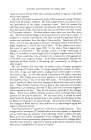
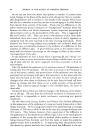
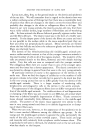
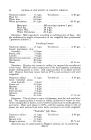
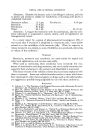
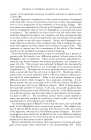
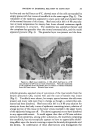
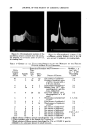
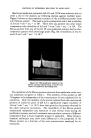
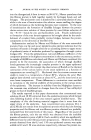
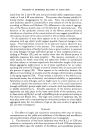
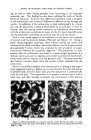
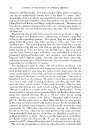
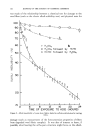
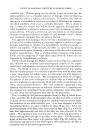
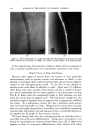
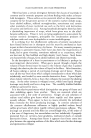
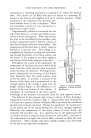
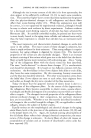
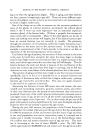
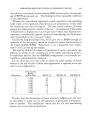
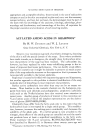
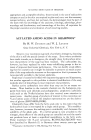
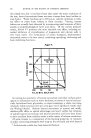
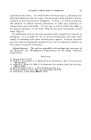
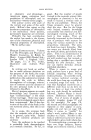
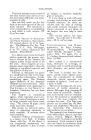
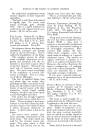
ANATOMY AND HISTOLOGY OF AGING SKIN 311 Figure 8.--Detail of abdominal epidermis of an 18 year old female subject. The cell out- lines are not very sharp and intercellular bridges, while visible, are not prominent. Iron- hematoxylin and eosin. Magnification X 1215. Figure 9.--Detail of abdominal epidermis of a 76 year old female subject. Cell outlines are clearly defined and intercellular bridges are prominent. These show very well the central granules or "desmosomes." Iron hematoxylin and eosin. Magnification X 1215. lined are the cells. These tiny structures between the cells are interesting. They are known as the intercellular bridges. They are small cytoplasmic processes which run from cell to cell and which carry fibers between them. In the senile subject they are particularly prominent, standing out very sharply. Pease (20) considers the granules on these bridges to be really pigment granules. Here also we see a lymphocyte in the basal portion of the epidermis. I would like to call attention to the fact that the appear- ance of this epidermis is so different from that of the young individual that there. would be not the slightest difficulty in distinguishing between the two. We are, of course, not the only persons who have been studying age changes in the skin of human beings, but these rather striking changes in the details of the epidermis have been brought out a little more sharply to us because of our interest in studying structures with high power and attempting to find minute differences of detail and also, I believe, because of the earlier studies on animal material which we have made.
Purchased for the exclusive use of nofirst nolast (unknown)
From: SCC Media Library & Resource Center (library.scconline.org)