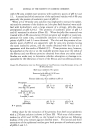
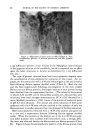
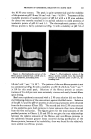
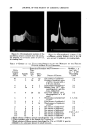
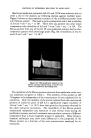
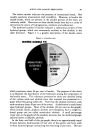
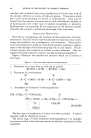
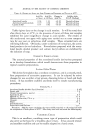
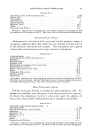
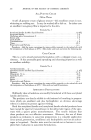
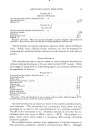
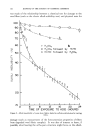
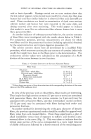
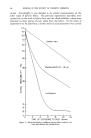
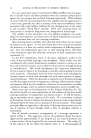
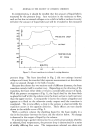
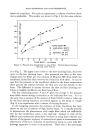
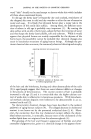
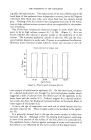
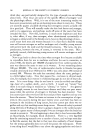
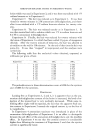
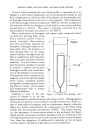
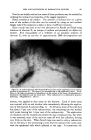
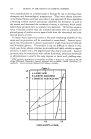
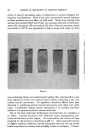
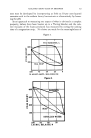
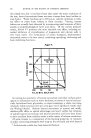
ACETYLATED LANOLIN DERIVATIVES 345 The iodine number indicates the presence of unsaturated bonds. One usually associates unsaturation with instability. However, in lanolin the double bonds, which are present in the alcohol portion of the ester, are relatively stable. Reactions on these double bonds have led to a series of derivatives by means of hydrogenation, oxidation and sulfonation. The hydroxyl number of lanolin indicates a substantial content of free hydroxyl groups, which was erroneously ascribed to free alcohols in the older literature. Figure 1 is a graphic description of the lanolin esters Figure 1.--Lanolin esters OIHYDRIC ALCOHOLS 5% which constitute about 96 per cent of lanolin. The purpose of this chart is to illustrate the distribution of the hydroxyls among the components of the lanolin esters. This schematic presentation omits any detailed listing of the various acids and alcohols since that material was presented in a paper before this group earlier (4). Note that the alcohols and fatty acids each constitute about 50 per cent of the esters. A subdivision is made based upon hydroxyl groups. Most of the alcohols (45 per cent on the graph), which include steroIs, aliphatic alcohols and triterpenes, have a single hy- droxyl group and are called rnonohydric alcohols. A small percentage (5 per cent on the graph) of the alcohols, however, has two hydroxyl groups and are known as dihydric alcohols. In the fatty acid half of this pie graph, there is an approximately equal division between hydroxyacids (25 per cent of the esters) and fatty acids without hydroxyl groups (comprising the remaining 25 per cent). One can

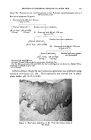
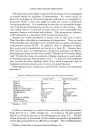
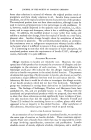
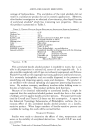
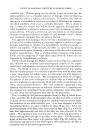
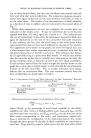
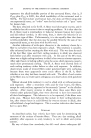
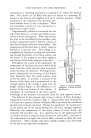
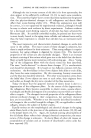
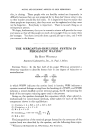
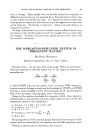
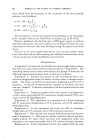
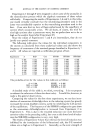
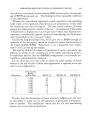
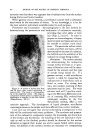
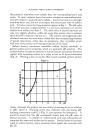
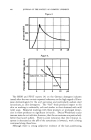
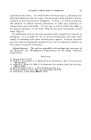
346 JOURNAL OF THE SOCIETY OF COSMETIC CHEMISTS calculate with analytical data, that esterification of all the acids with all the alcohols will leave an excess of hydroxyl groups. Those esters which have a free hydroxyl group are known as hydroxyesters. They may be formed from the reaction of normal and iso acids with dihydric alcohols, or of hydroxyacids with either type of alcohol (monohydric or dihydric). Hydroxyesters are responsible for the major part of the hydroxyl number of lanolin and comprise a substantial percentage of the total esters. ACETYLATED DERIVATIVES With this as a background, the synthesis of those derivatives of the hy- droxyesters of lanolin which could theoretically be expected to have inter- esting characteristics was investigated in our laboratory. These deriva- tives were prepared by acylation of the hydroxyestdrs, resulting in replace- ment of the hydrogen of the hydroxyl group with an acyl radical. The de- rivatives possess new properties of interest to many industries. They are rapidly becoming important cosmetic and pharmaceutical ingredients. Figure 2 illustrates the esterification reactions which are of interest in this study. Figure 2.--Formation and acetylation of hydroxyesters 1. Formation of an ester from an acid and an alcohol RCOOH q- R'OH -• RCOOR' q- H,•O 2. Formation of a hydroxyester H H R--C--COOH q- R'OH -• R--C--COOR' q- H,•O I OH OH 3. Acetylation of cholesteryl a-hydroxypalmitate H I CH•--(CH,)•--C--COO(C,.7H45) H O•H• q- OCH•C -,- CHa--(CH=)•--C--COO(C,.7H45) q- I 0 I CH•CO0 I I CHaCOOH I OCH•C •, The first type is a simple ester of a fatty acid with an alcohol. A typical example would be cholesteryl stearate. The second type, of which cholesteryl hydroxypalmitate is an example, is an ester in which a free hydroxyl remains on the fatty acid portion of the compound.
Purchased for the exclusive use of nofirst nolast (unknown)
From: SCC Media Library & Resource Center (library.scconline.org)